


Modern travel has started feeling strangely rushed. People bounce between airports, sprint through museums, snap a few photos, and move on before they’ve even had time to absorb where they are. Somewhere along the way, vacations started feeling like productivity contests instead of actual rest.
That’s exactly why slow travel has become so appealing. Instead of trying to cram five cities into seven days, slow travel focuses on staying longer, moving more intentionally, and letting the journey unfold naturally. The goal stops being seeing everything and starts focusing on actually experiencing where you are.
Why slowing down changes the entire experience
There’s a huge psychological difference between constantly moving and actually settling into a place for a while. When people stay in one area for several days or even weeks, stress levels usually drop fast. There’s less pressure to optimize every hour. Fewer schedules. Fewer checklists. Less exhaustion from constantly packing, unpacking, and navigating unfamiliar places at full speed.
Some journeys inherently encourage this slower pace, inviting travelers to immerse themselves fully rather than rush through a checklist. These experiences, often pilgrimage routes or long-distance treks, prioritize the journey itself over any single destination. They foster a deeper connection to the landscape and culture, allowing for reflective moments and spontaneous interactions. Planning such a trip can feel daunting, but engaging a Camino de Santiago tour operator often simplifies the logistics of daily stages, accommodation and baggage transfers, freeing travelers to focus on the experience. This support ensures the physical demands do not overshadow the mental and spiritual rewards of the path.
Slowing down means travel starts feeling calmer. Morning coffee becomes a treat of sorts. Conversations with locals happen more naturally. Small routines develop. A destination starts feeling less like a tourist stop and more like temporary real life. That’s where many of the best travel memories come from anyway. Not the giant landmarks, but the little in-between moments.
Why RV travel fits perfectly into the slow travel mindset
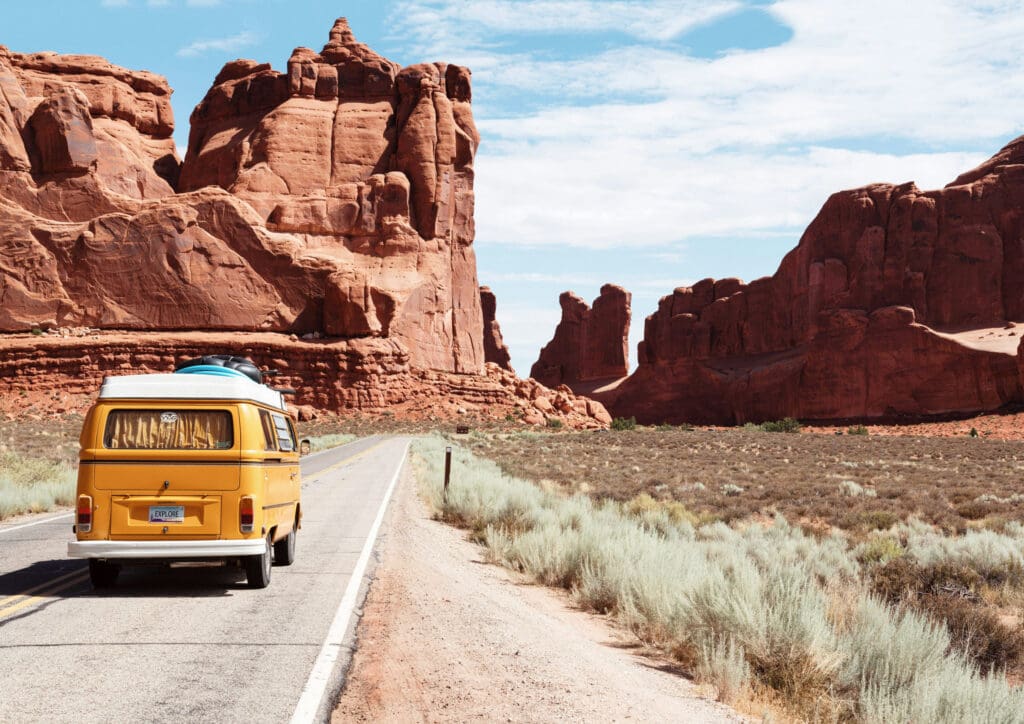
One reason RV travel has grown so much recently is because it naturally supports slower, more flexible travel rhythms. Instead of constantly changing hotels, people bring their space with them. Same kitchen. Same bed. Same coffee setup. The view outside changes, but the living space stays familiar and comfortable.
That creates a very different kind of travel experience. There’s less disruption. Less packing stress. Less mental fatigue. And surprisingly, it can also help people travel for less because longer stays often reduce accommodation costs dramatically compared to constantly booking hotels in multiple locations. Freedom matters too. Travelers can stay an extra few days somewhere beautiful without rebuilding an entire itinerary from scratch.
Campgrounds become part of the experience
A lot of people misunderstand modern RV campgrounds completely. They imagine crowded parking lots or basic overnight stops beside highways. Some campgrounds absolutely are like that. But others function almost like small communities designed specifically for slower living. Scenic lakeside campgrounds, forest retreats, mountain sites, and coastal parks encourage travelers to stay longer rather than simply passing through.
That changes the atmosphere entirely. Campfires become social spaces. Walking trails replace busy tourist schedules. Neighborly conversations happen naturally. Laundry facilities, pools, Wi-Fi access, and communal spaces make staying put for a while feel easy instead of inconvenient. The campground itself becomes part of the destination.
Why more travelers are choosing slower journeys
The biggest thing slow travel changes isn’t just the pace. It changes attention. People stop treating travel like a checklist and start treating it like an experience again. There’s more room for rest, curiosity, conversation, and flexibility. The journey stops feeling rushed and starts feeling personal.
And honestly, that’s probably why slow travel stays with people longer after they return home. Not because they saw more, but because they actually had time to feel where they were.