


You don’t go to a city to slow down. Or at least, that’s what you’ve been told. Cities are for doing, seeing everything, eating everywhere, squeezing every hour until it gives you something worth posting. But somewhere between the third rushed coffee and the fifth “must-see,” you realise something: you’re tired in a place that was meant to energise you.
Here’s the shift. A city break doesn’t have to drain you. It can restore you if you approach it differently.
Rethinking What a City Trip Should Feel Like
You don’t need to earn your rest by exhausting yourself first. That mindset? It’s the reason most city trips feel like work. Instead, think of your trip as a series of intentional moments rather than a checklist. You don’t have to visit every landmark. You don’t have to say yes to every recommendation. What you want is space, mental and physical, to actually experience where you are.
Try this: Pick one anchor activity per day. Just one. It could be a museum, a market, or even a walk through a neighborhood you’ve never heard of. Everything else becomes optional. Suddenly, your day opens up. You’re not rushing anymore. You’re noticing. And that’s where the city starts to feel different.
Choosing Spaces That Help You Recharge, Not Just Sleep
Where you pause matters just as much as where you go. Busy cities are layered with noise, traffic, people, constant movement. If you don’t consciously step out of that rhythm, it follows you everywhere. That’s why your “in-between” spaces, cafés, parks, quiet corners, are more important than you think.
Find places that soften the pace. A shaded bench. A bookstore with creaky floors. A café where no one rushes you out the door. These become your reset points, the moments that stitch calm into your day. You’re not escaping the city. You’re learning how to move through it without absorbing all its chaos.
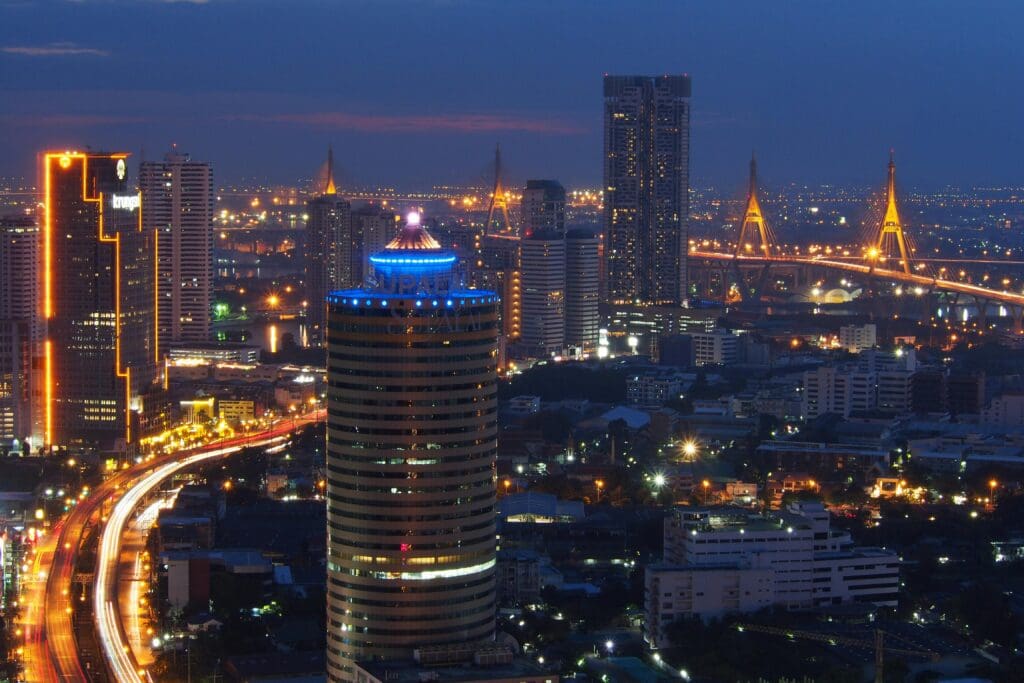
Where You Stay Shapes Your Entire Experience
You can plan perfectly and still feel drained if your base works against you. The place you stay isn’t just somewhere to crash, it sets the tone for everything. When you walk back after a long day, do you feel relief or just… more noise?
Choosing a space designed for calm makes a noticeable difference. A thoughtfully designed 5 star hotel can offer more than comfort, it gives you quiet, atmosphere, and the kind of small details that help you unwind without effort. Good lighting. Soft textures. A sense that you can actually pause. When your accommodation feels like a retreat, the city stops feeling overwhelming.
Building Quiet Into Your Itinerary on Purpose
Rest doesn’t just happen in a busy place, you have to build it in. That means scheduling nothing. Literally. Leave gaps in your day where the only plan is to see how you feel. You might end up wandering into something unexpected. Or you might sit somewhere for an hour doing absolutely nothing. Both are valid. Both are valuable. These unscheduled moments are where your mind catches up with your body. Where the trip starts to feel like yours, not something you’re racing through.
Letting Go of the Pressure To Do It All
You will miss things. Accept that early. There will always be another restaurant, another street, another hidden gem you didn’t get to. But trying to fit everything in doesn’t give you more, it dilutes what you actually experience. Instead, go deeper, not wider. Spend longer in fewer places. Return to the same café twice. Walk the same street at a different time of day. Cities reveal themselves slowly, not all at once.
When you let go of the pressure, something shifts. You stop chasing the city. You start meeting it where it is.
A Different Kind of City Experience
A restful city break isn’t about doing less for the sake of it. It’s about doing what matters in a way that feels sustainable. You move slower. You notice more. You leave feeling better than when you arrived, not like you need another holiday to recover. And once you experience a city like that, it’s hard to go back to the old way.