


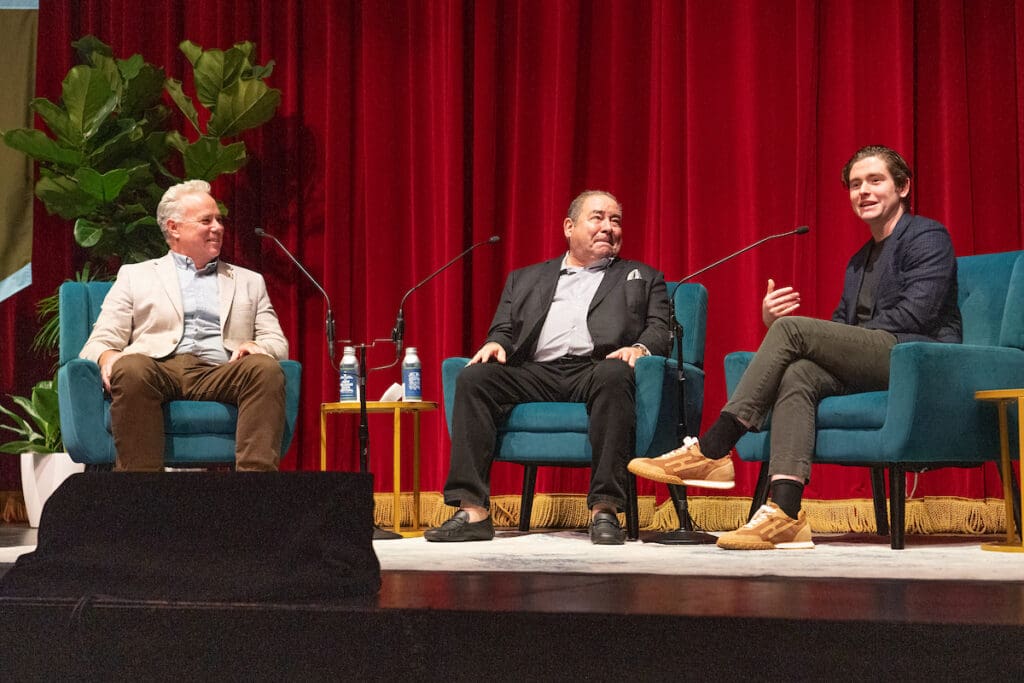
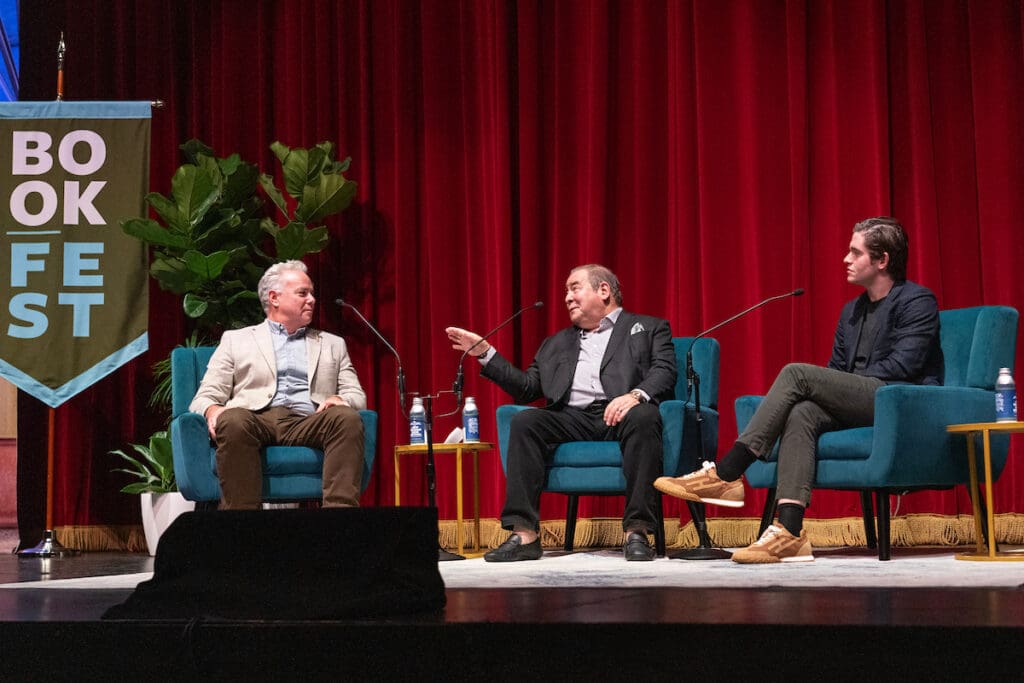
At the New Orleans Book Festival, one of the most anticipated culinary conversations of the weekend unfolded inside Dixon Hall, where legendary chef Emeril Lagasse sat alongside his son, EJ. Lagasse, for a compelling discussion on the evolution of New Orleans cuisine. Moderated by food writer Ian McNulty, the panel—titled New New Orleans Cuisine: Then & Now—offered a thoughtful look at how one of America’s most iconic food cities continues to honor its past while embracing the future.
More Than a Menu: A Full Culinary Identity
From the start, the conversation centered on a simple but powerful idea: New Orleans isn’t defined by just a handful of famous dishes—it is an entire cuisine. Unlike other cities that may be known for a signature plate, New Orleans has built a culinary identity rooted in culture, history, and technique. Emeril emphasized that understanding this cuisine begins with mastering its foundation. “You have to layer flavors,” he explained. “You have to start with the trinity”—that essential blend of onion, celery, and bell pepper that forms the backbone of countless Creole and Cajun dishes. “That’s what brings out the goodness.”

The Evolution of “New New Orleans Cuisine”
That foundation, however, is only the beginning. The discussion explored how the city’s food scene has evolved into something more global and ingredient-driven, while still maintaining its soul. Today’s chefs are blending traditional techniques with modern influences, creating what the Lagasses described as “New New Orleans cuisine”—a balance of reverence and reinvention.

Carrying the Torch: Tradition vs. Innovation
E.J. Lagasse offered a candid look at what it means to carry forward a legacy while also finding his own voice in the kitchen. One story in particular illustrated that tension perfectly. After taking creative liberties with a classic banana cream pie recipe at Emeril’s, EJ spent six months serving his updated version—until feedback from loyal diners came pouring in. Letters from customers made it clear: some traditions are sacred. Eventually, he returned the dessert to its original form, a reminder that in New Orleans, the relationship between chef and community is deeply personal.
Reinventing the Classics
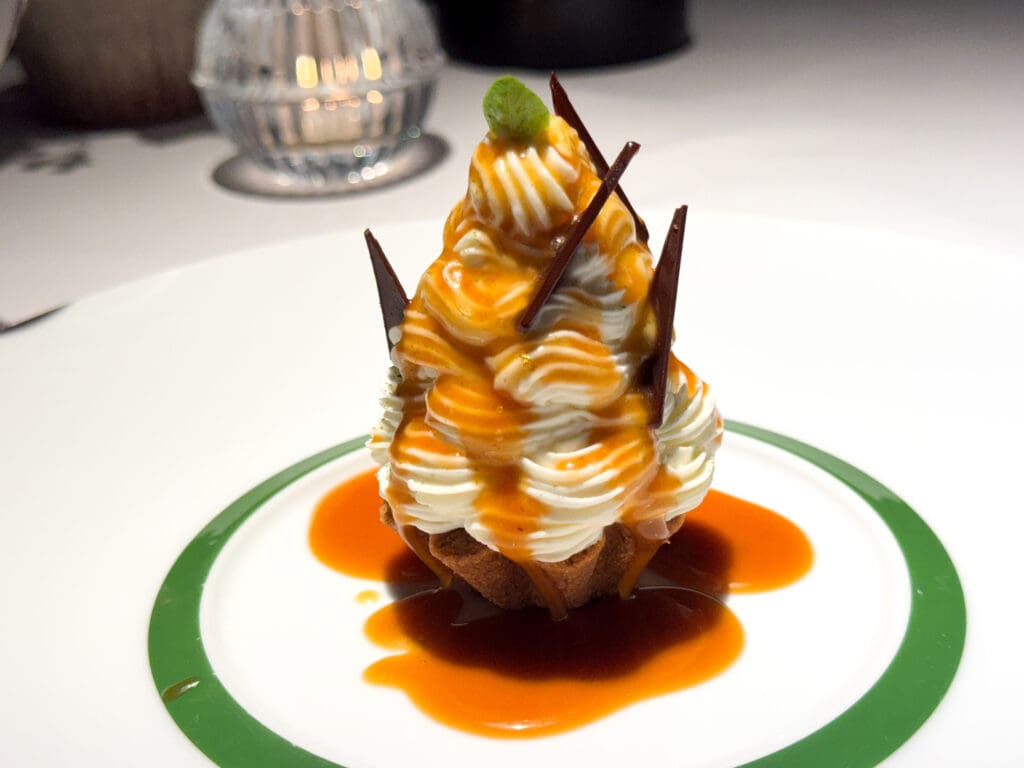
That same balance of nostalgia and innovation is reflected across the new Emeril’s restaurant’s menu with EJ at the helm. Emeril pointed to the inclusion of a SnoBall—an iconic New Orleans treat—now elevated and inspired by Hansen’s Sno-Bliz. It’s a perfect example of how something deeply local can be reimagined without losing its identity. Emeril & EJ discussed being friends with the Hanson family, but them refusing to share the Sno-Ball recipe so they had to strike a mutual deal to purchase the nectar and syrups from them. They spoke about even working behind the counter at Hanson’s with Ashley to learn the art of Sno-Ball making.
A Global Spotlight on New Orleans Dining
The conversation also touched on the broader culinary landscape, including the growing impact of global recognition. The arrival of the Michelin Guide in New Orleans has helped spotlight the city as a major food destination, boosting tourism and elevating its chefs on the world stage. But as Emeril noted, when he first started, that kind of recognition simply didn’t exist in the city. What did exist was a commitment to craft, consistency, and community—values that still define New Orleans dining today.
A Michelin-Starred Experience
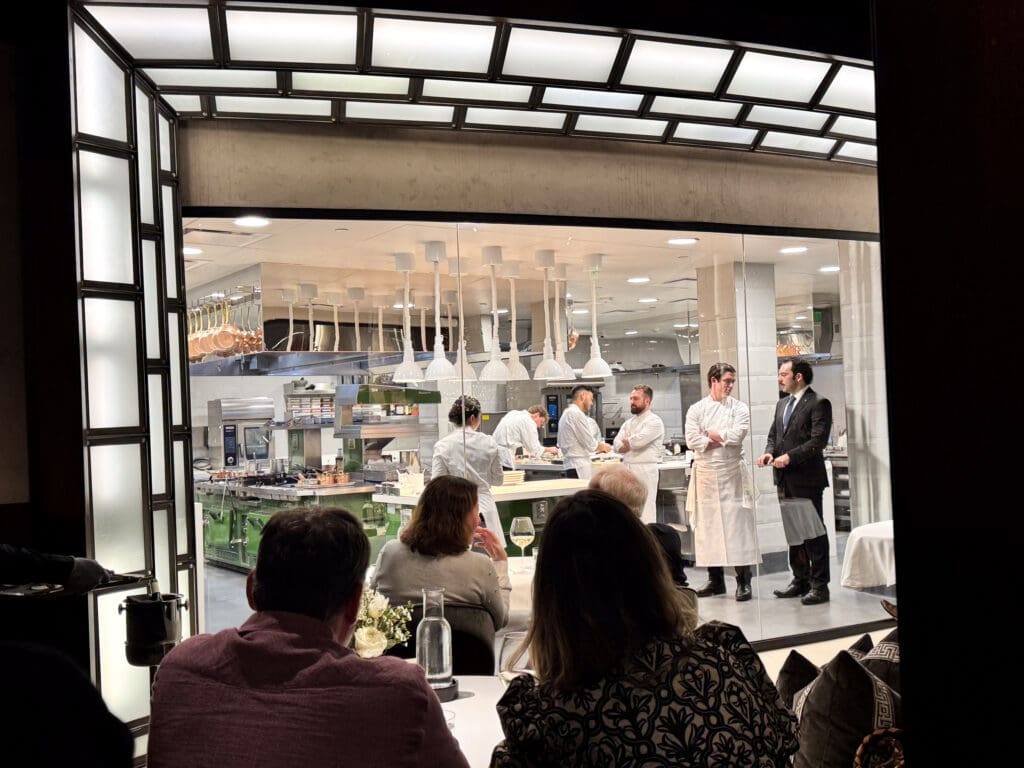
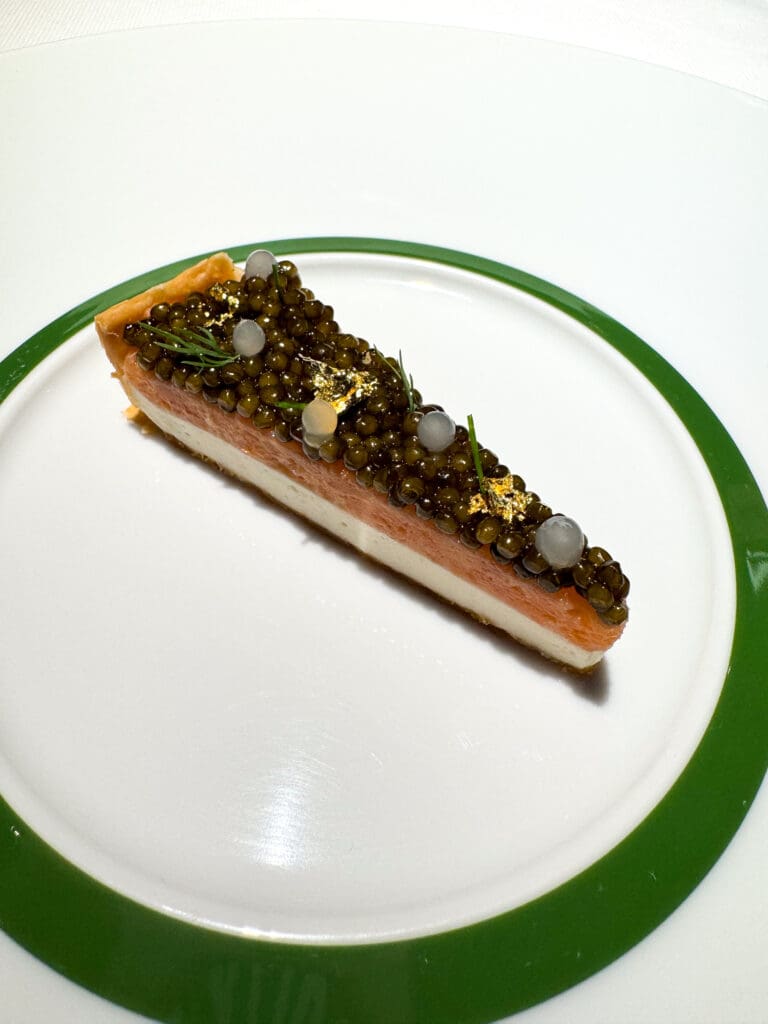
That evolution is perhaps best experienced firsthand. During a visit to Emeril’s earlier this year, the restaurant’s tasting menu—now recognized with a coveted Michelin star—offered a vivid expression of this “then and now” philosophy. The meal began with a Smoked Salmon Cheesecake topped with Petrossian caviar, a luxurious reinterpretation that set the tone for the evening. Dishes like Oyster Stew with herbsaint cream and foie gras, and Trout Almondine with green beans and potato, nodded to classic New Orleans flavors while elevating them through refined technique.
From Boudin to Wagyu: A Journey Through Flavor
As the courses progressed, the menu moved seamlessly between tradition and innovation. A rich Boudin with collard greens and ham hock paid homage to Southern roots, while a delicately prepared Cobia and Scallop dish highlighted global influences and pristine ingredients. The progression culminated in indulgent offerings like A5 Miyazaki Wagyu and a beautifully composed duck risotto, before returning to local nostalgia with a SnoBall and the famous smaller portion of the Banana Cream Pie for dessert.
Specialty wines paired with an impressive lineup of wines—from Krug Champagne to Rhône Valley reds and a Madeira to finish—the experience underscored the restaurant’s place at the intersection of New Orleans tradition and global fine dining.
A Living, Breathing Cuisine
Back at Dixon Hall, the Lagasses made it clear that this evolution is ongoing. New Orleans cuisine isn’t static—it’s a living, breathing expression of the city itself. It changes with each generation, each new chef, and each reinterpretation of its storied dishes. But at its core, it remains rooted in something deeper than technique: a sense of place, a respect for history, and a commitment to flavor.
The Future of New Orleans Food
As the conversation wrapped, one thing was certain: the future of New Orleans cuisine is in good hands. With chefs like EJ Lagasse building on the foundation laid by those before him, the city’s culinary story continues to unfold—one dish, one idea, and one generation at a time.