


The 2026 New Orleans Book Festival at Tulane University opened with a packed house inside McAlister Auditorium, setting the tone for a weekend dedicated to ideas, storytelling, and lively debate. What began only a few years ago has quickly become one of the city’s most anticipated intellectual gatherings—so much so that Michael A. Fitts, president of Tulane University, famously dubbed the festival “Mardi Gras for the Mind” after its inaugural year.
The evening kicked off with welcoming remarks from former New Orleans First Lady and festival co-chair Cheryl Landrieu, who greeted the enthusiastic crowd and reflected on the growing impact of the festival. With readers, students, scholars, and curious locals filling the auditorium, the atmosphere felt less like a typical lecture series and more like the intellectual counterpart to the city’s famed celebrations—a place where big ideas are tossed around as freely as beads on the parade route.
The opening night featured two thought-provoking, heavy-hitting panels examining some of the most pressing questions of our time: global conflict, the future of American democracy, and how history shapes our understanding of the present.
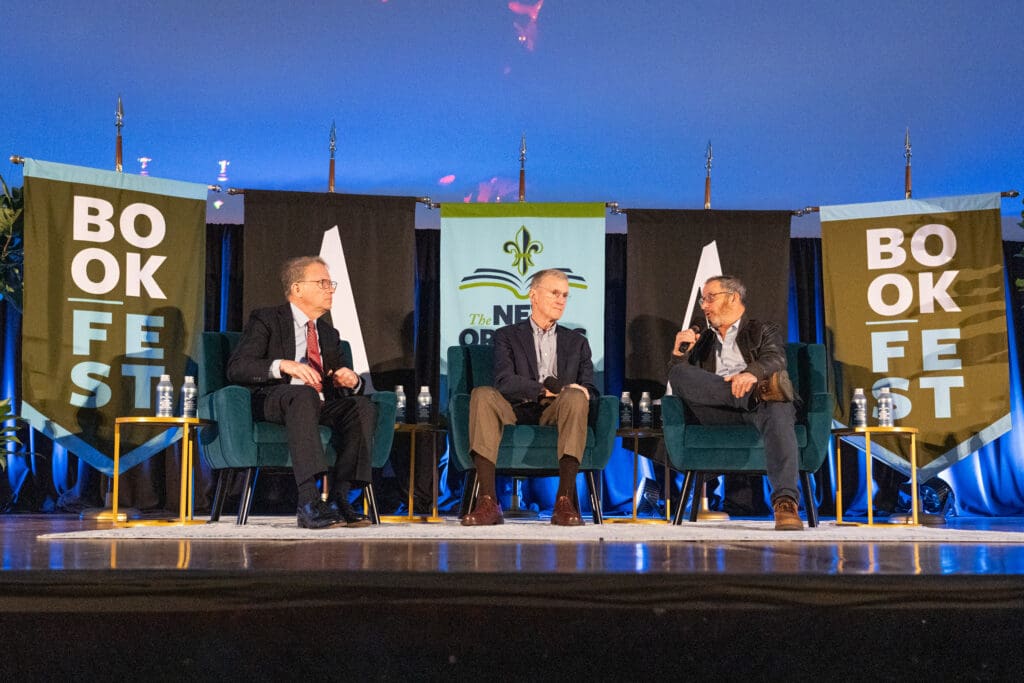
Conflicts Shaping the Global Future
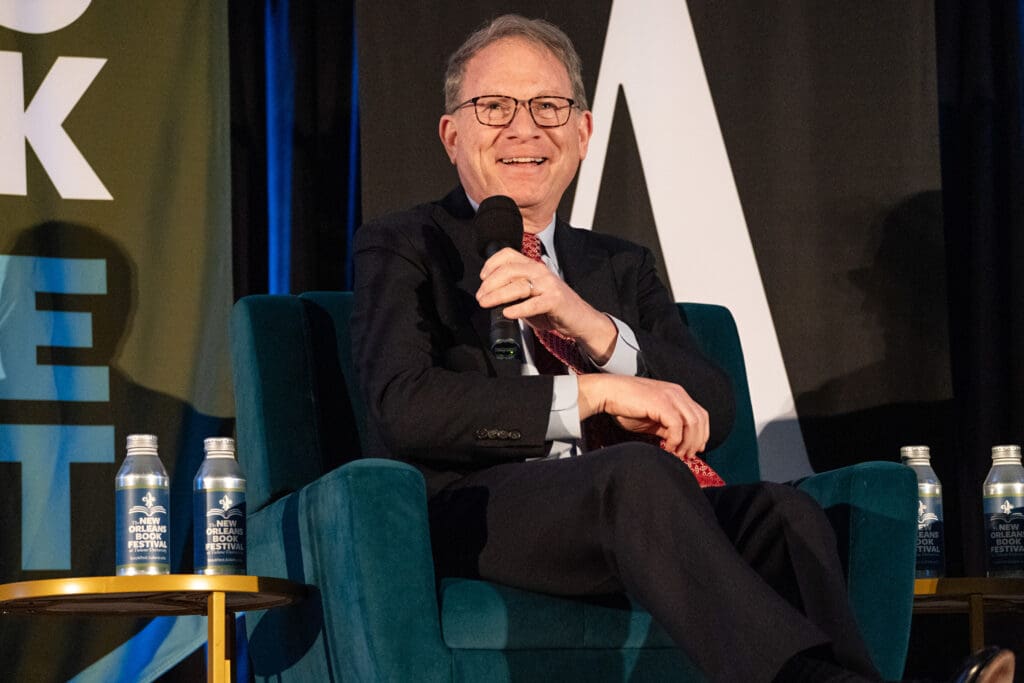
The first panel, “Conflicts Shaping the Global Future,” brought together retired U.S. Army general Stanley McChrystal and writer George Packer of The Atlantic, moderated by the magazine’s editor in chief, Jeffrey Goldberg.
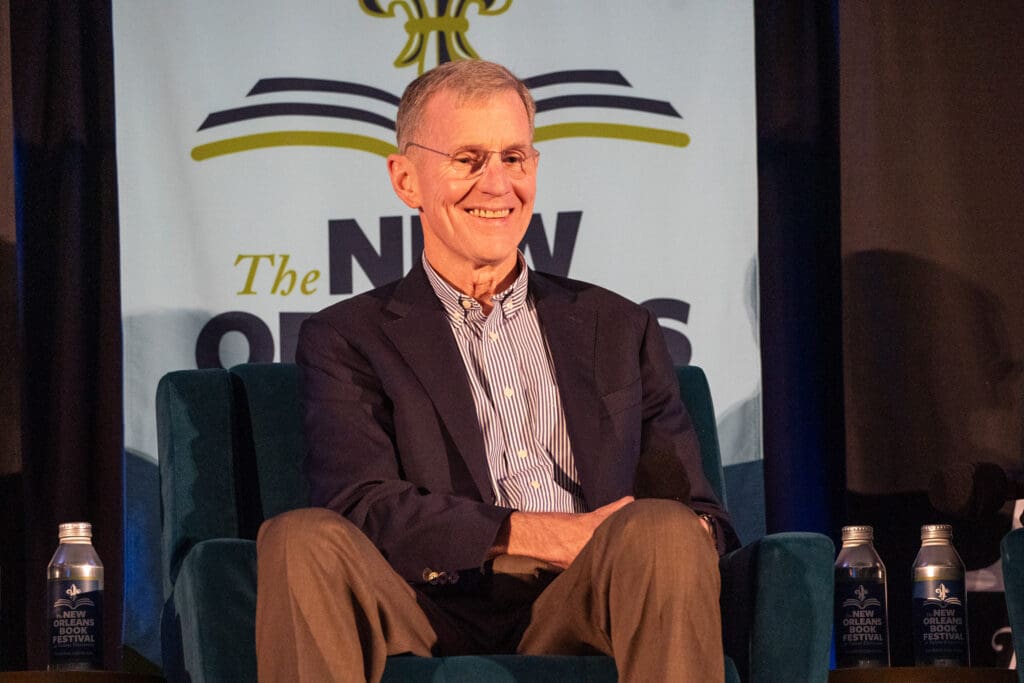
The conversation quickly turned to the realities of modern warfare and the complex geopolitical tensions shaping today’s world. Retired Stanley McChrystal, former commander of U.S. and international forces in Afghanistan, spoke candidly about the realities of modern warfare and the responsibility carried by both soldiers and leaders. McChrystal opened with a sobering observation: if someone believes the current moment represents the worst of conflict, history suggests otherwise. “This is the best part of the war if you like it,” he remarked bluntly. “It will only get worse.”
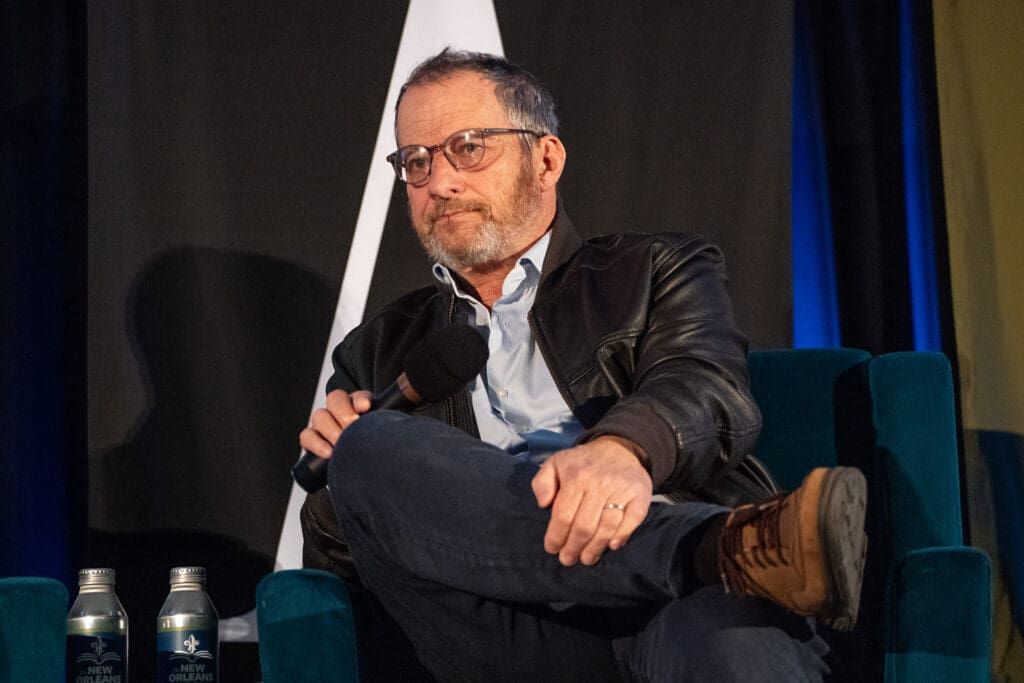
Packer addressed the shifting power dynamics in the Middle East, suggesting that some recent geopolitical actions likely stem from the perception that the Islamic Republic of Iran is currently at one of its weakest points in decades. That perceived vulnerability, he noted, may have encouraged outside actors to push harder in the region.
Goldberg raised the possibility of regime change and questioned whether outside military pressure could help citizens rise up against oppressive governments. Packer, who maintains close ties to members of the Iranian diaspora, said reactions within the Iranian community remain deeply divided. While many believed conditions in the country had reached their darkest point earlier this year when the government killed thousands of citizen protestors, he noted that the regime does not appear to be on the verge of collapse.
McChrystal emphasized the human cost of modern war, explaining that military targets are often located near civilian populations.“Wars become personal quickly,” he said. “Any target is near a civilian target.”
He also warned that military interventions often begin with the promise of liberation but can quickly transform into long-term occupations. Reflecting on his experiences serving under presidents including George W. Bush and Barack Obama, McChrystal said that even when he disagreed with their decisions, he believed they were genuinely trying to make the best choices for the American people. He hinted that he does not believe this is the case with the current presidency.
What troubles him more today, he said, is the tone surrounding military power. “No one should be bragging about making decisions that lead to civilian deaths,” he said. McChrystal also pushed back against the increasingly popular use of the word “warrior” to describe members of the military. The U.S. armed forces, he stressed, operate under strict rules of engagement and require extraordinary restraint from both soldiers and leaders. “Most of the people on the battlefield are 18 or 19 years old,” he said. “They’re very impressionable.”
In one of the evening’s most memorable moments, McChrystal referenced the song “Jolene” by Dolly Parton to illustrate a larger geopolitical concern around recent events. In the song, the narrator pleads with another woman not to take her partner simply because she can. Goldberg named his analogy the “Jolene Doctrine,” as McChrystalas warned that other nations may increasingly view the United States as exercising power simply because it has the ability to do so—whether in places like Venezuela, Iran or even in discussions about Greenland.
He also stressed the importance of alliances, recalling how many partner nations joined the war in Afghanistan where he was last in command primarily because the United States asked them to. “These relationships are sacred,” he said.
America at 250
The second panel shifted the conversation from global conflict to the story of America itself. Titled “America at 250,”the discussion featured filmmaker Ken Burns, historian Annette Gordon-Reed, biographer Walter Isaacson, and writer Clint Smith, again moderated by Goldberg. The conversation explored the upcoming 250th anniversary of the United States and how Americans might reflect on the nation’s history at such a pivotal moment.
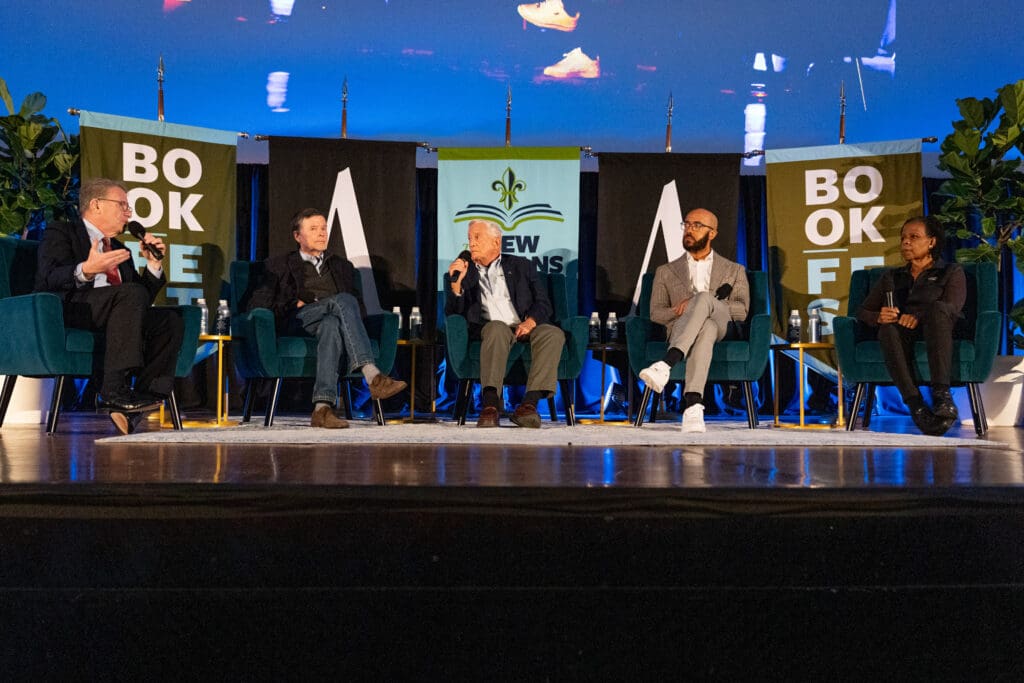
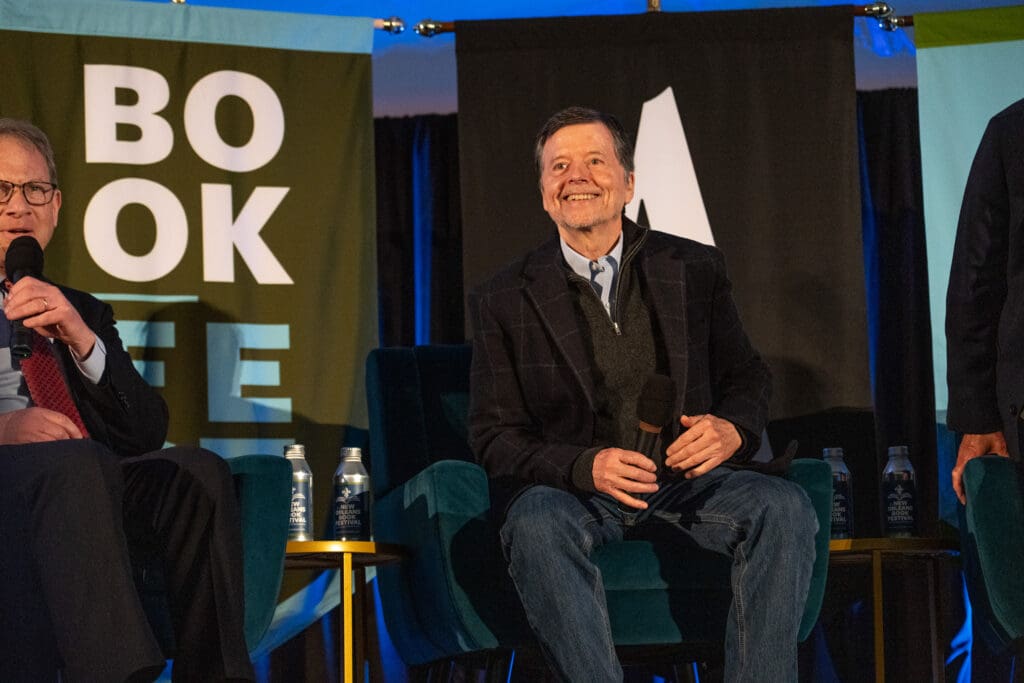
Burns discussed his latest documentary on the American Revolutionary War, released in November. While lauded as an in-depth, self-critical look at the nation’s founding, critics have accused it of a “woke” narrative for emphasizing slavery. Burns also reflected back on a quote from Frederick Douglass that was highlighted in his film Civil War that challenges Americans to reflect honestly on the nation’s ideals. “As I look at America’s beautiful rivers and star-crowned mountains, my rapture is checked; when I remember that the fields drink daily of the tears of my brethren and the rivers flow with the blood of my sisters, I am filled with unutterable loathing”
Ken Burns began working on the film during the final year of the Obama administration and originally imagined the 250th anniversary would be a moment of national unity. Now, he said, the atmosphere feels very different. He compared the moment to the United States Bicentennial in 1976, when celebrations often ignored the deep divisions created by the Vietnam War, the civil rights movement, and the aftermath of Watergate scandal.
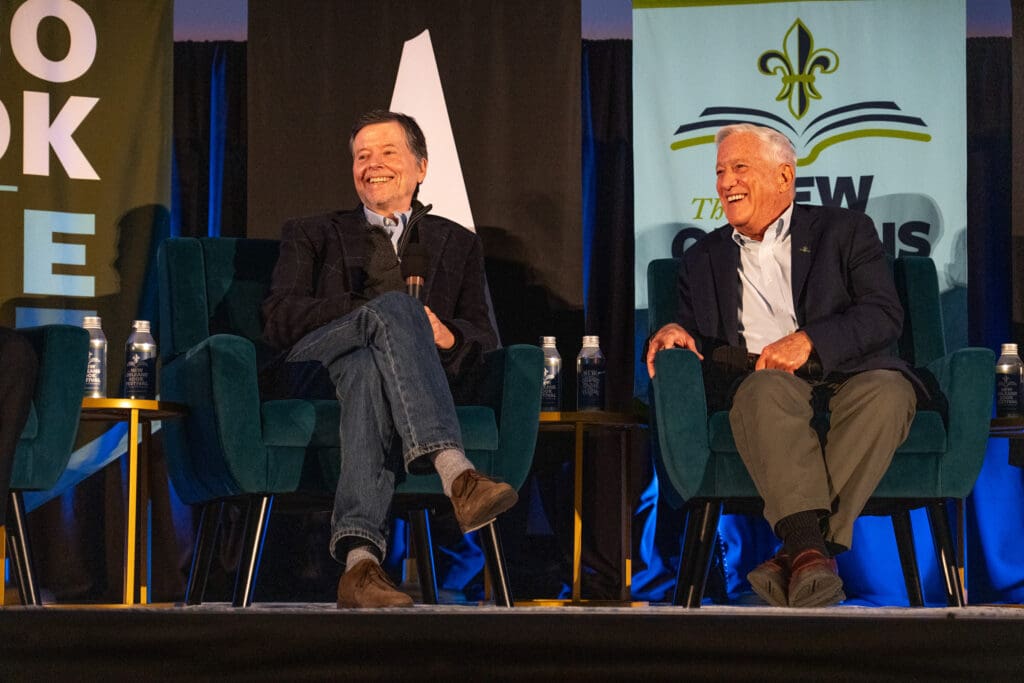
For Burns, telling the American story requires embracing complexity. Quoting jazz legend Wynton Marsalis, he noted that sometimes “The thing and the opposite of the thing are both true.” Still, Burns insisted that one historical figure stands above the rest in shaping the nation’s survival.“We would not have America without one person,” he said. “George Washington.”
Walter Isaacson brought the conversation back to New Orleans, describing the city as a powerful example of coexistence. “New Orleans is one of the most diverse cities in America,” he said. “And people here understand that they have to live together.” His biggest concern for the future, however, is the influence of social media algorithms designed to amplify outrage and division. “If we’re going to survive the next 50 years,” he said, “we have to survive the algorithms.” Despite the tone of political discourse online, Isaacson believes Americans are not nearly as divided as the media and politicians sometimes suggest. “There are people who profit from dividing us,” he said.
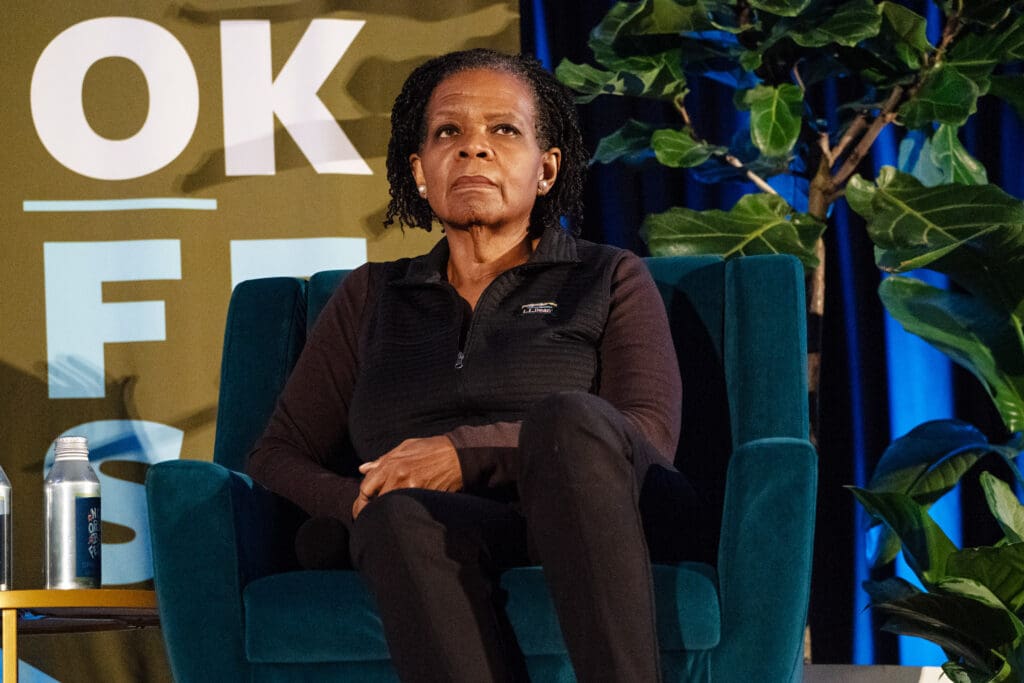
Gordon-Reed addressed the complicated legacy of Thomas Jefferson, noting that the founding father believed deeply in liberty while also expressing doubts that Black and white Americans could live together peacefully after slavery. “How can someone be a truly great person with such profound flaws?” she asked, describing what she called the “Jefferson dilemma.”
Smith expanded on that idea by describing tours at Monticello, where visitors sometimes question whether the expanded discussion of slavery represents a rewriting of history. The real challenge, Smith said, is not changing America’s story but accepting its full truth.
Finding Common Ground
Toward the end of the evening, Goldberg posed a question to each of the panel that seemed to linger over the entire discussion: How would they like the celebration of 250 to look with their version of patriotism?
Burns suggested Americans should read both the Declaration of Independence and Frederick Douglass’s famous speech questioning the meaning of the Fourth of July for enslaved people together during the 250 celebrations. “Embrace the complexity,” he said.
Isaacson emphasized everyday kindness and empathy. “What can I do every day to turn down the hatred and vitriol?” he asked. “Be kinder. Give grace to people you disagree with.”
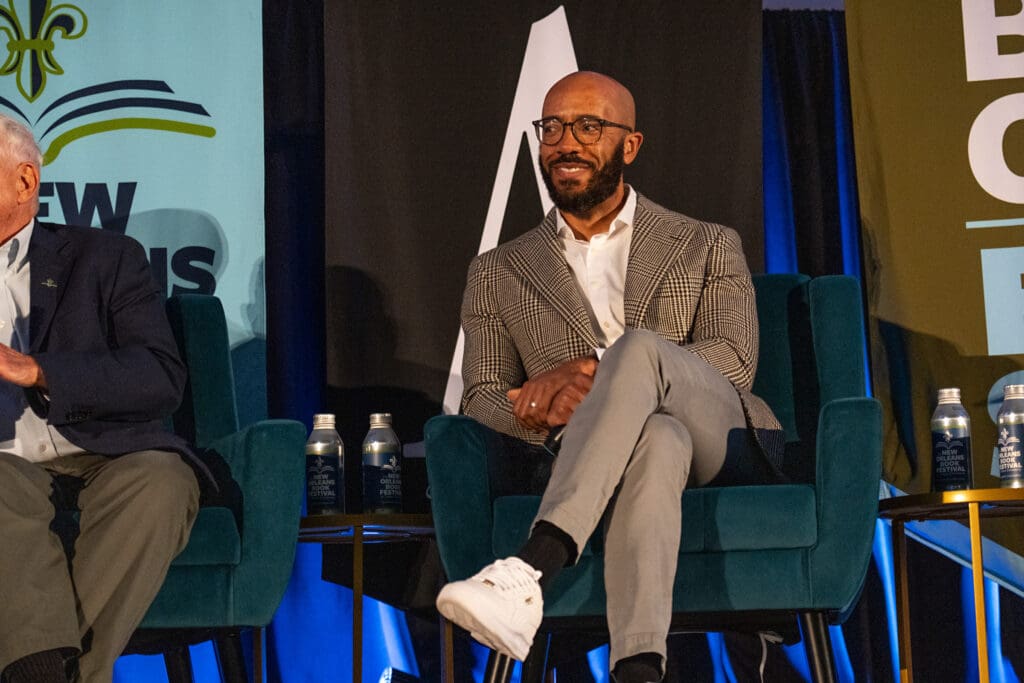
Smith pointed to a simple example familiar to anyone in New Orleans: standing on the neutral ground during Mardi Gras, catching beads alongside neighbors who may have voted differently but share the same space and celebration. “Get off the phone,” he said. “Your politics mostly exist on your phone.”
Gordon-Reed ended with a reminder that democracy requires constant participation. Reflecting on the grievances listed in the Declaration of Independence, she urged Americans not to become complacent. “Can we keep the republic?” she asked. “The key is the people.”
Can America survive if its citizens lose affection for one another? The answers reflected both concern and cautious optimism.
With dozens of panels, author talks, and cultural conversations still to come throughout the weekend at Tulane University, opening night made it clear that the celebration of literature, history, and ideas is just getting started.