


Swedish metal visionaries Avatar have built a reputation for blending theatrical performance, crushing riffs, and fearless creativity into one of modern metal’s most distinctive sounds. Frontman Johannes Eckerström is at the center of it all, a charismatic performer known for his towering stage presence and philosophical approach to songwriting.
Whether he’s crafting theatrical metal anthems, leading tabletop adventures on tour buses, or exploring island archipelagos, Johannes approaches life with curiosity and creativity. And if his philosophy of trusting intuition is any indication, the future of Avatar will continue to be as unpredictable — and entertaining — as the band’s unforgettable stage show.
During a recent sailing of ShipRocked, we caught up with Johannes to talk about the creative process behind the band’s music, the collaborative story behind the song “Don’t Go in the Forest,” travel inspiration, wrestling nostalgia, fitness on the road, and why Sweden’s archipelagos might just be one of the most beautiful places in the world.
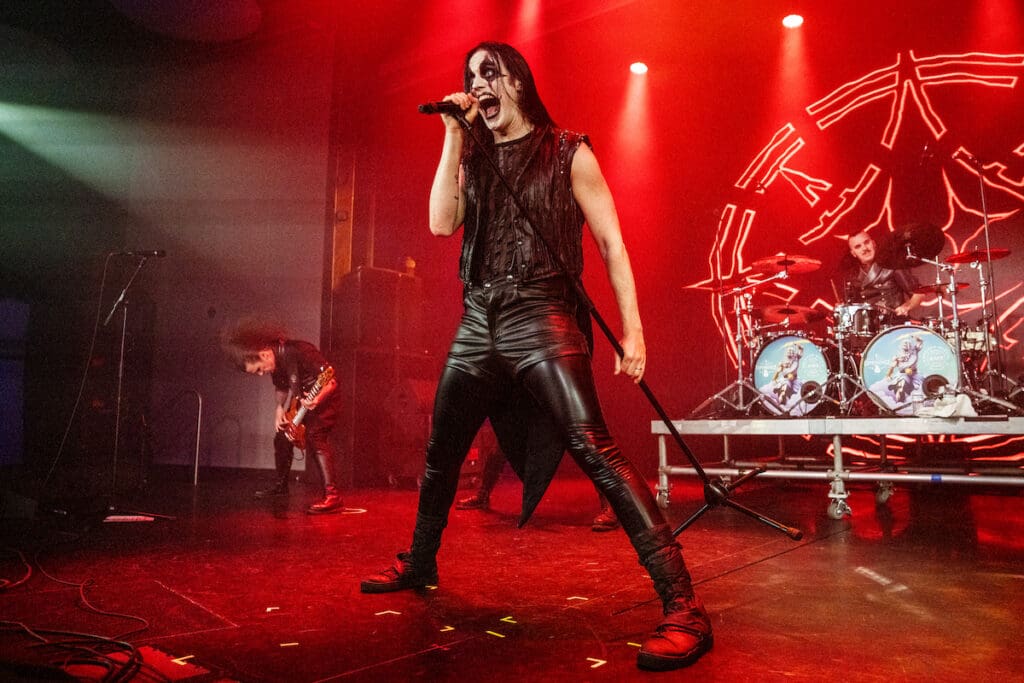
I heard “Don’t Go in the Forest” for the first time on the ShipRocked. What was the biggest inspiration behind the song and the album?
That song actually summarizes a lot of the mindset behind the album. A big part of it was trusting intuition more than ever before.When you grow up reading music magazines and interviews, artists always seem to have perfect answers about what their songs mean. When you’re young, you think you have to know that too. Over time, I realized you can figure that out later. You just write and trust the feeling.
With this record, we leaned into that more than ever. You write what feels beautiful or right in the moment and let the imagery come naturally. The music paints pictures, and you write down what you see.
“Don’t Go in the Forest” was a great example of that. It was incredibly collaborative. I wrote the chorus years ago and forgot about it. A riff from an old song ended up in the trash, Tim rescued it and started building around it, then we hit a wall and threw it away again. Later Jonah dug it back up and remembered another riff that fit perfectly.
So, the song was literally passed around the band over the years until everyone solved a piece of the puzzle. Once the drums and groove were simplified and strengthened, everything finally clicked into place.
Have places you’ve traveled ever inspired songs?
Yes, sometimes. A lot of the imagery for the song “Magic Lantern” comes from memories of my maternal grandfather’s house in Germany. They’re almost dreamlike or misremembered memories.
Other times it’s not about the place itself but the feeling you get there. I remember walking around London one day in the financial district. Everyone was dressed perfectly, and I felt like an outsider — like I was only a few meters away from their world but not really part of it. I wrote notes about that feeling, and eventually it found its way into a song somewhere down the line.
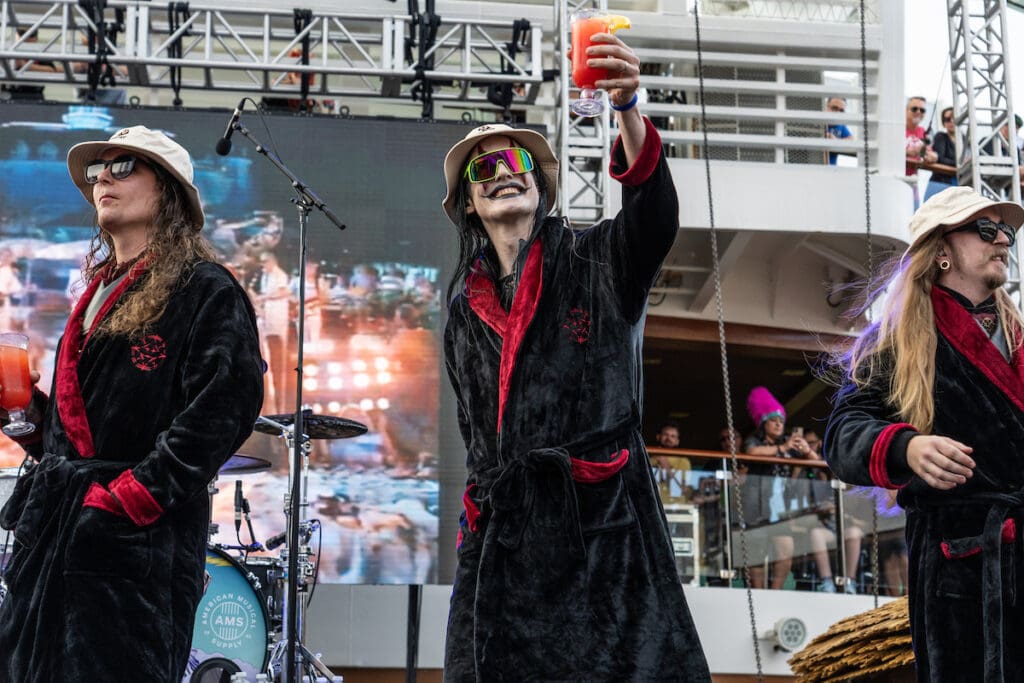
You live in Finland now, but you’re Swedish. What would your perfect travel day be in Sweden and Helsinki?
On the Swedish west coast during summer is amazing. Sweden actually has the most islands in the world. People argue about it, but even if you remove the smallest ones, we still have more than anyone else. You want to visit the archipelago — smooth rock islands shaped by the melting ice age glaciers. There are beautiful wooden houses, and you can swim in the ocean… maybe get pinched by a crab.
In Helsinki, I always take visitors to the fortress island called Suomenlinna. It’s a UNESCO World Heritage site. Finland used to be part of Sweden when it was built, later it belonged to Russia, and eventually it became Finnish.
On a sunny day there’s great food, beautiful views, and it’s another archipelago — which apparently I love.
Avatar has been on ShipRocked multiple times. Why do you keep coming back?
Part of it is simply making the most of it. When you live where we live, this time of year doesn’t look like this. So sunshine, ocean, and music is pretty appealing.
There have also been amazing moments here. I did the Stowaways performance twice. One time with Nita Strauss, which was awesome. But the most special moment was performing “Black No. 1” with surviving members of Type O Negative after Peter Steele had passed away. I got to sing it.
Growing up loving that band, getting to pretend to be in Type O Negative for five minutes was something I never imagined would happen.

I’ve heard you’re a wrestling fan.
Absolutely. My main watching years were during the late ’90s Monday Night Wars. The whole New World Order storyline.
I was always a big fan of Sting. Watching him descend from the rafters and finally get his revenge at Starrcade — those moments were huge to me as a kid.
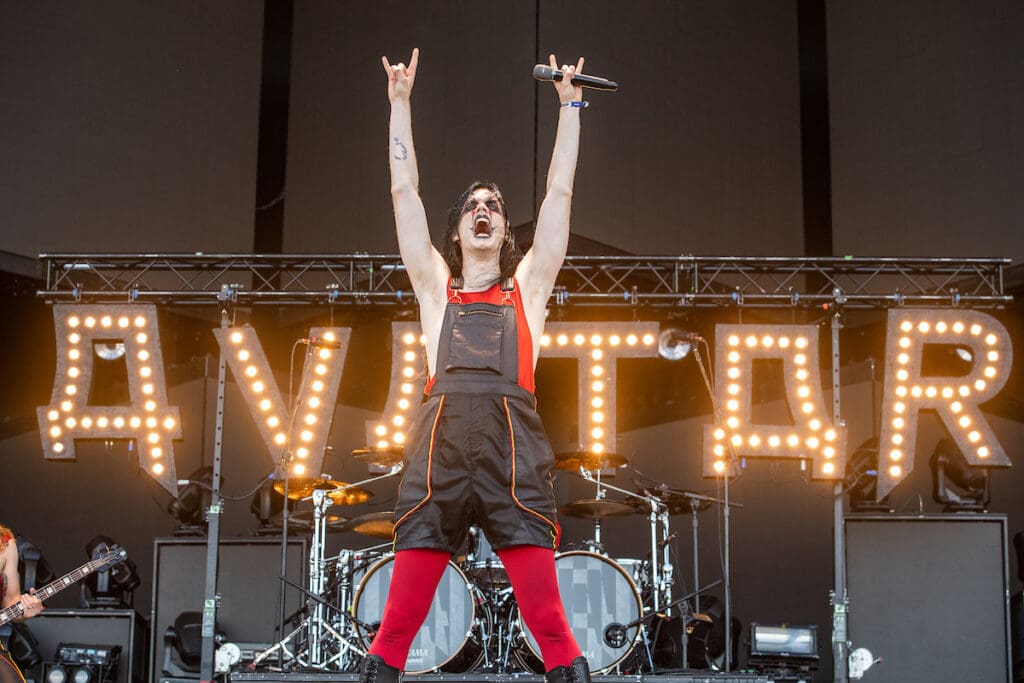
You’re incredibly energetic on stage. How do you stay in shape for touring?
I probably work out more now than ever before. My philosophy is simple: don’t let the show be the hardest physical thing you do that day.
On show days I train, and on off days I rest from both the stage and the gym. At home I focus on strength training — lifting heavy and building muscle.
There’s a good rule of thumb for strength goals: deadlift twice your body weight, squat 1.5 times your body weight, bench your body weight, and shoulder press about two-thirds. I’m working toward those numbers.
Cardio keeps you alive longer. Strength gives you quality of life.
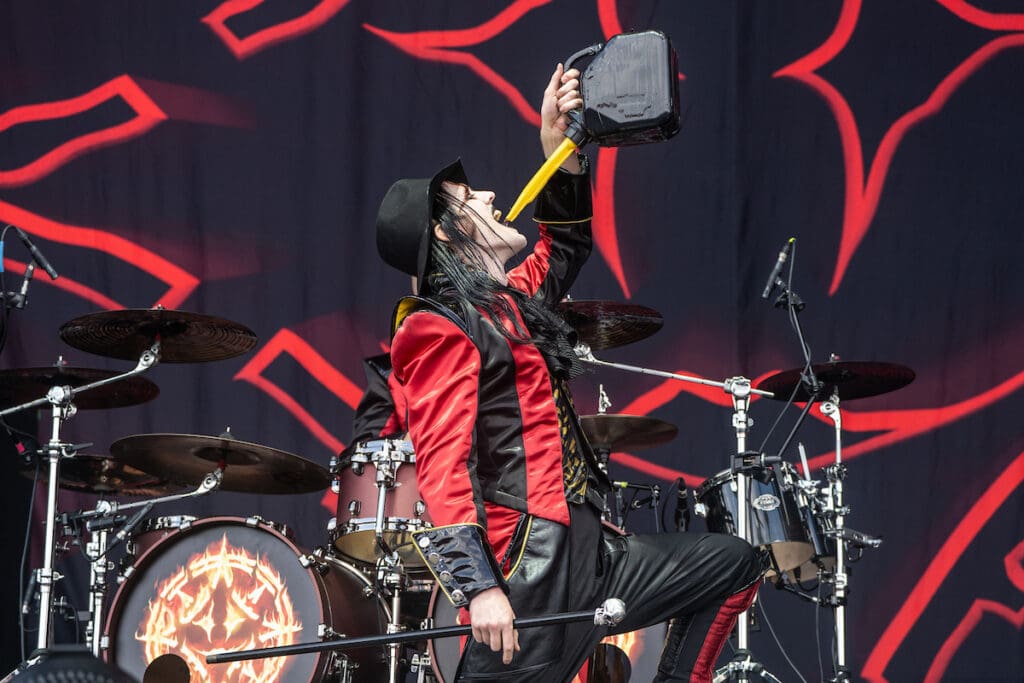
What’s something you always bring when traveling?
Honestly, less than I think I need. One time an airline lost my bag when I flew across the Atlantic. I had to buy underwear and a few essentials, but the tour went just fine.
It made me realize we probably travel with more stuff than we actually need.
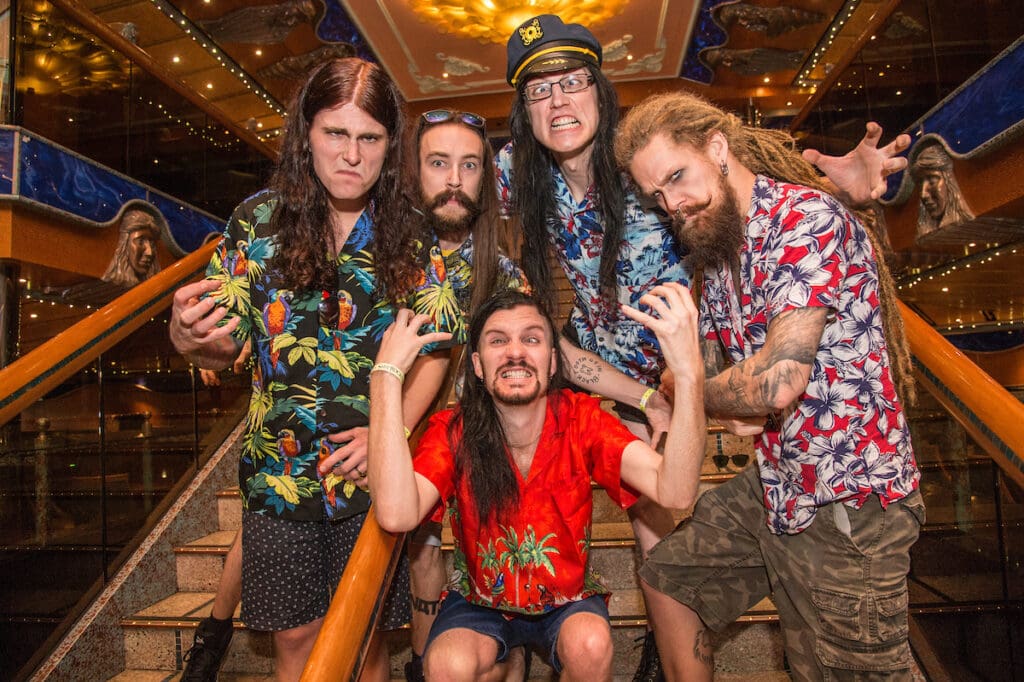
I heard you run Dungeons & Dragons games on tour.
Yes — I’m always the Dungeon Master.
I grew up playing similar Swedish tabletop games. The storytelling process is actually very similar to writing songs. You collect ideas along the way and build a world together. On tour, when schedules allow it, we’ll gather the band and crew and suddenly you realize — there’s a fighter over there, a barbarian over there — and you can run a game. It’s a fun creative escape.
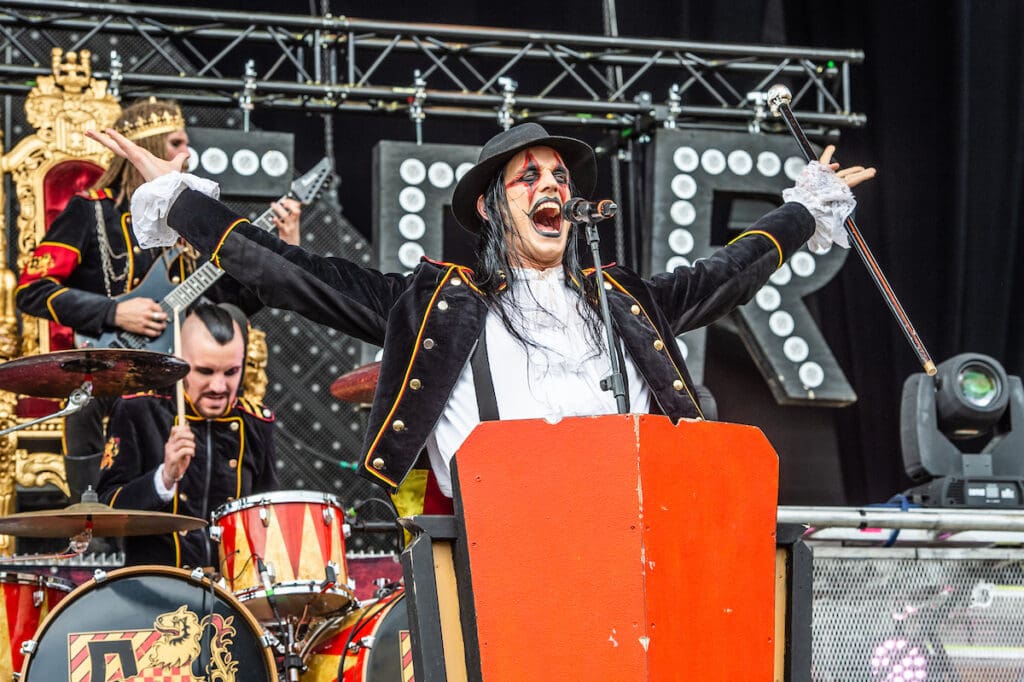
Last question: what exactly is Swedish bear dancing?
(Laughs) It’s just one of those strange old folk traditions that resurfaced online as a meme. Every country has weird historical traditions, and that one happens to look particularly funny today.
Once you see it, you kind of feel obligated to try it.