


On Mardi Gras Day, as the streets of New Orleans came alive with color, music, and celebration, one of the city’s most unique and historic parades began its journey: the Society of Saint Anne. Known for its revelers’ creativity, whimsy, and devotion to both tradition and eccentricity, the parade kicked off at 10 a.m. in the Marigny neighborhood, weaving its way through the French Quarter in a spectacle that is as much a moving performance as it is a procession.
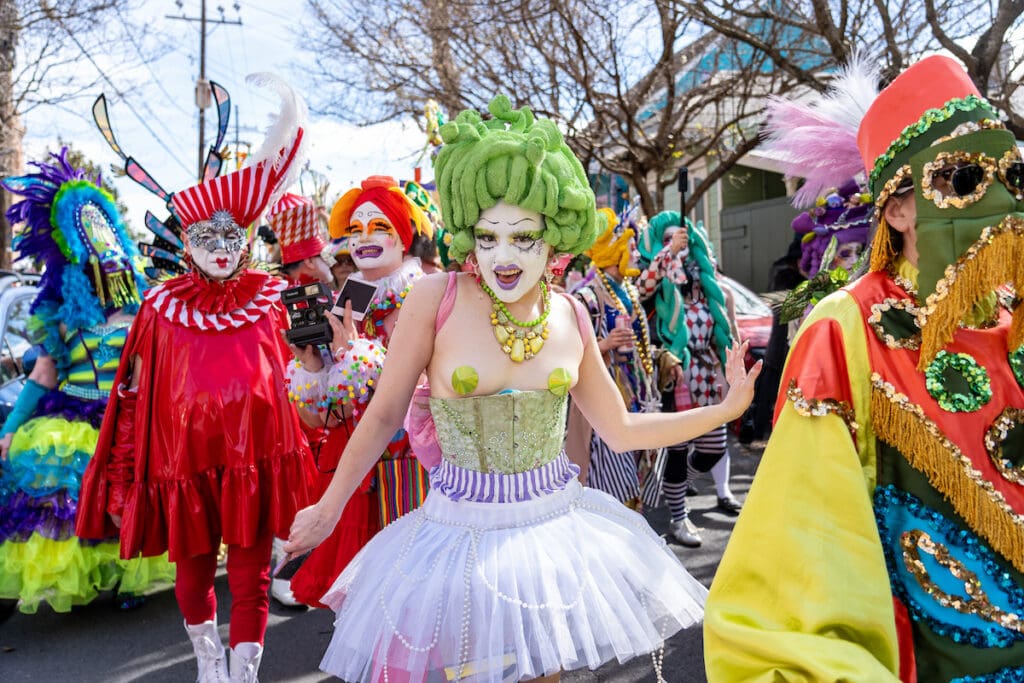

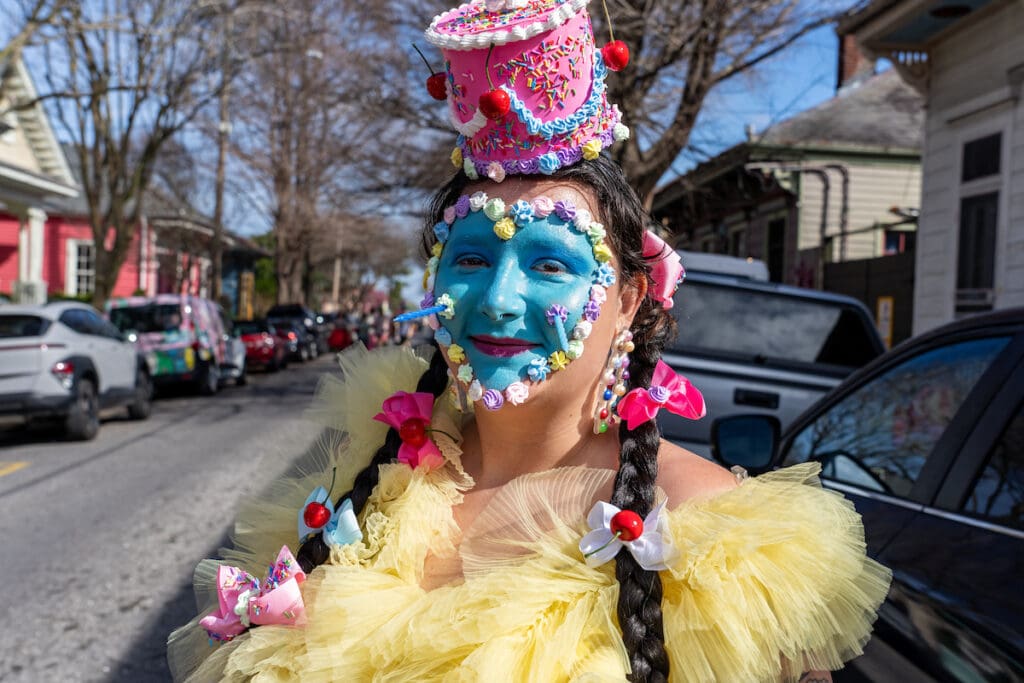
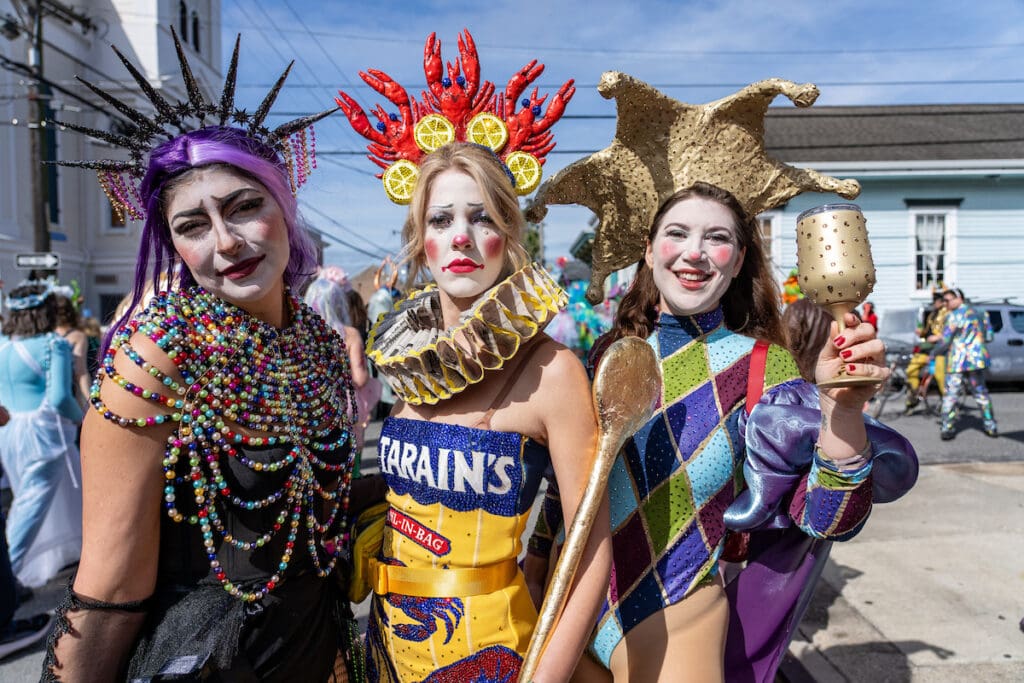
Founded in 1969, the Society of Saint Anne is a walking krewe that celebrates imagination, art, and individuality. Unlike motorized parades, Saint Anne’s members don’t rely on floats; instead, participants dress in elaborate, fantastical costumes, carry decorated umbrellas, and dance through the streets to the rhythms of live brass bands. Each marcher is a performer in their own right, blending street theater, pageantry, and Carnival tradition into a single flowing parade.
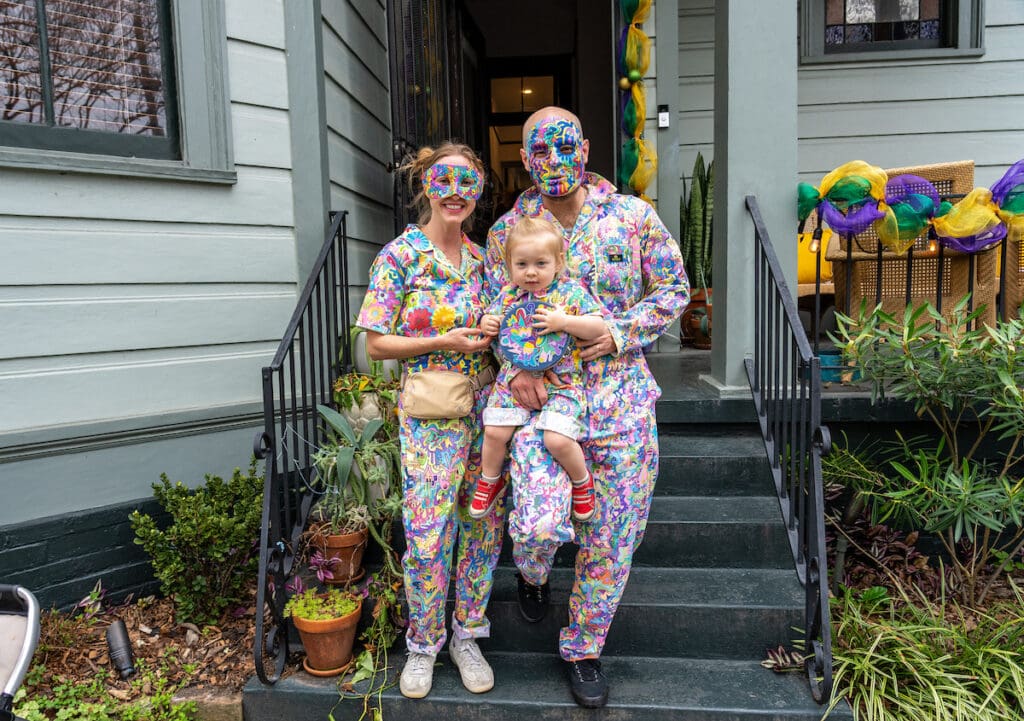
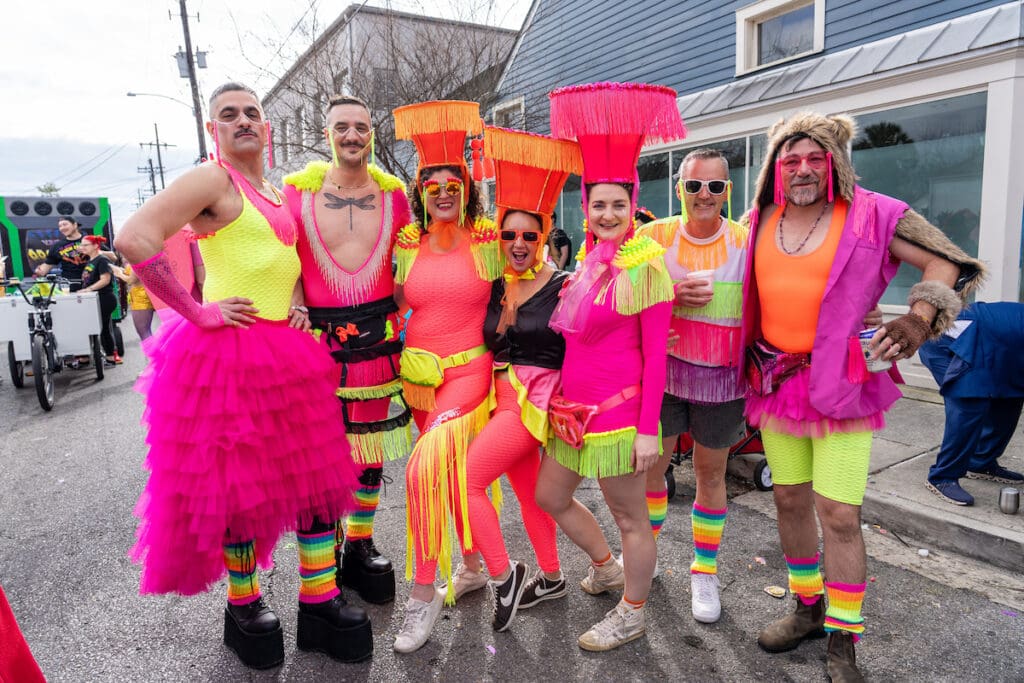
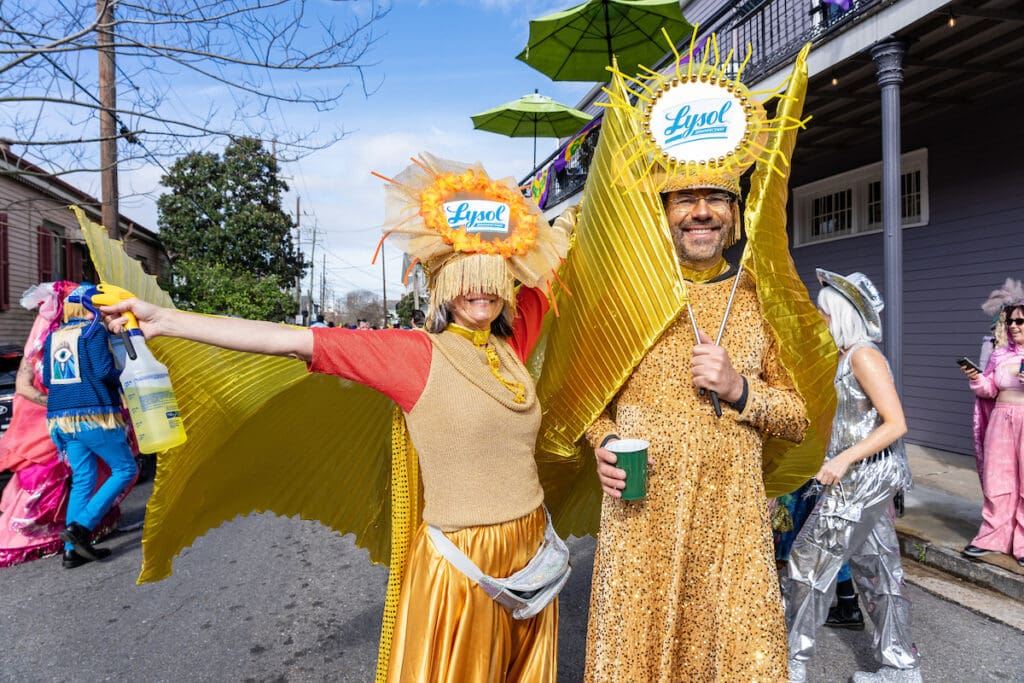
By 10 a.m., the Marigny streets were already buzzing with anticipation. Crowds lined the sidewalks, children perched on curbs, and visitors from near and far had claimed prime spots to catch a glimpse of the colorful spectacle. The Society of Saint Anne prides itself on its accessibility and intimacy: spectators can get close to the marchers, interact with costumed revelers, and experience the parade’s joyous, playful energy in a way few other Carnival events allow.
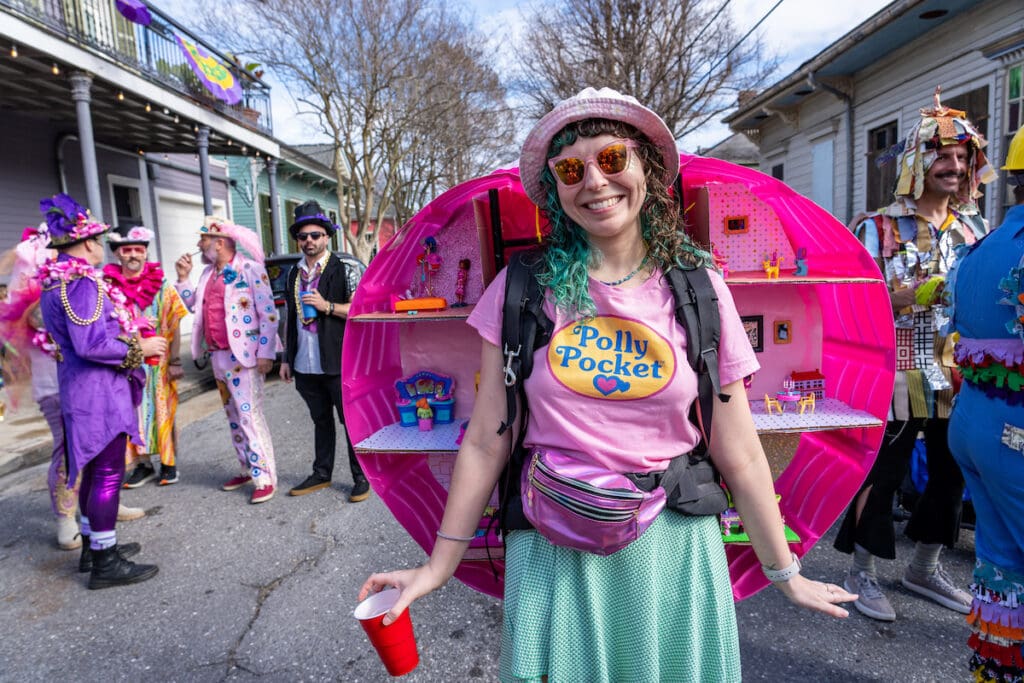
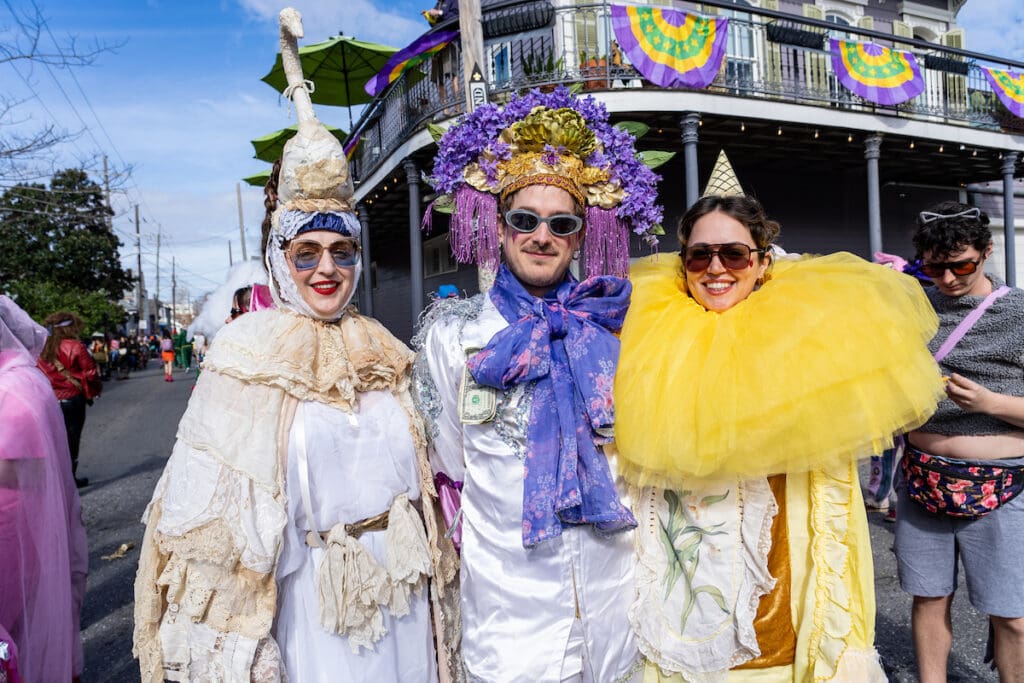
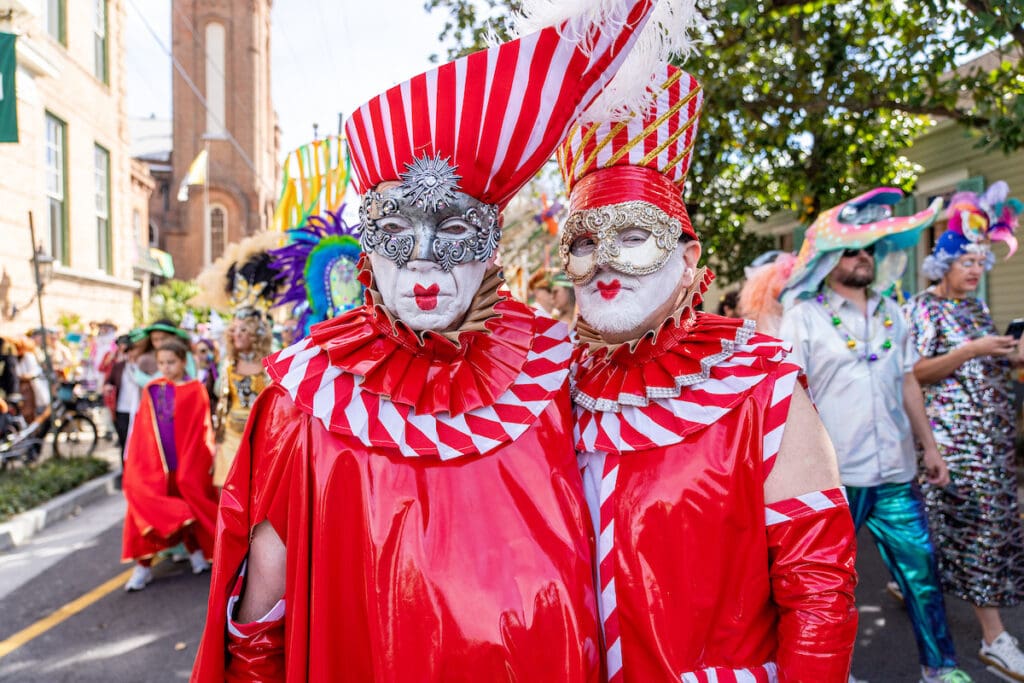
Music is the heartbeat of Saint Anne. Brass bands punctuated the procession, keeping the parade moving while creating a soundtrack that blends traditional New Orleans jazz with the improvisational spirit of Mardi Gras. Marchers twirled, shuffled, and pranced along the streets, often breaking into spontaneous dances, encouraging the crowd to clap, cheer, and sometimes even join in. There is a sense of community in the parade — everyone, whether dressed in costume or simply watching, feels part of the celebration.
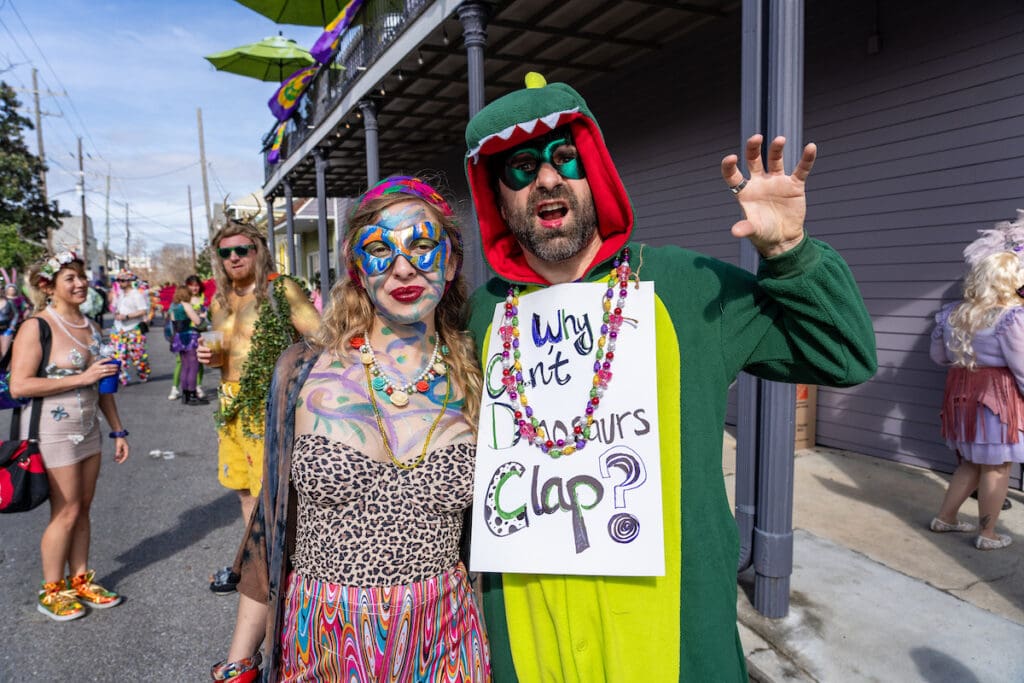
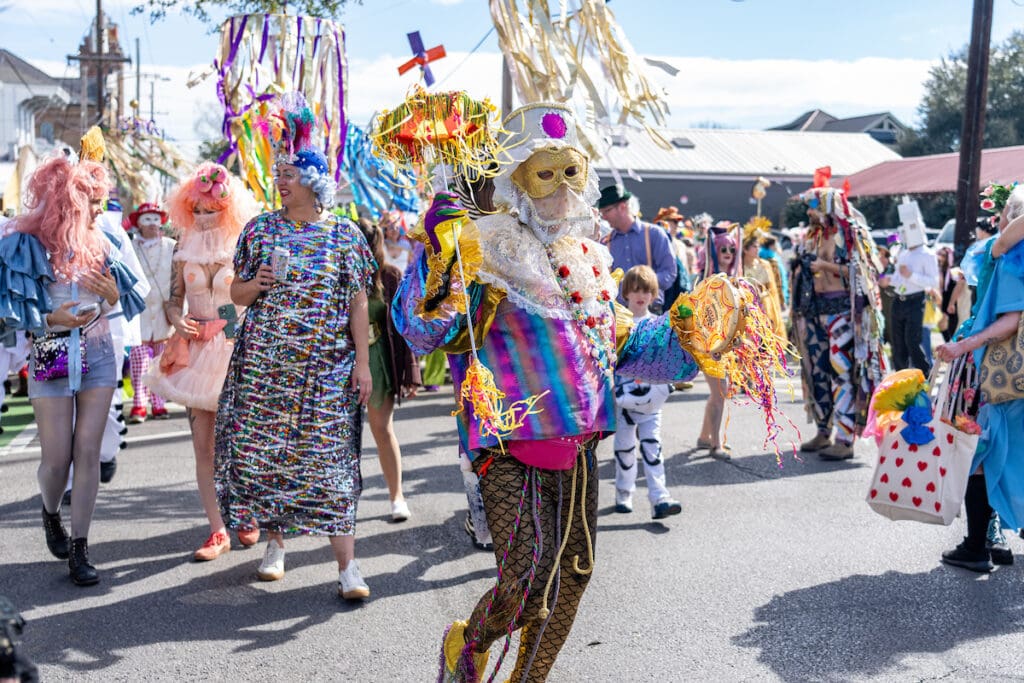
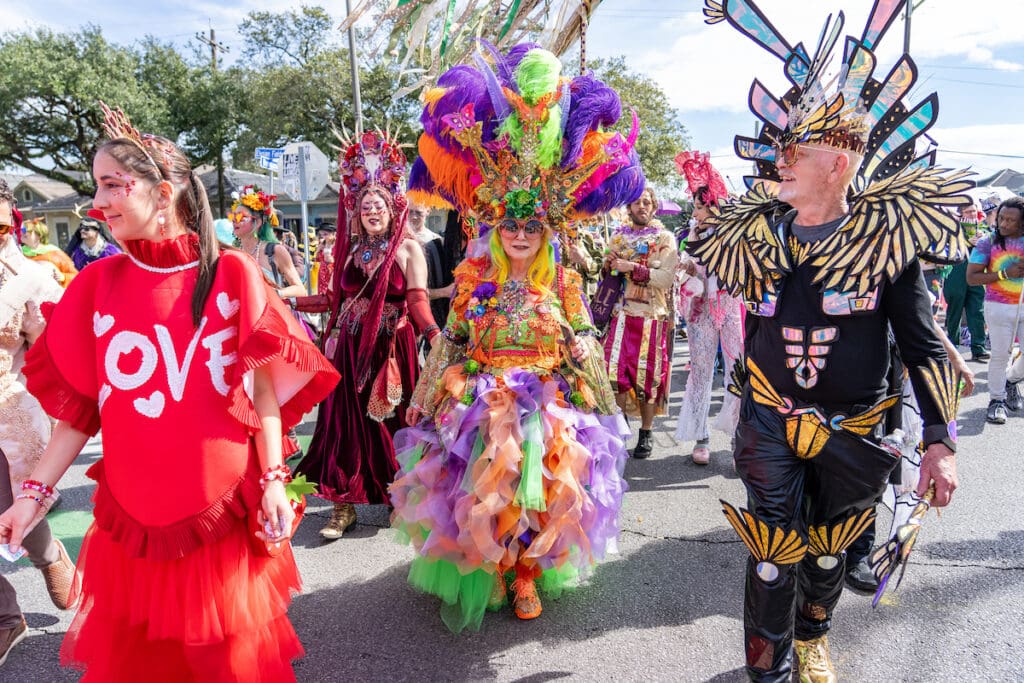
The creativity on display is nothing short of remarkable. Participants spend months designing costumes that range from whimsical and fantastical to bizarre and humorous. Feathered headpieces tower over the street, hand-painted masks bring mystical creatures to life, and elaborate props reflect a commitment to artistry that is both personal and communal. This parade is less about the spectacle of large floats and more about the spectacle of imagination made real — a walking, moving art gallery that transforms the streets of the French Quarter into a canvas.
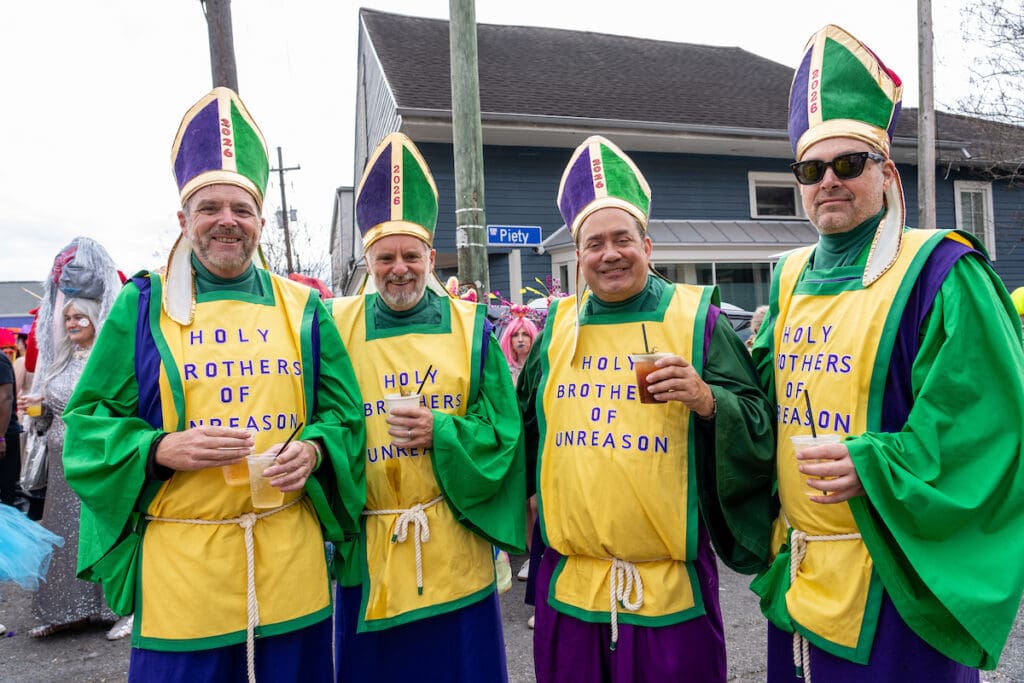
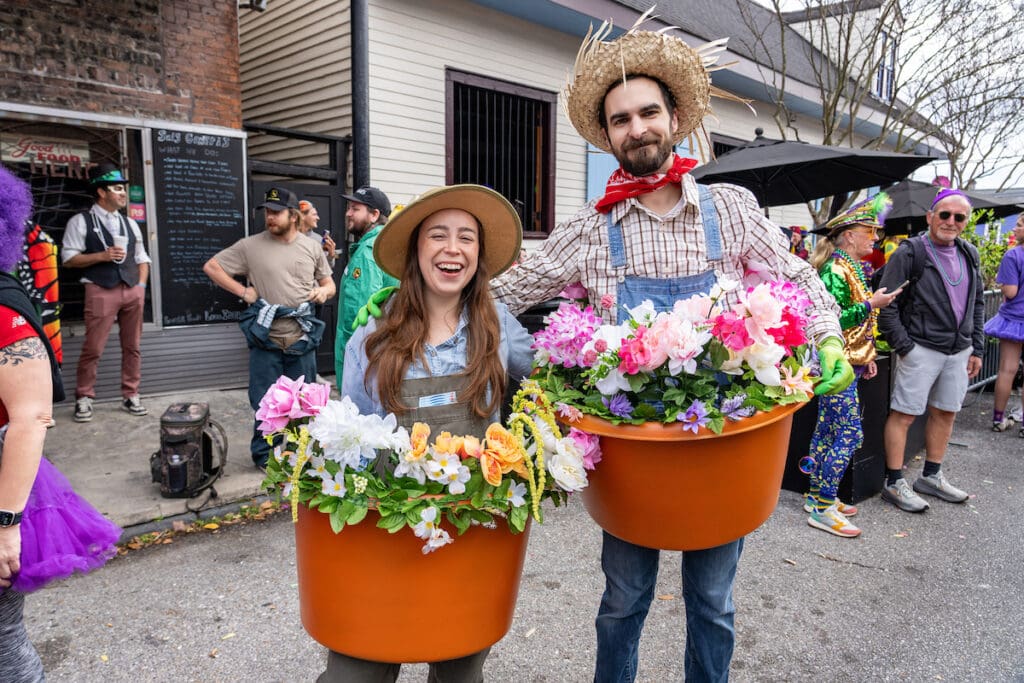
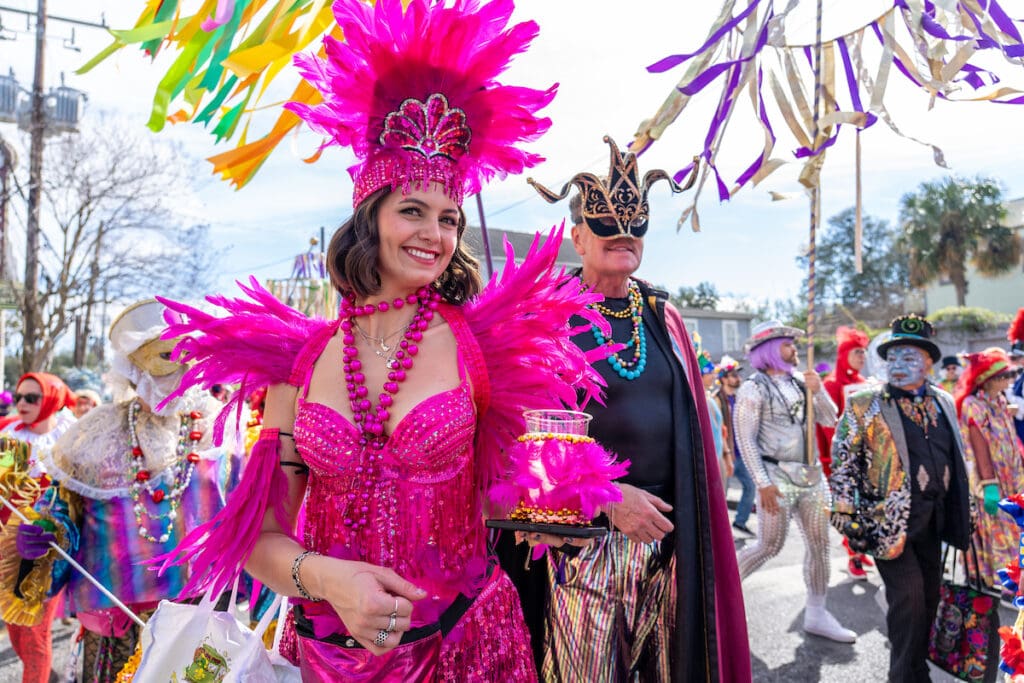
What sets the Society of Saint Anne apart is its joyful unpredictability. Unlike larger parades with strict routes and schedules, the walkers of Saint Anne meander, stop to dance, and often take the time to engage with the public. This improvisational quality gives each parade a distinct personality, making it impossible to see the same event twice. For first-time visitors to Mardi Gras, it’s an introduction to a side of Carnival that is intimate, interactive, and utterly unique to New Orleans.
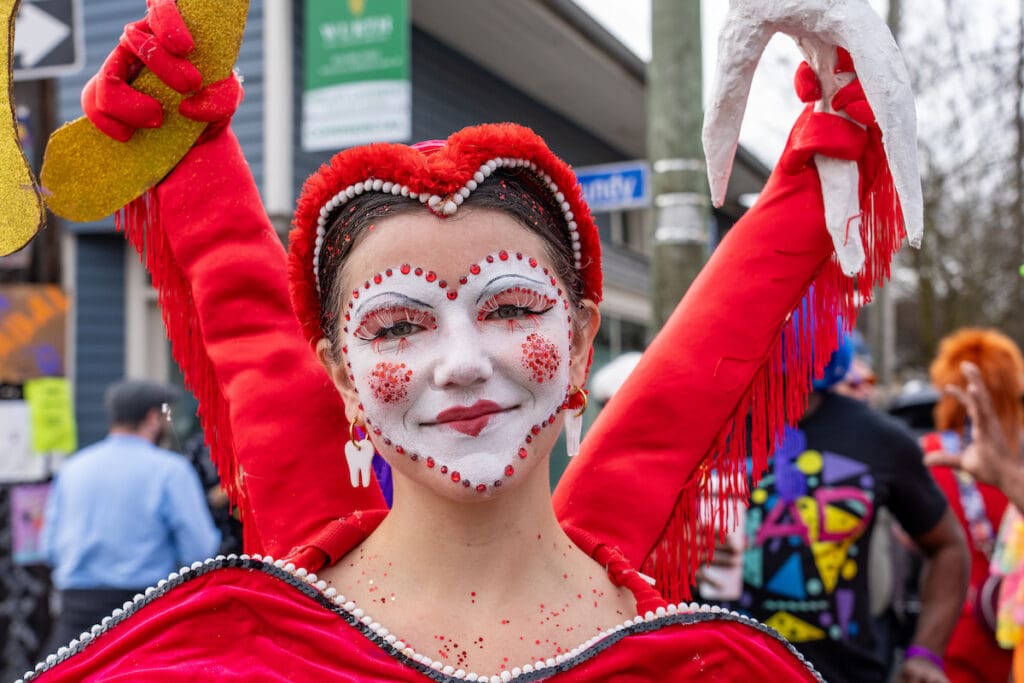
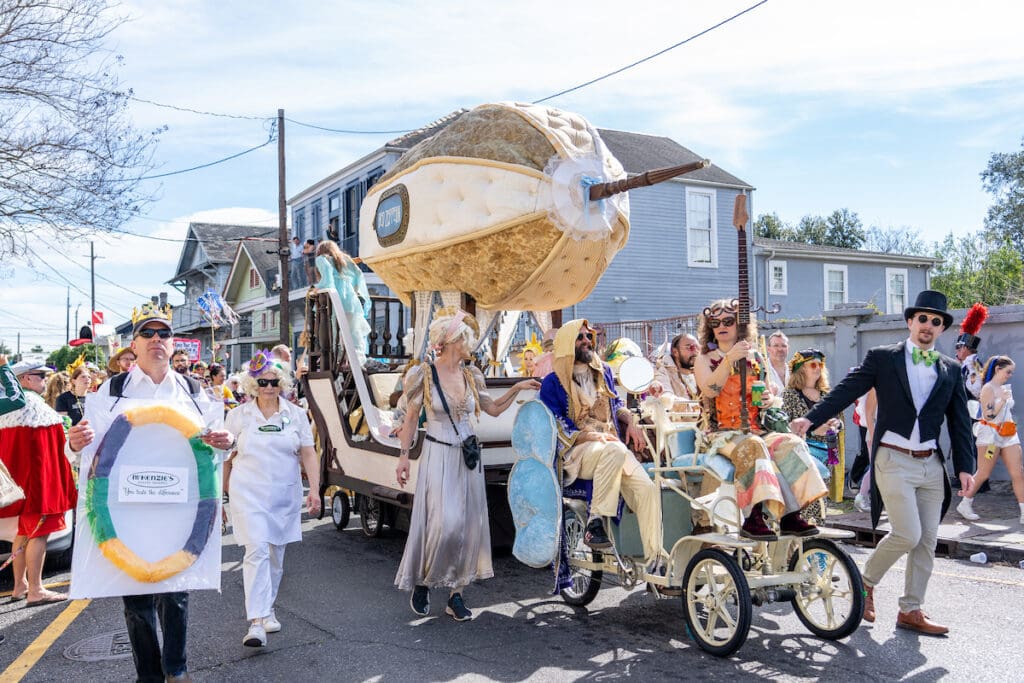
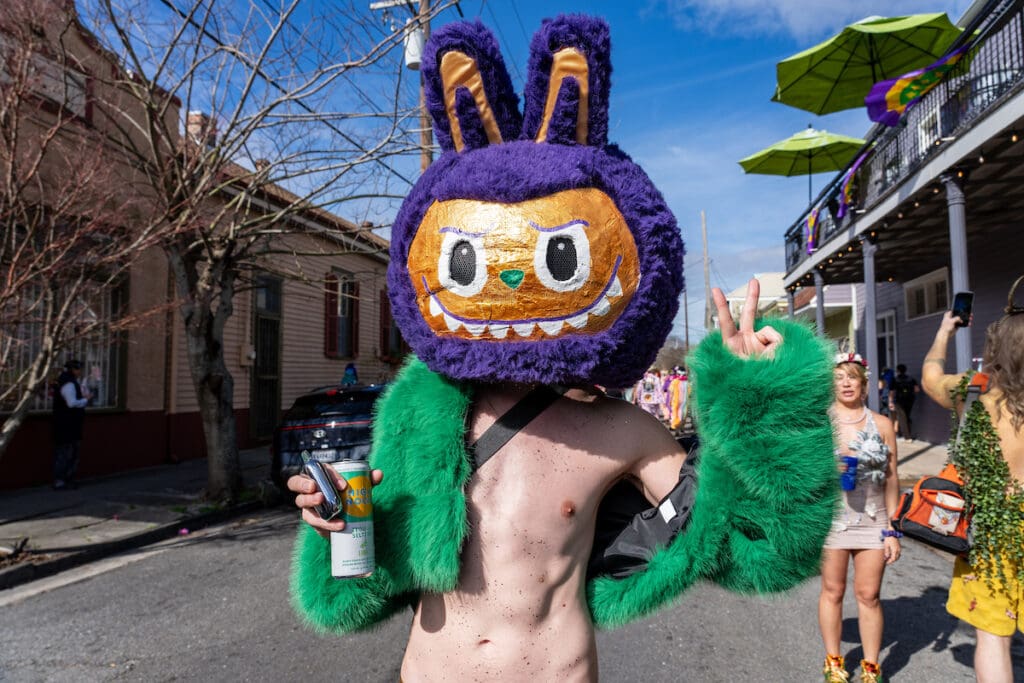
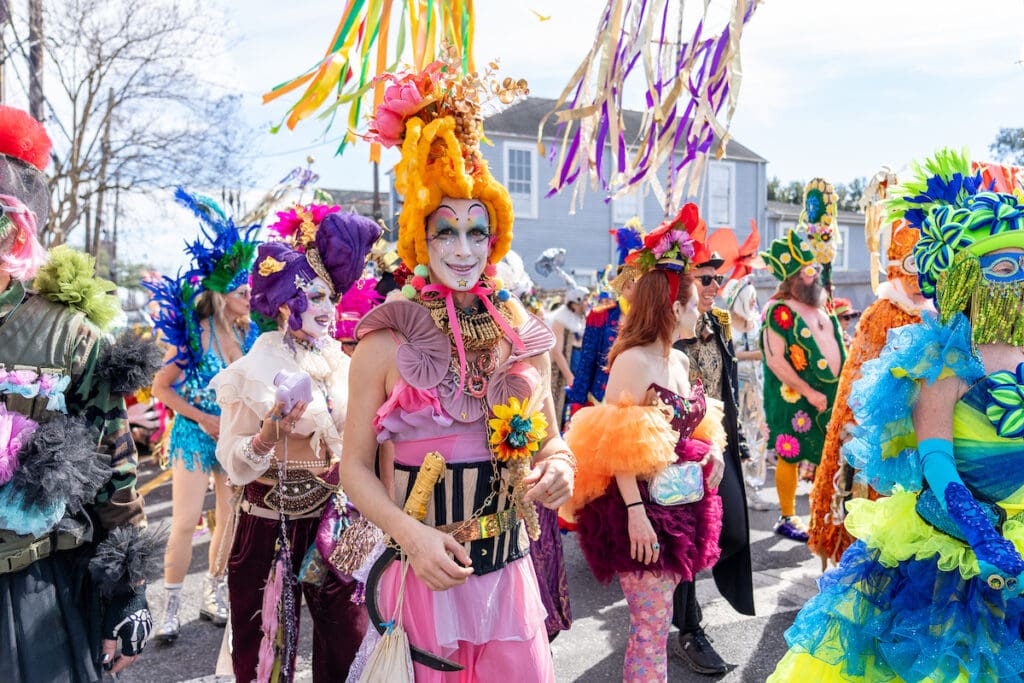
As the parade wound its way through the Marigny and into the French Quarter, the streets became a sea of color, sound, and motion. Revelers carried the Mardi Gras spirit with a blend of artistry and humor, reminding everyone watching that Carnival is about more than beads and floats — it’s about creativity, connection, and community. By late morning, the Society of Saint Anne had left behind a trail of glitter, confetti, and smiles, proving once again why this walking krewe has captured the hearts of locals and visitors alike for more than five decades.
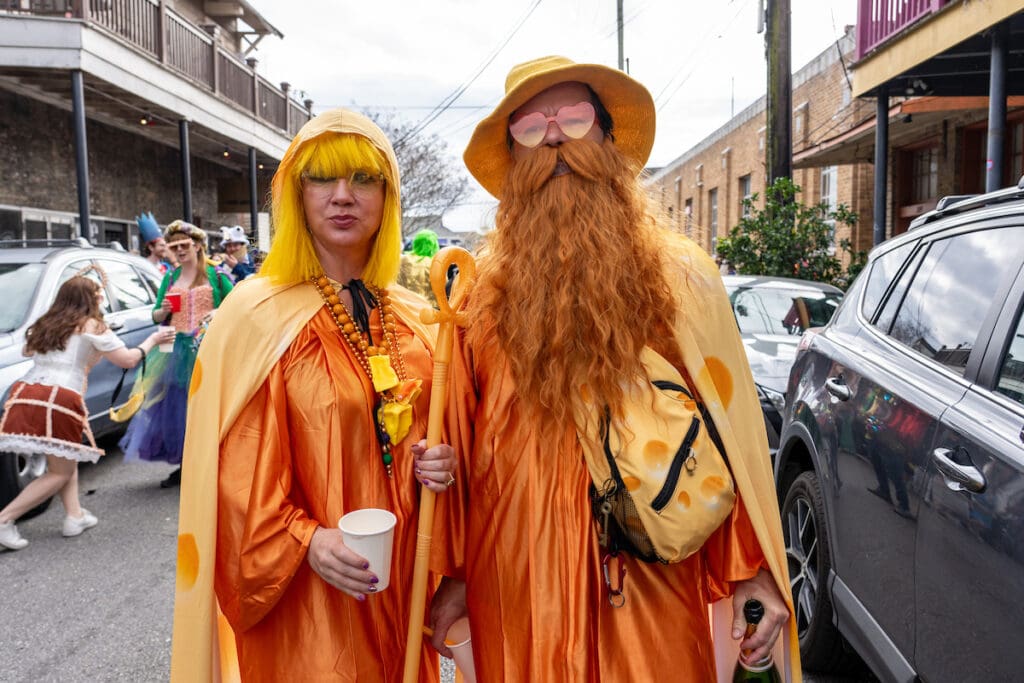
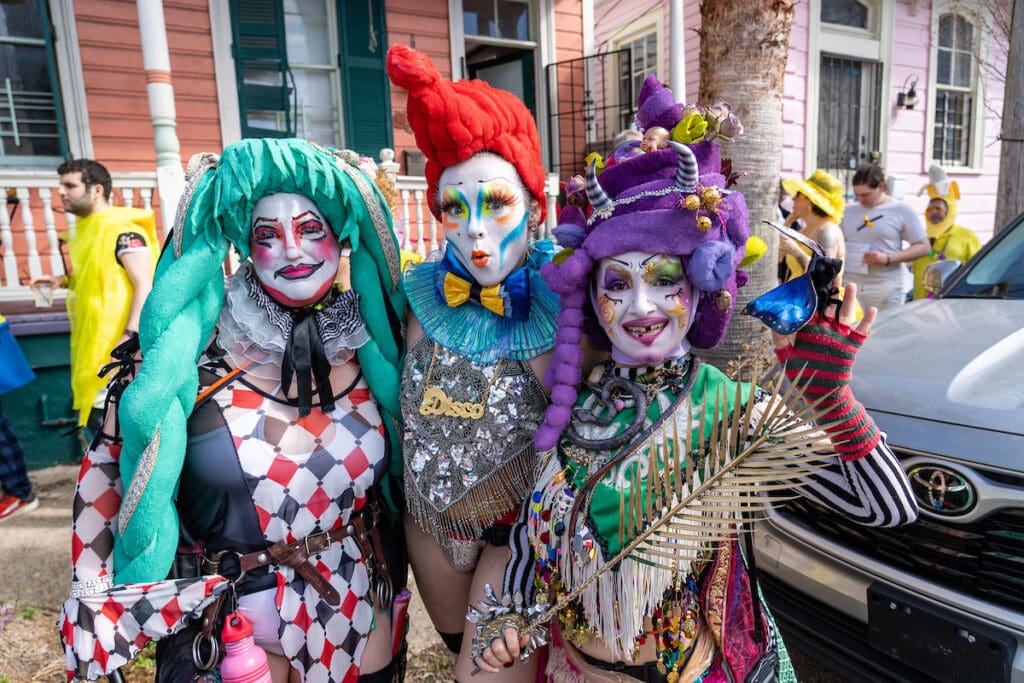
For anyone hoping to experience a different side of Mardi Gras — one where art, improvisation, and joy take center stage — the Society of Saint Anne offers an unforgettable introduction. Starting in the Marigny, traveling through the heart of the French Quarter, and unfolding entirely on foot, the parade embodies the spirit of New Orleans: exuberant, inventive, and alive with the promise that, during Mardi Gras, the streets belong to everyone.