


Travel does not have to mean crowded schedules, constant packing, and hurried visits to famous attractions. In fact, slow travel has become a big travel trend in the US. A recent article in The Currency cited 2025 trend reports from Booking.com and Hilton that reiterate the popularity of slow travel. For some, the concept means staying in fewer places, and for others, it is about immersing oneself in a local culture for an extended time.
A coastal holiday can offer something different. You can take time to notice the changing shoreline, return to a favorite café, and explore beyond the busiest beachfront. Slow travel puts these experiences at the center of a trip. Rather than measuring a holiday by how much ground it covers, this approach prioritizes meaningful experiences and a manageable pace.
In this article, we will explain how slowing down during a vacation can shape a richer coastal stay.
Explore the Destination Beyond Tourist Attractions
A Mind Body Globe article highlights how hidden gems can make a trip more memorable. Stumbling upon a place nobody warned you about brings an amazing feeling. You don’t have to worry about crowds jostling to click the same photo or waiting in long ticket queues. Instead, you get the sense that you’ve found something real. This is the reason why hidden gems outshine the popular landmarks when it comes to slow travel.
A short coastal town visit often requires choosing between headline attractions. Staying longer creates space to explore the places between them. You can check out quieter beaches, working harbors, coastal paths, and neighborhoods away from the main promenade.
Instead of treating every outing as a sightseeing mission, choose an area and give yourself time to explore it. Walk through a village, browse independent shops, or pause somewhere that catches your attention. Ask residents for recommendations to get a list of less-explored local gems.
Activities such as kayaking, cycling, and fishing can also become part of the experience rather than boxes to tick. The goal is not to discover everything, but to develop a more personal understanding of somewhere you enjoy.
Enjoy a More Relaxed and Flexible Travel Schedule
Slow travel gives you the freedom to enjoy a destination without constantly watching the clock. In an AOL article, Anna Nash, president of Explora Journeys, observes that “people want to slow down, but they don’t know how.” This highlights the importance of creating flexible itineraries that allow visitors to enjoy their surroundings rather than treating vacations as a checklist of activities.
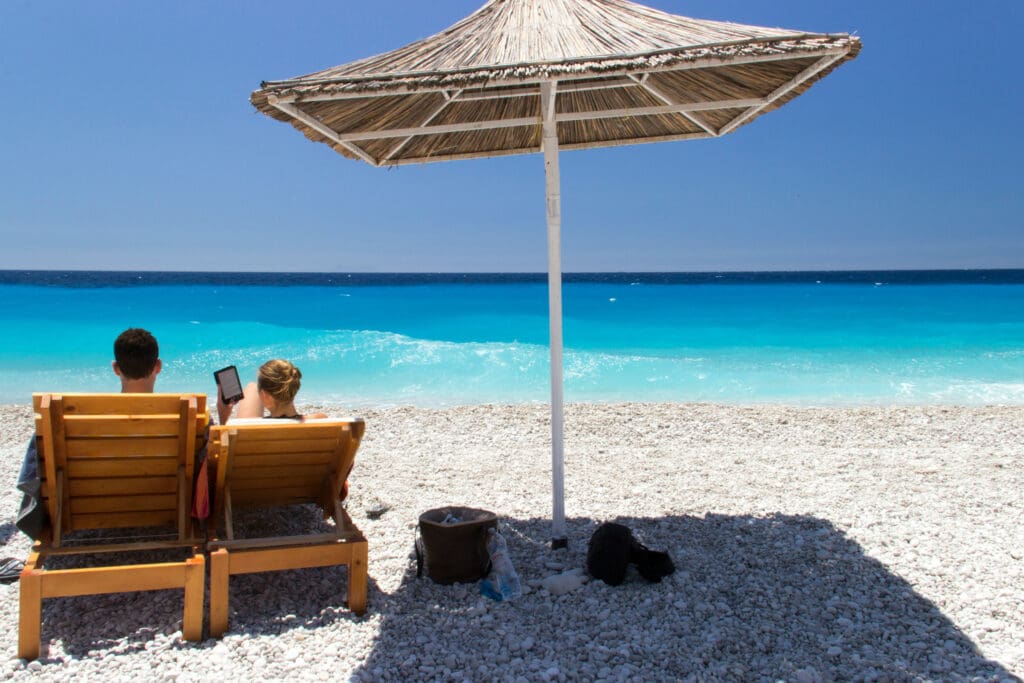
When planning a slow vacation at a coastal destination, you can rethink how you organize your days. Instead of scheduling several activities back to back, choose one main outing and leave the remaining time open. A morning walk might lead to a leisurely lunch, while another day might revolve around reading beside the water.
This flexibility also gives you room to reconsider plans when conditions change. Check local weather forecasts, beach notices, and activity-provider guidance before heading out. This is even more important when you have water-based excursions in mind. Book experiences that matter most, then protect some unscheduled time around them. A relaxed itinerary should support your priorities rather than become another rule to follow.
Choose Accommodations That Support Longer Stays
For an extended visit to a coastal city, assess accommodation as a temporary home rather than simply somewhere to sleep. A vacation rental is a better alternative to a hotel room as you get more privacy with less spending.
However, do your homework to ensure it matches your needs and expectations. Consider kitchen equipment, laundry facilities, reliable Wi-Fi, comfortable seating, and enough space for everyone’s daily routines. Check access to groceries and the beach rather than relying on a broad location description.
Compare the complete cost of weekly or monthly stays, including cleaning charges, utilities, deposits, and cancellation conditions. For example, travelers considering a winter escape to Florida can explore snowbird beach rental rates at Cape San Blas. The location is known for mild winters, making it popular for people looking for extended seasonal breaks.
Cape Escape Vacation Rentals highlights that Cape San Blas offers more than pristine beaches and amazing weather. Snowbirds love it for the sense of community and the opportunities for new experiences. Before booking an accommodation, confirming current pricing, availability, and individual property amenities makes sense.

Connect with Local Food, Culture, and Community
Staying longer in a coastal town lets you make local food and community activities part of your routine. However, you need to be open to culinary experiments. Rather than visiting a different restaurant at every meal, consider returning to a neighborhood bakery or exploring a market more than once.
Look for independent restaurants, locally owned shops, and public events that genuinely interest you. Check whether festivals, workshops, or seasonal gatherings welcome visitors, and follow any booking requirements or participation guidelines. You may even buy fresh produce and try some local recipes in your rental’s kitchen.
Use meals as an opportunity to have conversations about regional dishes and ingredients without expecting every interaction to become a cultural lesson. If you want to try seafood, ask what is available and how it is prepared. Approach the destination as someone’s home, not simply a backdrop for your holiday.
Make Room for Nature, Wellness, and Responsible Travel
According to a Ramona Magazine article, slow travel inherently fosters wellness. Unhurried experiences and moving with intention activate the parasympathetic nervous system. This nudges travelers into rest-and-digest mode, away from the fight-or-flight state people often live in. Moreover, a slower itinerary leaves room for simple outdoor experiences, such as watching birds, walking along the shore, or sitting quietly with a view.
Choose activities you enjoy rather than filling the space with another demanding program of self-improvement. Commit to making responsible decisions, such as following posted conservation rules, adhering to designated routes where required, and giving wildlife space. Before booking guided excursions, investigate the operator’s practices rather than relying only on environmental marketing.
Walking or cycling may suit nearby outings, but check distances, accessibility, and route safety first. Slow travel is not automatically sustainable, but the right transport choices, accommodation, and daily behaviour make a difference. Treat responsibility as part of the planning process, not a benefit guaranteed by staying longer.
FAQs
What is slow travel, and why does it differ from traditional vacations?
Slow travel prioritizes spending meaningful time in fewer places instead of moving quickly between numerous destinations. It leaves room for everyday experiences, repeated visits, and flexible plans. Unlike an itinerary centered on covering attractions, it allows travelers to organize their stay around personal interests, local exploration, and a comfortable rhythm.
Why are coastal destinations ideal for slow travel?
Coastal destinations can suit travelers who enjoy combining outdoor activities with unstructured time. A stay might include beach walks, village visits, local meals, and nature outings without requiring a different destination each day. Suitability still depends on the location, season, accessibility, and whether available activities match the traveler’s interests and needs.
How can travelers make an extended coastal vacation affordable?
Compare complete weekly and monthly accommodation costs rather than assuming longer bookings always provide better value. Consider quieter travel periods, prepare some meals where cooking facilities are available, and set a realistic transport budget. Include deposits, utilities, and cleaning fees in comparisons, then choose paid experiences selectively alongside suitable free activities.
Key Considerations for a Slow Coastal Vacation
| Travel factor | What to prioritize | Practical benefit |
| Local exploration | Hidden beaches, harbors and neighborhoods | More authentic experiences |
| Daily schedule | One main activity with flexible time | Less travel fatigue |
| Accommodation | Kitchen, laundry, Wi-Fi and monthly rates | Greater comfort during longer stays |
| Local experiences | Markets, independent restaurants and festivals | Better cultural connection |
| Nature and wellness | Beach walks, cycling and responsible excursions | Relaxation and environmental awareness |
| Budget | Compare rental fees, utilities and transport costs | Better control over travel expenses |
Slow travel offers a different way to plan a coastal holiday, with fewer transfers, more breathing room, and greater attention to the place around you. Its appeal lies less in doing nothing than in choosing deliberately how to spend your time. Longer stays still require sensible budgeting, attention to safety, and respect for the community and environment. With these foundations in place, the coast becomes more than a sequence of attractions.