


The historic Lorraine Motel is more than a Memphis landmark. It is a place where the history of the Civil Rights Movement becomes deeply personal, connecting visitors to the people, struggles and sacrifices that changed America.
Some places you visit as a traveler are beautiful. Others are fun. And then there are places that ask you to stop, listen and remember. The Lorraine Motel, now home to the National Civil Rights Museum in Memphis, Tennessee, is one of those places.
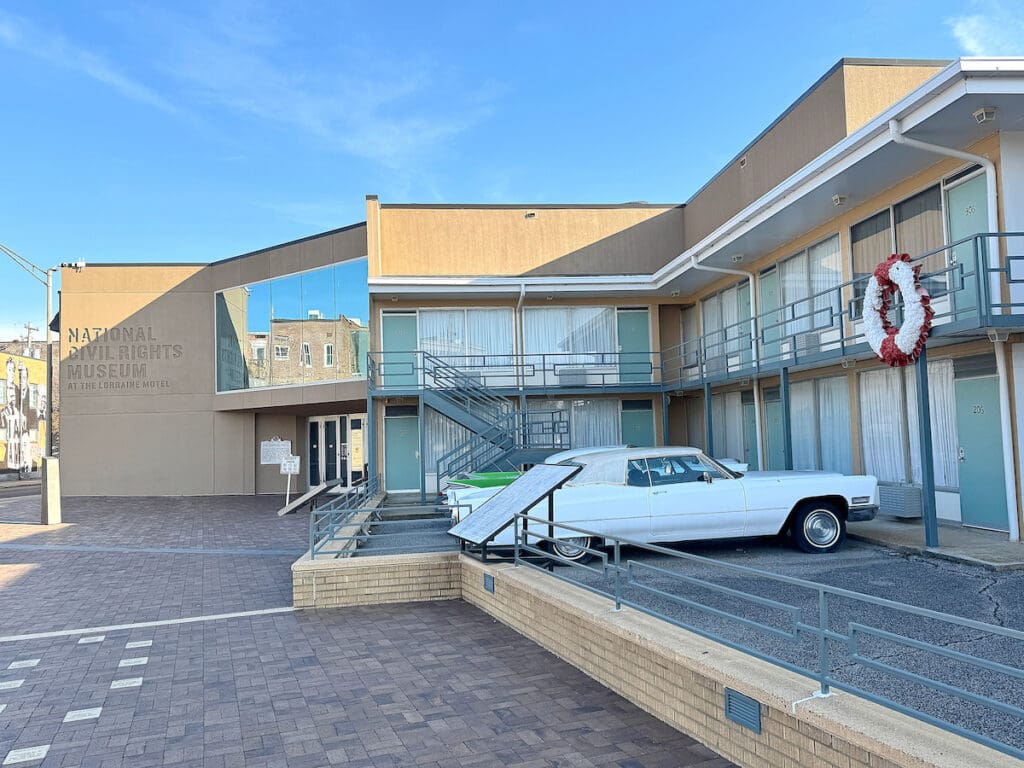
During our Mississippi River cruise aboard Viking Mississippi, we concluded our trip in Memphis and stayed for a few extra days. Our first stop was the National Civil Rights Museum. Located at the historic Lorraine Motel in the city’s South Main neighborhood, the museum chronicles the long struggle for civil rights while preserving the place where Dr. Martin Luther King Jr. was assassinated on April 4, 1968.
Walking through the museum is an emotional experience, but it is also an important history lesson—one that goes far beyond a single tragic day.
The History of the Lorraine Motel
Before becoming one of the most recognizable sites in the Civil Rights Movement, the property was a hotel serving African American travelers during segregation.
The original building dates to 1925. In 1945, African American businessman Walter Bailey purchased the property, which he renamed the Lorraine Motel after his wife, Loree, and the popular jazz song “Sweet Lorraine.” Bailey expanded the property over the years, adding rooms, a second floor, a swimming pool and drive-up parking.
During the Jim Crow era, finding safe and welcoming accommodations could be difficult for Black travelers. The Lorraine became an important destination and was listed in the Negro Motorist Green Book, which identified businesses and lodging establishments that welcomed African American travelers.
It also became a gathering place for musicians, entertainers, athletes and political figures. Guests included Louis Armstrong, Nat King Cole, Aretha Franklin, Otis Redding and other prominent performers.
The Lorraine’s history is therefore intertwined not only with the Civil Rights Movement but also with the cultural history of Memphis and the development of Black music in America.
Dr. King and the Memphis Sanitation Strike
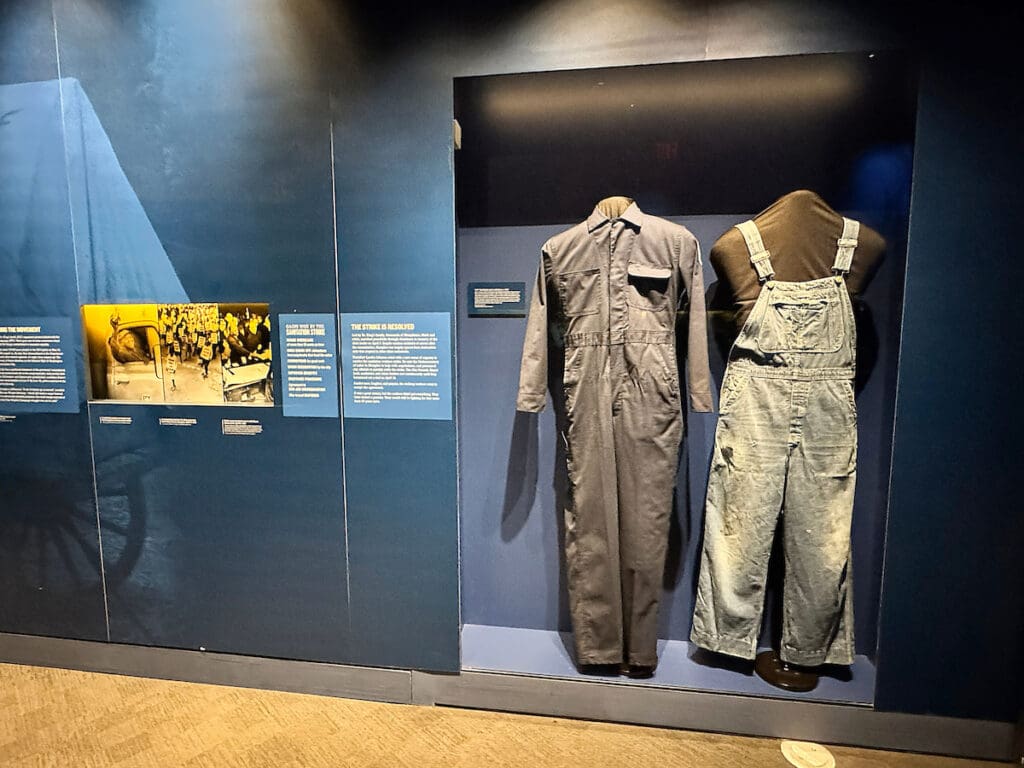
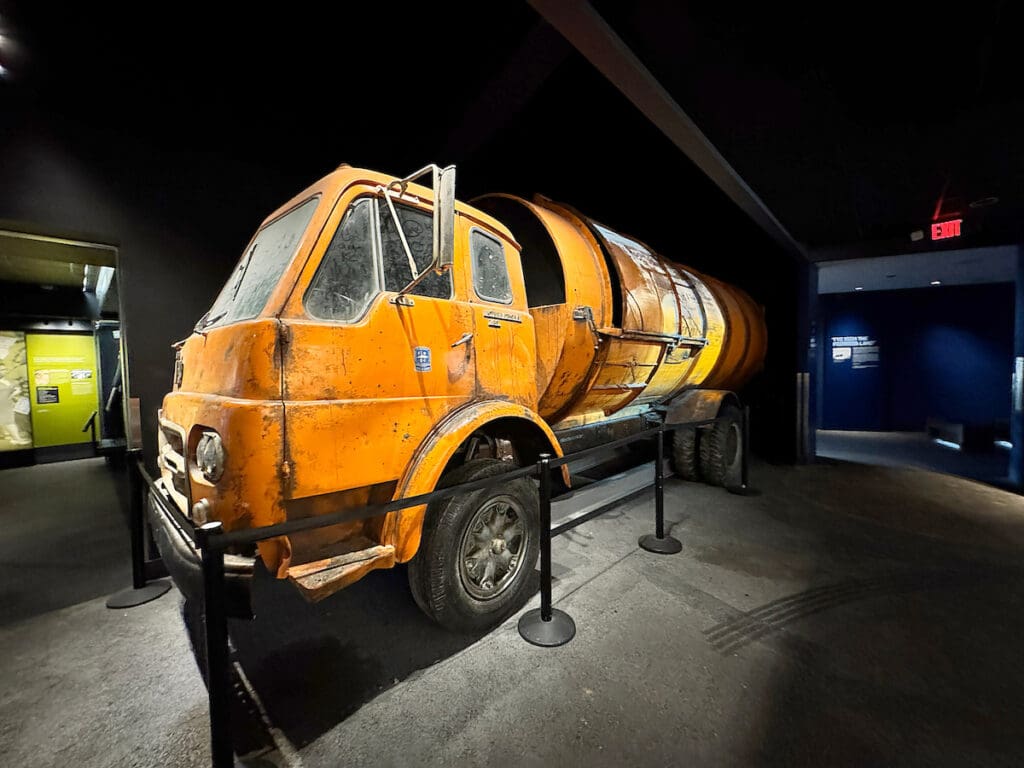
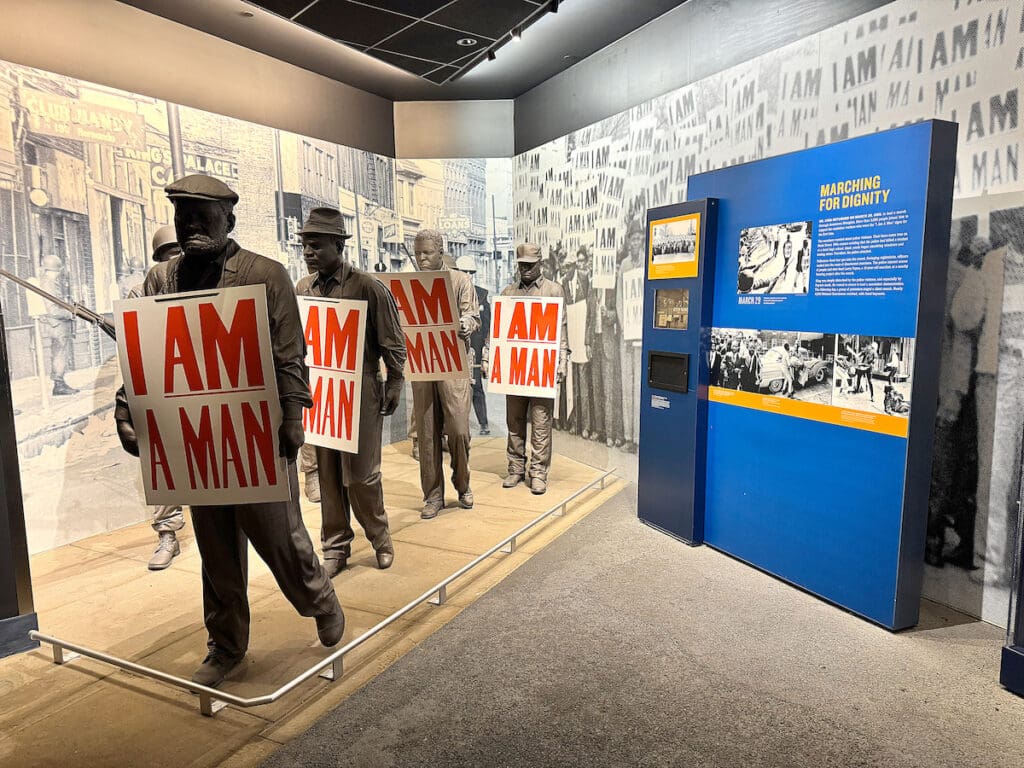
Dr. Martin Luther King Jr. stayed at the Lorraine Motel several times, including during his visits to Memphis in 1968 to support striking sanitation workers. The sanitation workers were fighting for better pay, safer working conditions and dignity on the job. King came to Memphis to support their cause and was working to organize a larger movement around the strike.
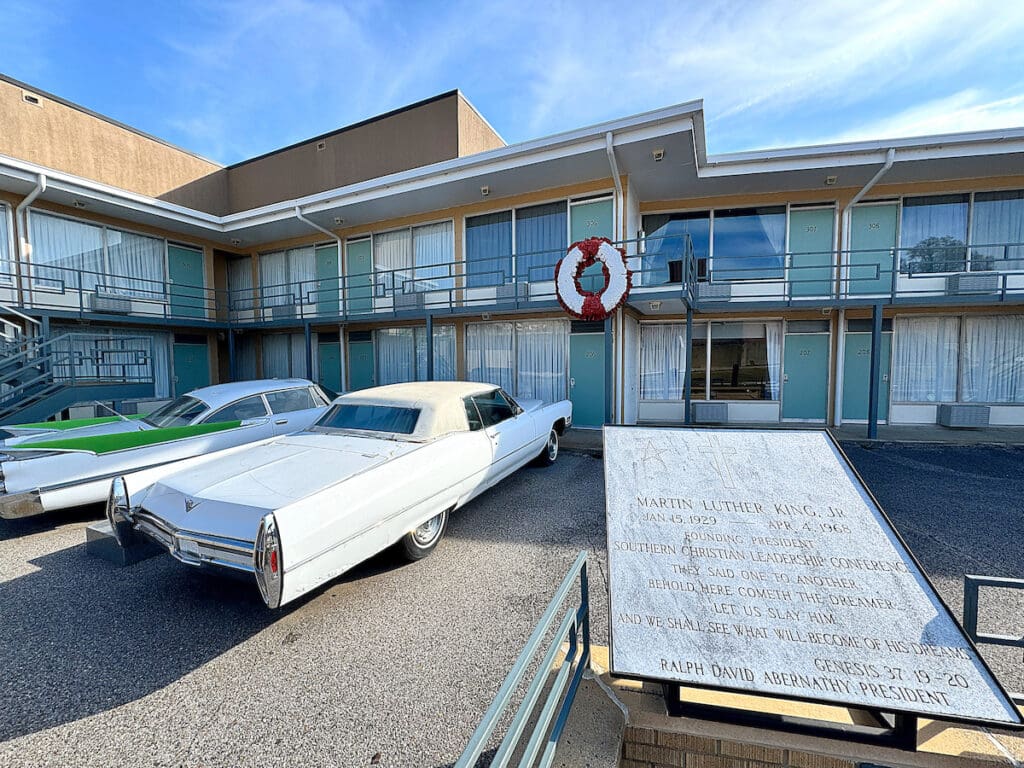
On April 3, 1968, King delivered his famous “I’ve Been to the Mountaintop” speech at Mason Temple. The following afternoon, he was standing on the balcony outside Room 306 at the Lorraine Motel when he was assassinated. That balcony is still there. And seeing it in person is difficult to describe.
Room 306
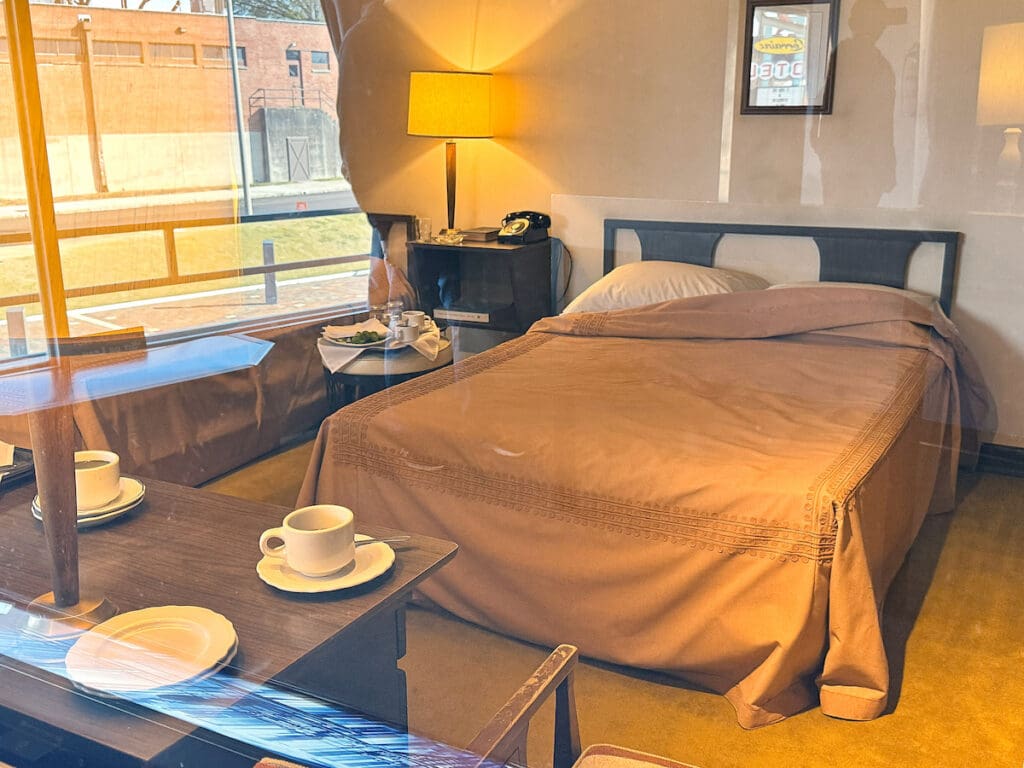
One of the most powerful moments of a visit is seeing Room 306, where King stayed. Visitors cannot enter the room, but can look inside and see the preserved space. The room and balcony remain remarkably tangible reminders of the final hours of King’s life.
The museum’s presentation of King’s final day helps put the tragedy into context rather than simply presenting it as an isolated historical event. His activities, the people around him and the events happening in Memphis all lead visitors toward that final moment.
A guest book from the Lorraine Motel is another remarkable artifact. The 1968 book documents guests staying at the motel on April 4, including civil rights leaders such as Andrew Young, Jesse Jackson and Reverend Kyles. King himself was not listed for security reasons.
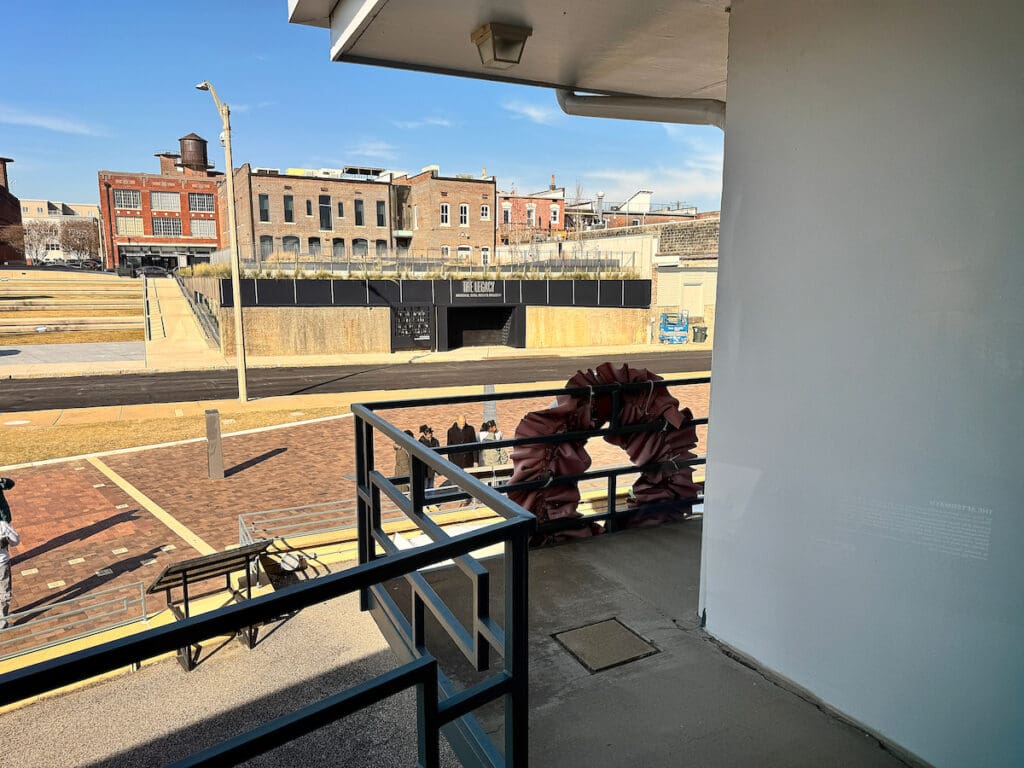
Standing in the same location where those people were gathered makes the history feel remarkably immediate.
Beyond One Moment in History
Although the Lorraine Motel is the emotional centerpiece, the National Civil Rights Museum tells a much larger story.
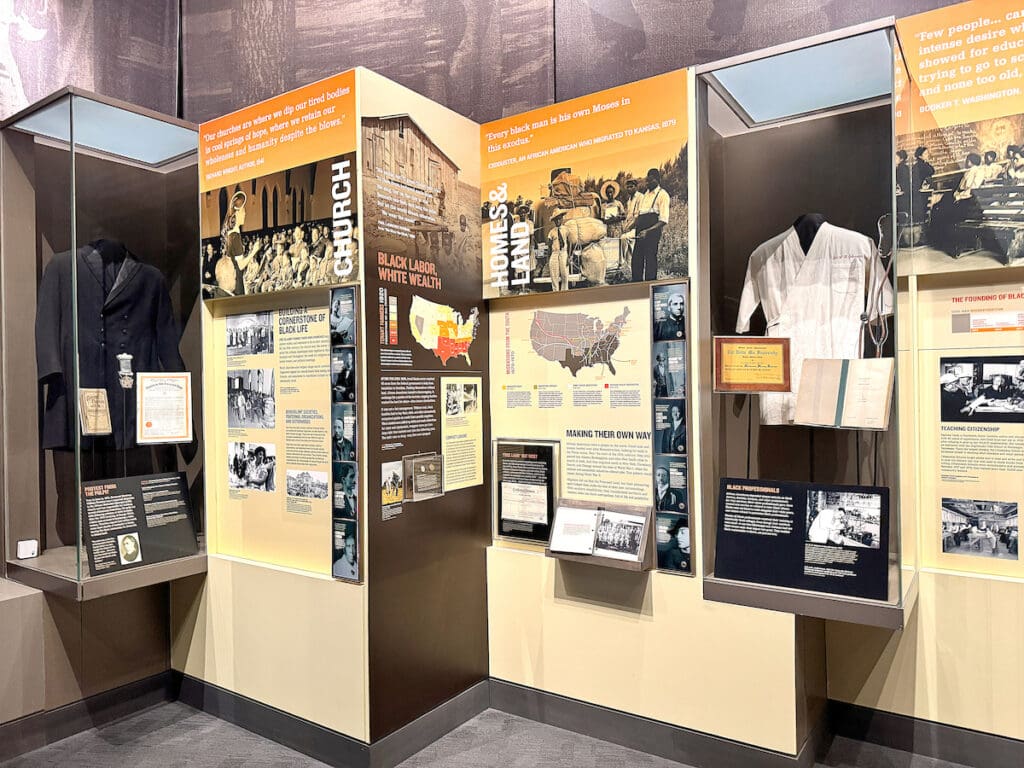
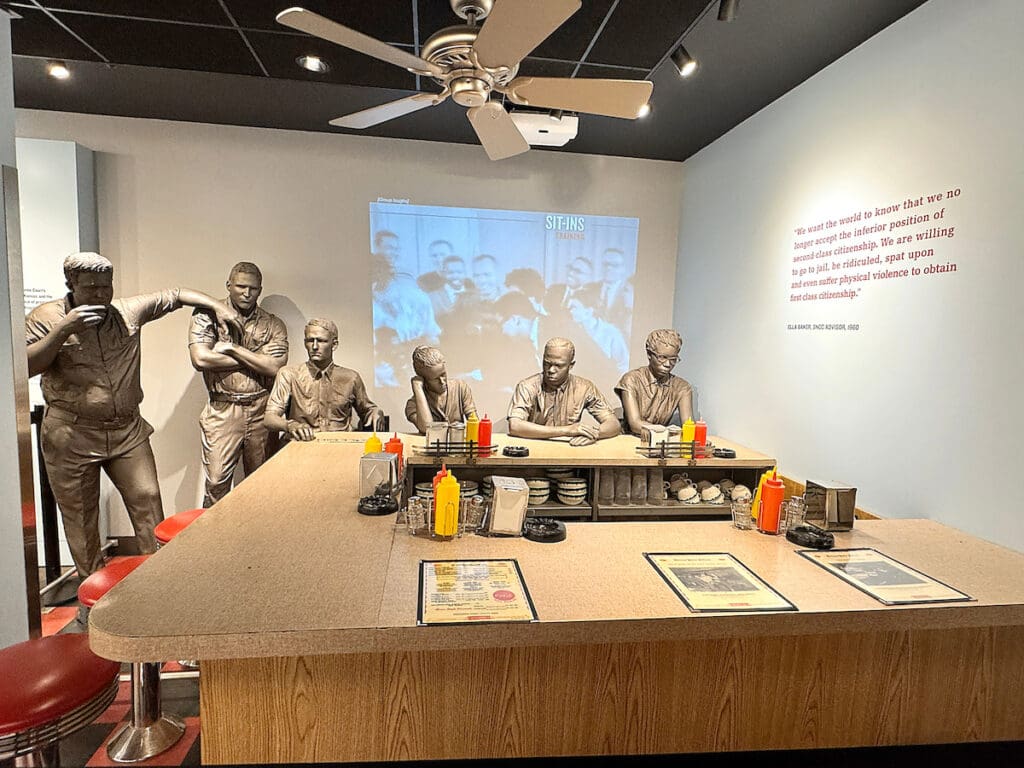
The exhibits trace the history of African Americans from slavery and segregation through the Civil Rights Movement and into the continuing struggle for equality and human rights. Interactive displays, artifacts, films and personal accounts help tell the stories of people who fought against injustice.
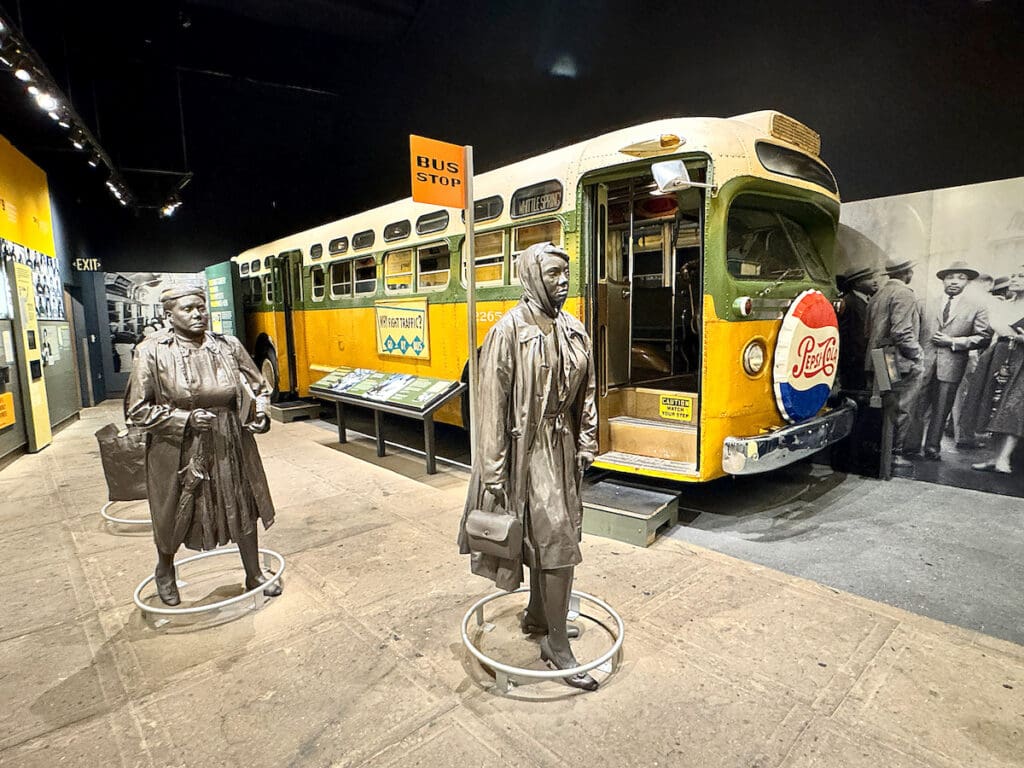
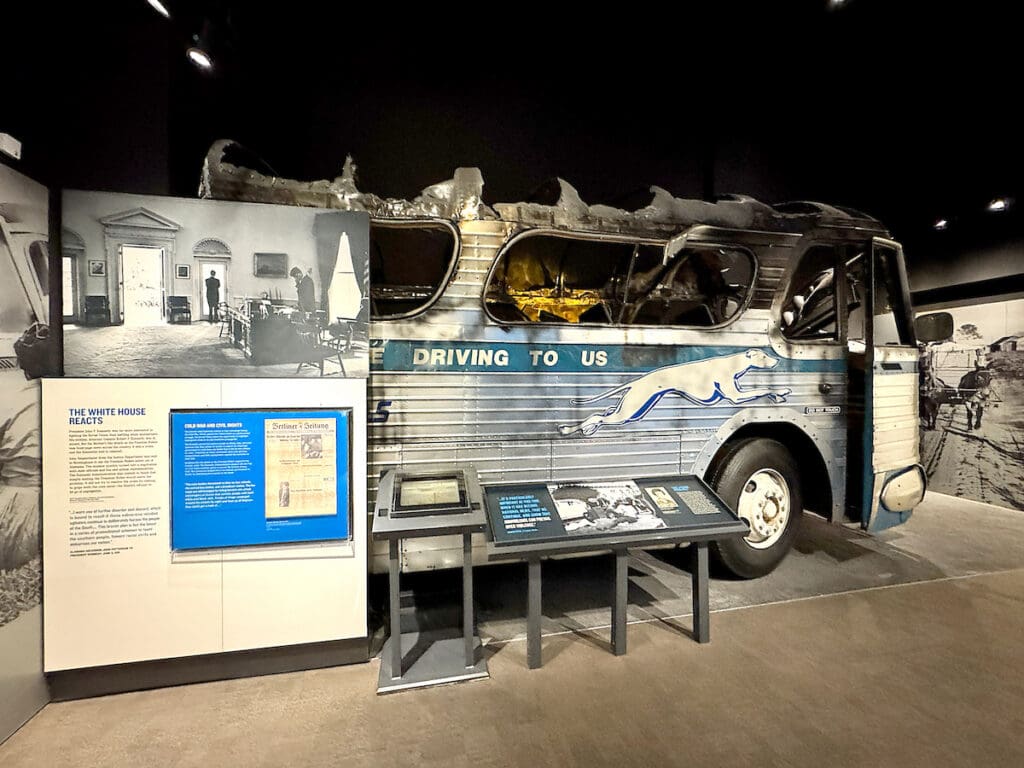
Among the memorable exhibits is The Year They Walked, which explores the Montgomery Bus Boycott and includes a life-size bus that visitors can enter. Other displays examine the Freedom Rides, voting rights, segregation and the broader fight for equality.
The museum’s strength is that it doesn’t reduce the Civil Rights Movement to a handful of famous names. Instead, it shows how ordinary people participated in extraordinary events.
A Museum That Continues the Story
The National Civil Rights Museum opened in 1991, transforming the former Lorraine Motel into a place of education and remembrance. A major renovation in 2013 and 2014 added more than 40 new films, oral histories and interactive media.
Today, the experience continues beyond 1968 through the museum’s Legacy Experience, which explores how the Civil Rights Movement influenced subsequent struggles for human rights and equality. The reimagined experience opened in 2026 and brings the story into the present day.
That continuation is important because the museum isn’t simply asking visitors to remember what happened. It encourages us to think about what happened next—and what still needs to happen.
Visiting the Lorraine Motel
The preserved Lorraine Motel exterior remains one of the most recognizable sights in Memphis. The turquoise-and-yellow motel sign, the vintage cars and the balcony outside Room 306 create a powerful visual connection to the past.
But this is not simply a photo stop. The Lorraine Motel is a place to slow down and absorb the history. Give yourself several hours if possible, particularly if you want to explore both the original museum galleries and the Legacy Experience.
For travelers visiting Memphis, the National Civil Rights Museum at the Lorraine Motel should be much more than another item on an itinerary. It is a place to learn about the people who challenged segregation, stood up for equality and changed the course of American history.
And when you finally stand outside Room 306 and look toward that balcony, the significance of the place becomes unmistakable.
The Lorraine Motel isn’t just where history happened.
It is a place where history is preserved so that we don’t forget.