


Director Kitao Sakurai returns to his Cleveland roots for a special preview of the new Street Fighter movie at the Cleveland Institute of Art Cinematheque
There was something especially fitting about watching the new Street Fighter movie in Cleveland with its director sitting just a few rows away.
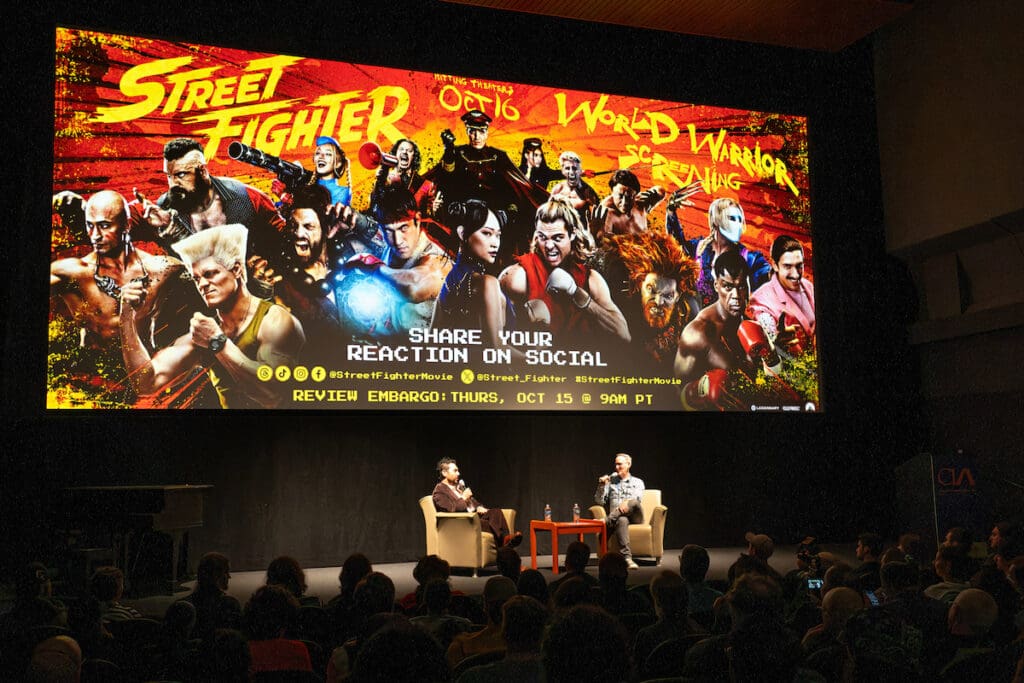
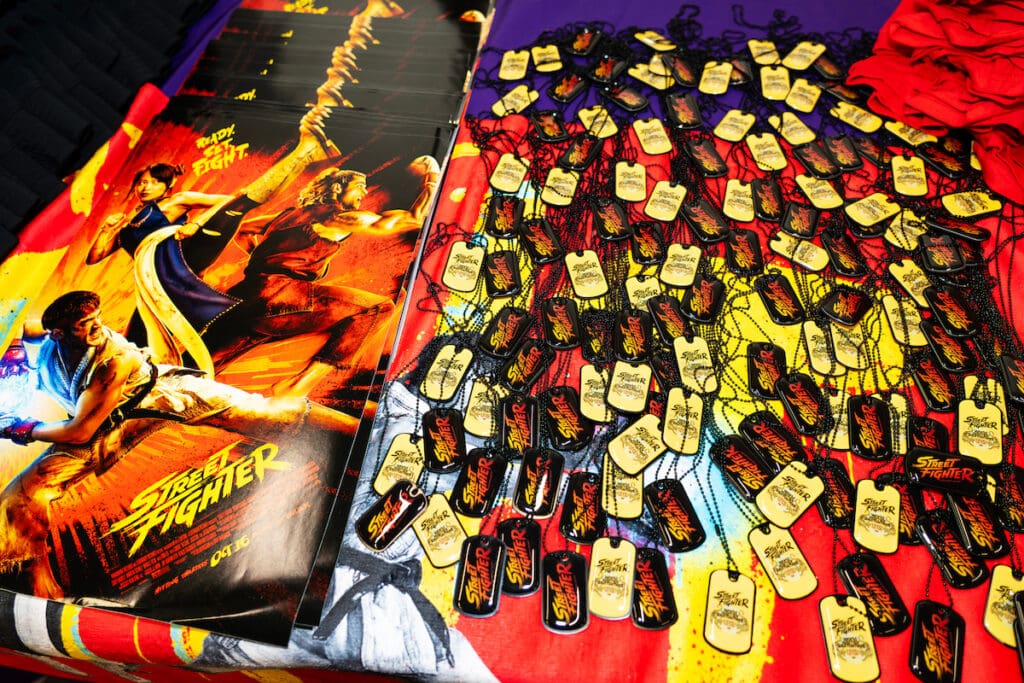
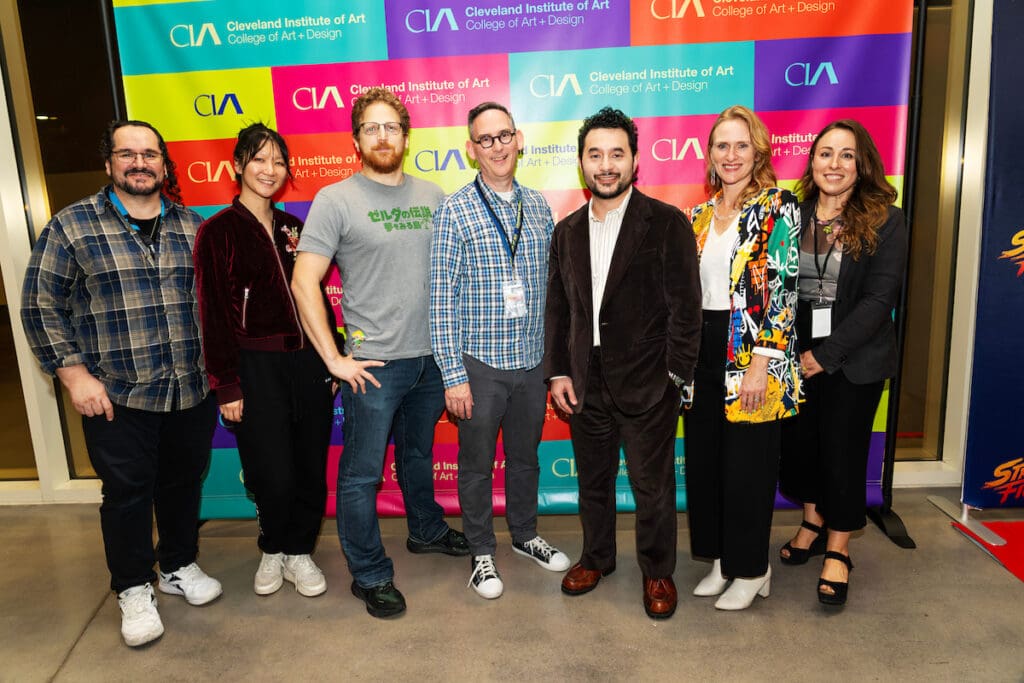
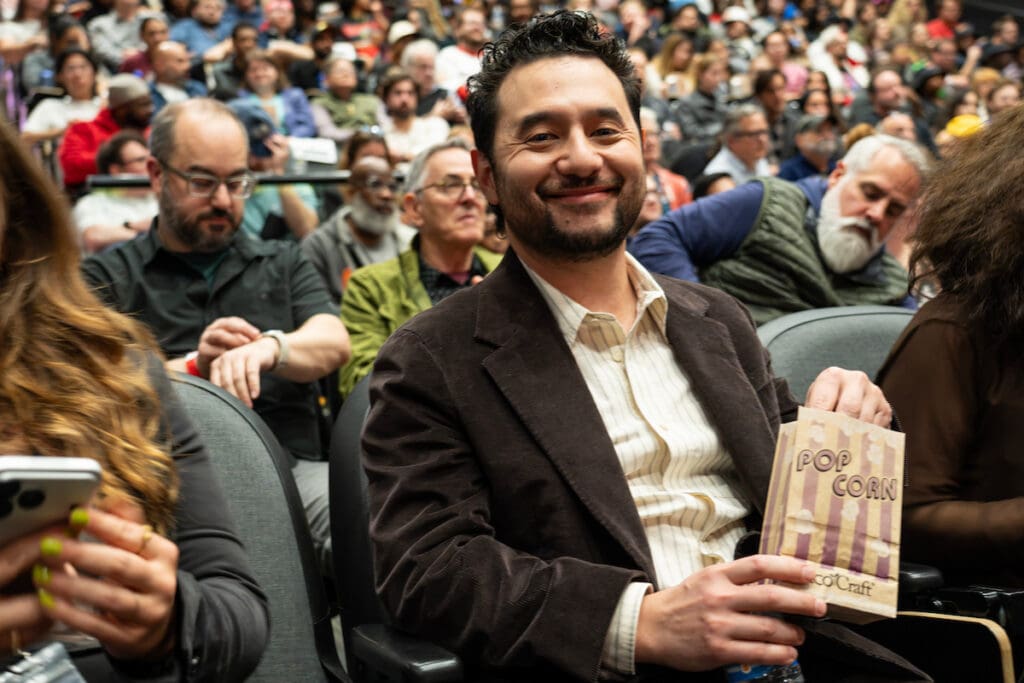
For Cleveland native Kitao Sakurai, the Cleveland Institute of Art Cinematheque wasn’t simply another movie theater. It was where he discovered many of the films and filmmakers who would eventually influence his own career. Now, decades after watching movies like Akira, Ghost in the Shell and Jet Li films there, Sakurai returned to the Cinematheque for a special preview screening of his new Street Fighter movie — followed by a Q&A with Cinematheque director David Huffman. The experience made the screening feel like more than a movie preview. It was a homecoming.
Street Fighter opens in theaters today and Paramount brings Capcom’s legendary fighting game franchise back to the big screen. The film has an all star cast with Noah Centineo as Ken Masters, Andrew Koji as Ryu and Callina Liang as Chun-Li, with David Dastmalchian as M. Bison, Cody Rhodes as Guile, Roman Reigns as Akuma, Jason Momoa as Blanka, Orville Peck as Vega and 50 Cent as Balrog.
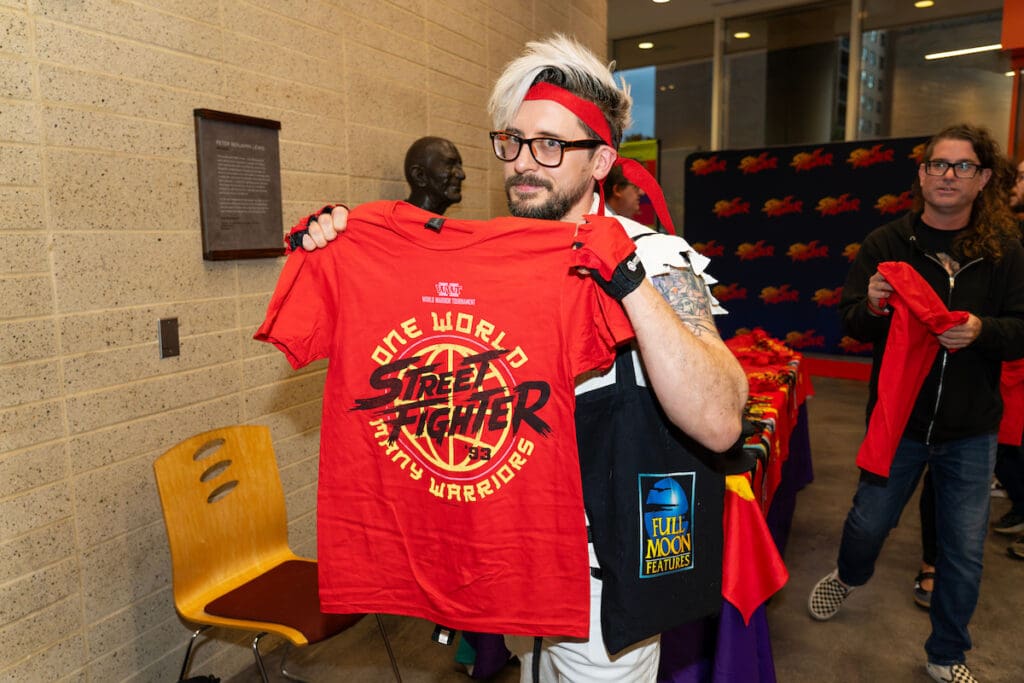
A Street Fighter Movie That Embraces the Weird
If you remember Street Fighter II from the arcade era, this movie is clearly made by someone who remembers what made the game fun. Sakurai doesn’t attempt to turn Street Fighter into a serious, grounded martial-arts drama. Instead, he embraces the colorful characters, exaggerated personalities, outrageous costumes, ridiculous situations and sheer weirdness of the original game.
And there is a lot of weirdness – in a good way.
The story follows estranged fighters Ryu and Ken as Chun-Li brings them into the World Warrior Tournament. Behind the tournament is a much larger conspiracy involving M. Bison, while familiar characters including Guile, Akuma, Dhalsim, Blanka, Balrog, Vega and others enter the increasingly chaotic mix.
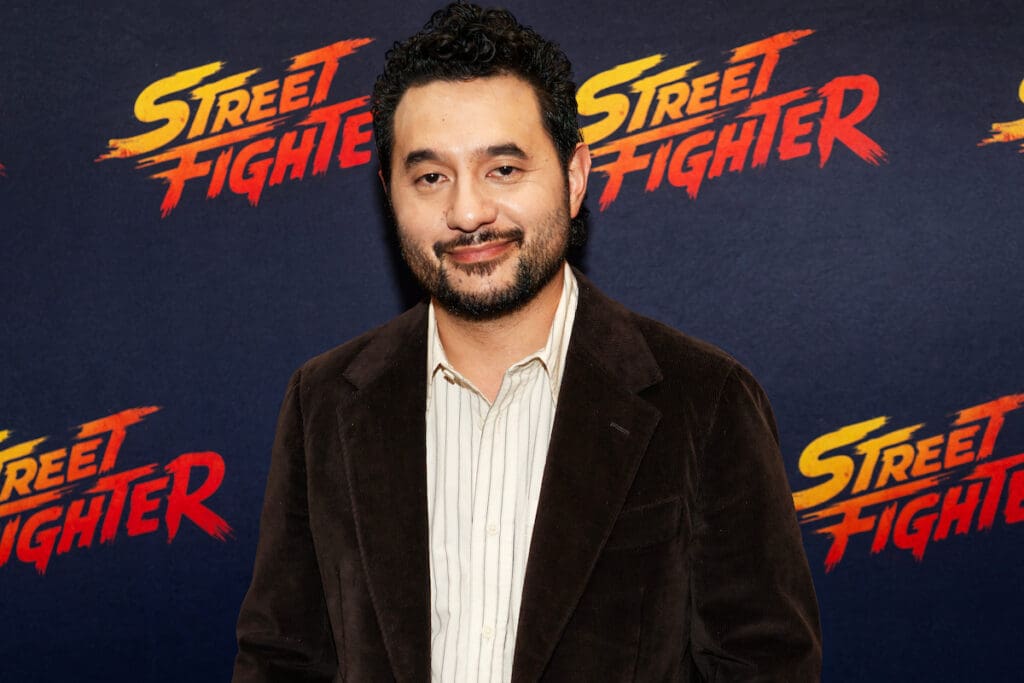
The movie feels like a live-action version of an arcade game that somehow escaped the screen. For longtime fans, part of the fun is recognizing the characters and watching how closely the performers embody their video-game counterparts. Cody Rhodes’ enormous Guile hairstyle, for example, is impossible to miss. And yes, it is his real hair.
The cast is intentionally eclectic, combining traditional actors with professional wrestlers, musicians, comedians and martial artists. That includes Orville Peck as Vega, 50 Cent as Balrog, Roman Reigns as Akuma and Jason Momoa as Blanka.
Sakurai told the Cinematheque audience that everyone arrived wanting to be part of the movie, and that there were “zero egos involved.” He described the cast dynamic as having an almost family-like quality and said bringing such a diverse group of performers together became one of the most satisfying parts of making the film.
A ’90s Movie Made in 2026
One of the movie’s strongest characteristics is its unapologetic ’90s personality. The colors, costumes, music, animation and overall aesthetic feel like a memory of the decade rather than an attempt to recreate one particular day in 1993.
That was intentional. Sakurai explained during the Q&A that he wanted to create an “impression of the ’90s” rather than an exact historical recreation. He described it as almost an alternate universe — the way we remember the ’90s rather than a precise recreation of the decade.
That approach works particularly well with Street Fighter, a franchise that was already deeply connected to arcade culture, anime and the visual language of the era.
Sakurai said he wanted to do the opposite of the traditional Hollywood approach of smoothing out the strange parts of a video game adaptation. Instead, he wanted to lean into what made the game unusual. That philosophy is evident throughout the movie.
Animation Adds Another Layer
One of the most interesting creative decisions is the use of hand-drawn animation. Rather than using conventional live-action flashbacks with younger actors, Sakurai and his team decided to incorporate animation. He said the original idea was not nearly as integrated into the movie as it eventually became, with editor Shane Reed helping pioneer the way the animated sequences were used.
The connection to anime made sense for Sakurai, who grew up watching Japanese animation and later discovered films such as Ghost in the Shell at the Cinematheque. He told the audience that every frame of animation in Street Fighter was drawn by hand. Those sequences provide some of the movie’s most distinctive visual moments and help bridge the gap between the video game, anime and live-action worlds.
The Cleveland Easter Eggs
For Cleveland audiences, there is another reason to pay attention. Throughout Street Fighter, Sakurai tucked in small reminders of home. The West Side Market and Terminal Tower make appearances, giving Clevelanders a chance to spot familiar landmarks among the movie’s international locations and larger-than-life action.
They aren’t necessarily screaming “CLEVELAND!” at the audience. Instead, they’re little breadcrumbs — the kind of details that might make someone from Northeast Ohio stop and say, “Wait, was that…?” During the Q&A, Huffman pointed out the Cleveland Easter eggs and asked the audience if they had noticed them.
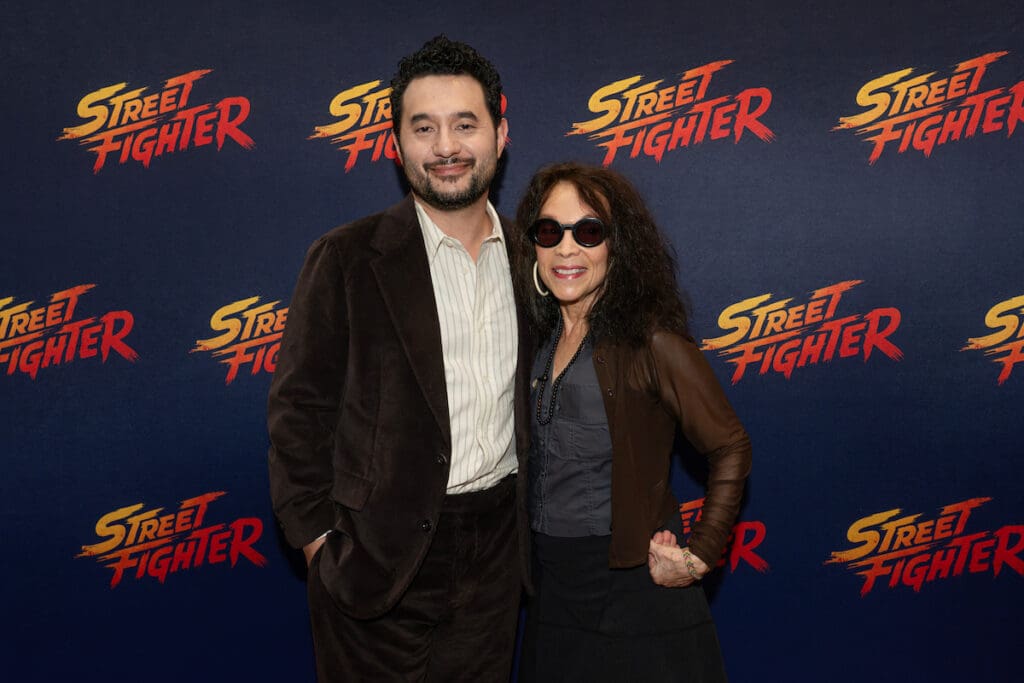
Sakurai has explained that including personal details from Cleveland was important because the city was where his career and love of movies began. He grew up in Cleveland Heights, attended University School and became a regular at the Cinematheque. That history made the evening particularly special.
From the Cinematheque to Hollywood
Before becoming known for directing The Eric Andre Show and the Netflix comedy Bad Trip, Sakurai was a Cleveland kid fascinated by movies.
During the Q&A, he recalled coming to the Cinematheque to see films including Akira and Ghost in the Shell, as well as Jet Li movies. He even joked about choosing a Robert Altman retrospective at the Cinematheque over studying for his high school finals. “I chose Altman and ended up not going to college,” he told the audience, before quickly adding, “But you should.”
It was an amusing story, but it also provided a glimpse into how much the Cinematheque influenced the filmmaker he eventually became. The theater is currently celebrating Sakurai’s connection to Cleveland with a series featuring films that inspired him, including Ghost in the Shell and Drunken Master II.
Building the Fight Scenes
For a movie called Street Fighter, the fight sequences have an enormous amount of responsibility. Sakurai explained that creating them required extensive planning. He worked with storyboard artist David Coleman and stunt coordinator and second-unit director John Valera to develop the fights, filming rough versions and editing them before refining the sequences.
He ultimately organized individual shots into a Google Slides presentation, essentially creating a visual checklist for production. But one of his most interesting comments was that creating great fight scenes isn’t simply about figuring out everything you can shoot. It is also about deciding what you shouldn’t shoot.
Sakurai said the goal was to find the minimum number of essential shots needed to tell the story without sacrificing the quality of each one. He also wanted every fight to have its own identity. The rainy alley fight should feel different from the steam room fight or the club fight. Each needed its own “flavor” and a beginning, middle and end. That attention to structure is one of the things that helps keep the action from becoming one long blur of punches, kicks and special effects.
A Few Surprises for Street Fighter Fans
Sakurai also revealed that some of the movie’s Easter eggs came together organically. During production, someone was watching the 1994 Jean-Claude Van Damme Street Fighter movie between setups. The crew noticed Ken and Ryu wearing some particularly memorable outfits and decided to incorporate them into the new movie.
That willingness to have fun is probably the best way to approach this version of Street Fighter. It isn’t trying to pretend the source material isn’t colorful, strange and occasionally ridiculous. It celebrates those qualities.
Even the decision to hold back some of the game’s biggest special moves was deliberate. Sakurai explained that an energy attack such as the Hadouken needed to have emotional weight. If characters were constantly throwing energy balls throughout the movie, the moments would lose their impact.
Is It a Perfect Knockout?
The movie is intentionally loud, campy, chaotic and packed with characters. For me, the appeal is in the fact that Sakurai clearly understands that Street Fighter doesn’t need to be embarrassed about being Street Fighter. The movie is a colorful, nostalgic, sometimes ridiculous celebration of a game that defined arcade culture for an entire generation. The hand-drawn animation, elaborate fight sequences, unexpected casting and ’90s aesthetic make it feel very different from the increasingly polished and predictable world of franchise filmmaking.
And seeing it in Cleveland — with Sakurai sitting in the same theater where he once discovered the movies that inspired him — added an entirely different layer to the experience.
At the end of the Q&A, someone inevitably asked about a sequel. Sakurai said there are no definitive plans yet, but acknowledged that it is something they are thinking about.
For now, whether you’re a lifelong Street Fighter player or simply looking for a colorful, over-the-top action movie, this new version is best approached with the same spirit Sakurai brought to the project: embrace the weirdness, enjoy the ride and don’t take it too seriously.
And if you’re watching from Cleveland, keep your eyes open. You may recognize a few pieces of home hiding in the middle of the fight.