


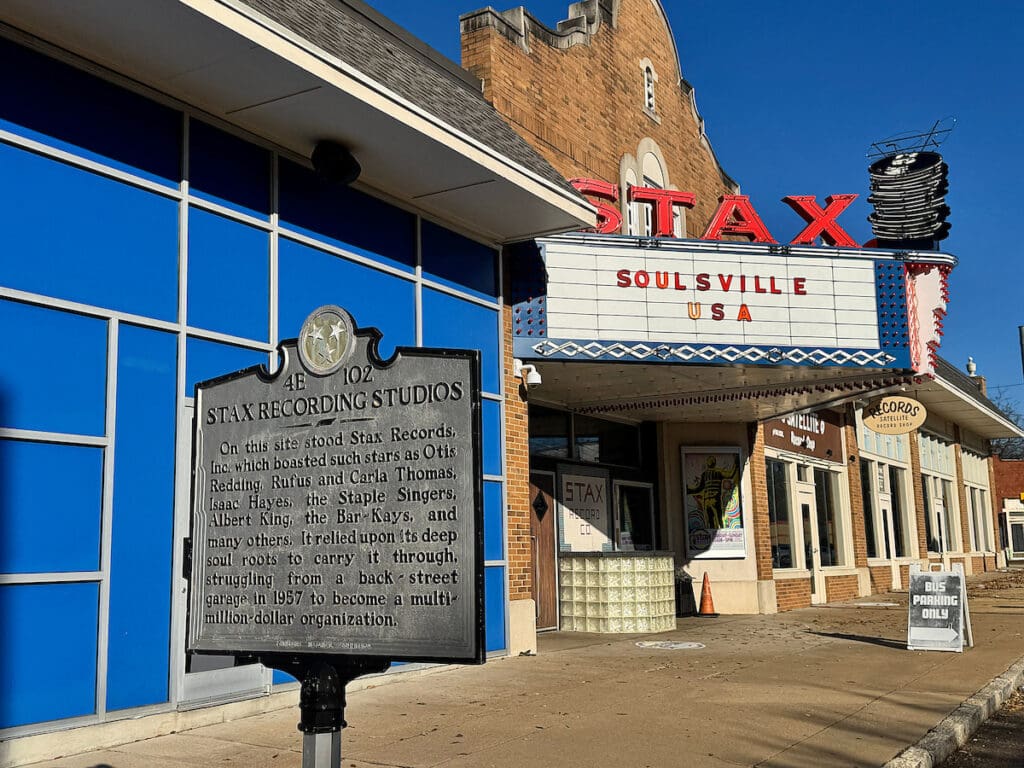
In Memphis, music history is around every corner, but few places tell the story of the city’s soul music legacy quite like the STAX Museum of American Soul Music. Located on McLemore Avenue in the historic Soulsville neighborhood, the museum stands on the same site where the legendary Stax Records once recorded some of the most influential soul music of its era.
For music lovers visiting Memphis, the STAX Museum offers an opportunity to step inside the story of a record label that helped define American soul music while exploring the artists, musicians and community that made it possible.
From Satellite Records to Stax
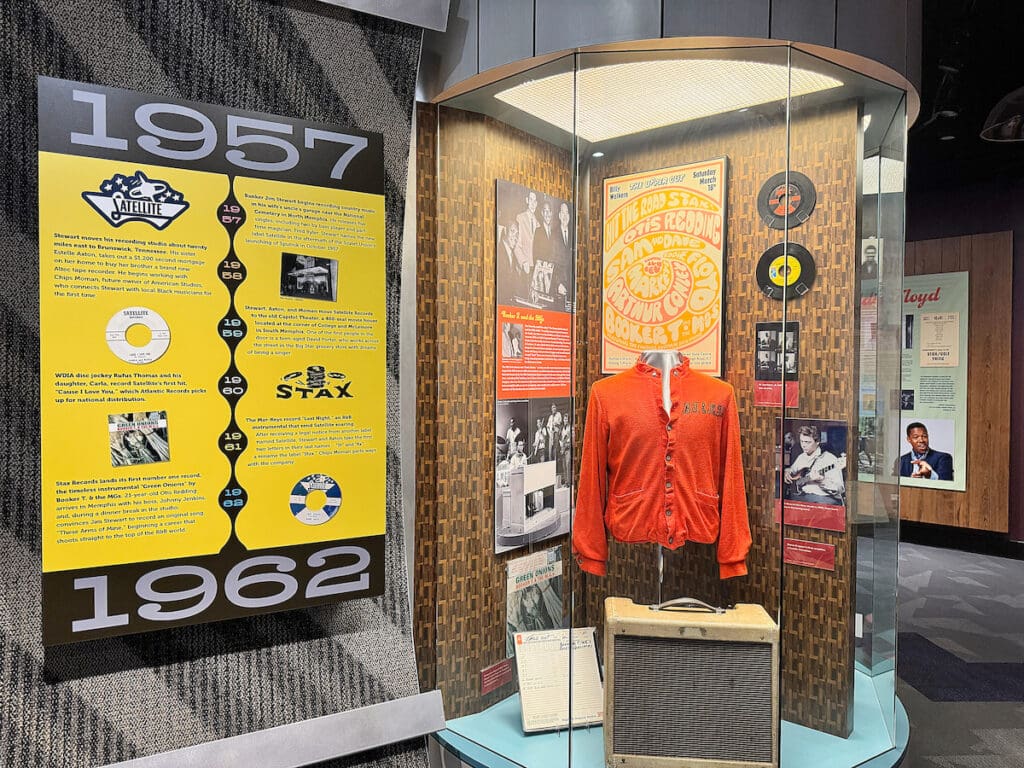
The story begins in 1957, when Memphis banker and aspiring record producer Jim Stewart launched Satellite Records in Brunswick, Tennessee. Stewart’s older sister, Estelle Axton, soon became an important partner in his dream. Determined to help improve the label’s recording equipment, Axton mortgaged her home—not once, but twice—to help finance better equipment.
In 1960, Stewart and Axton combined their names to create the now-famous STAX Records. The company eventually moved into a former movie theater on McLemore Avenue in Memphis, the site where the museum stands today.
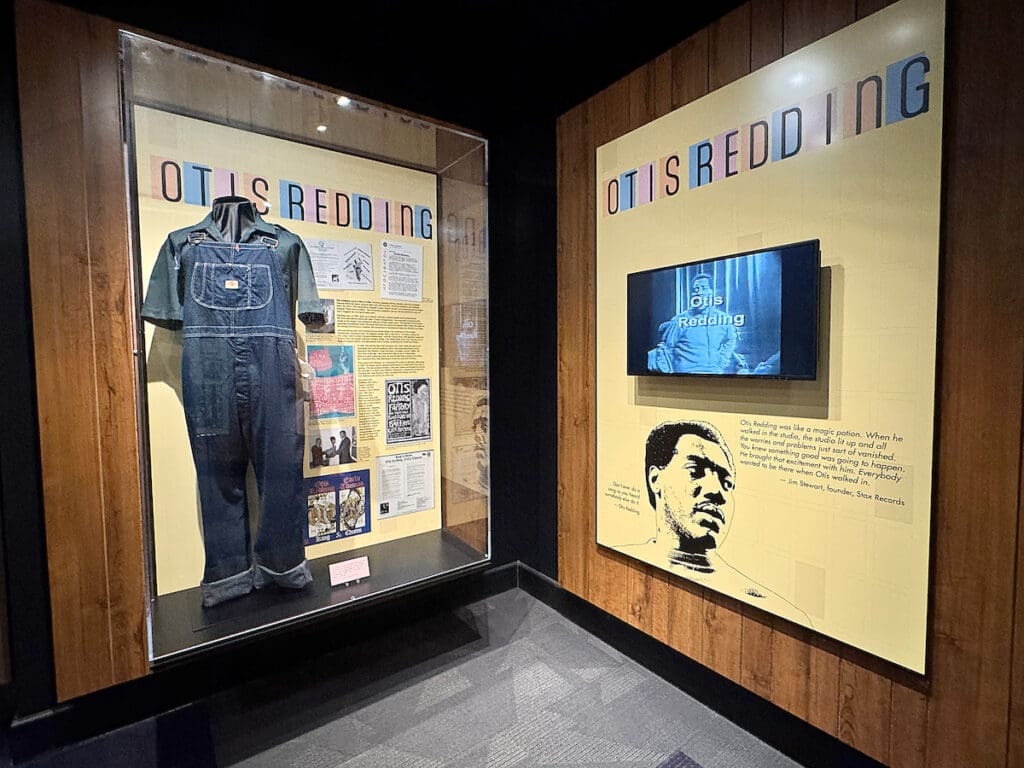
Stax quickly became a powerhouse of soul music, releasing hits from artists including Carla Thomas, Otis Redding, Booker T. & the M.G.’s and the Mar-Keys. As the label grew, Stewart left his banking career behind to devote himself fully to Stax.
The Rise and Fall of a Soul Music Giant
Stax’s success came during a turbulent period in American history. The label’s growth coincided with the Civil Rights Movement, while changing relationships within the music industry created additional challenges.
The tragic death of Otis Redding in a 1967 plane crash was a devastating loss for the label. STAX also saw its relationship with Atlantic Records deteriorate, forcing the company to rebuild its catalog and establish itself as an independent label.
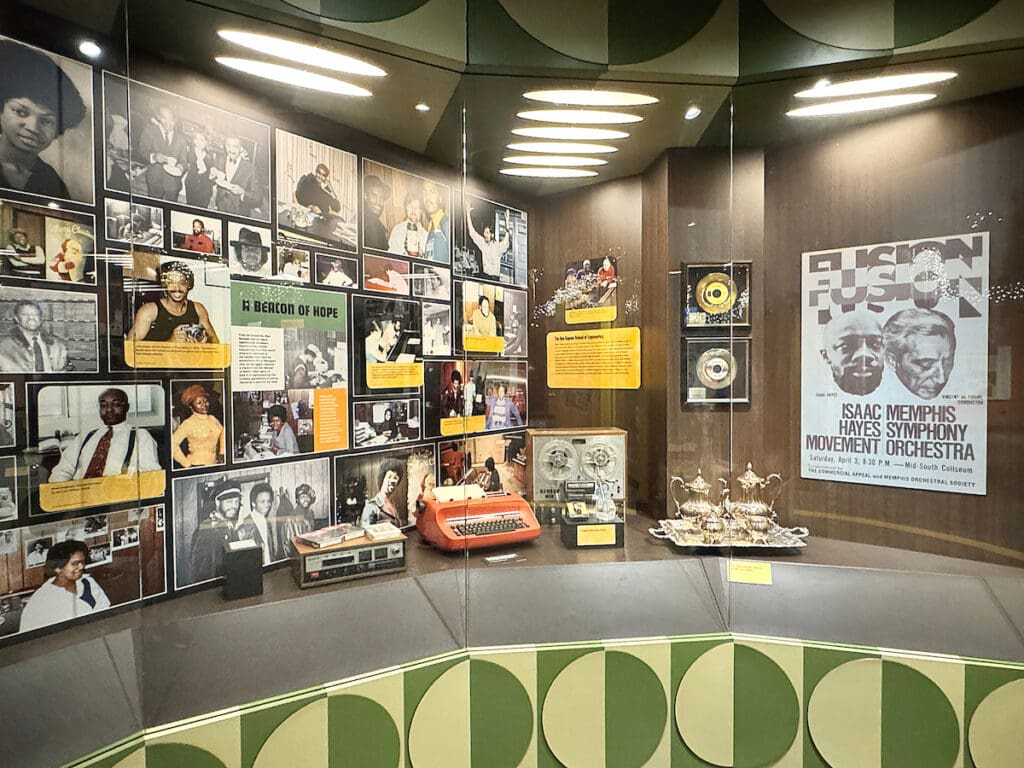
In 1969, new leadership took over and began rebuilding STAX’s catalog. The period that followed became known as the Soul Explosion, with the label producing an extraordinary 30 singles and 27 albums in just eight months.
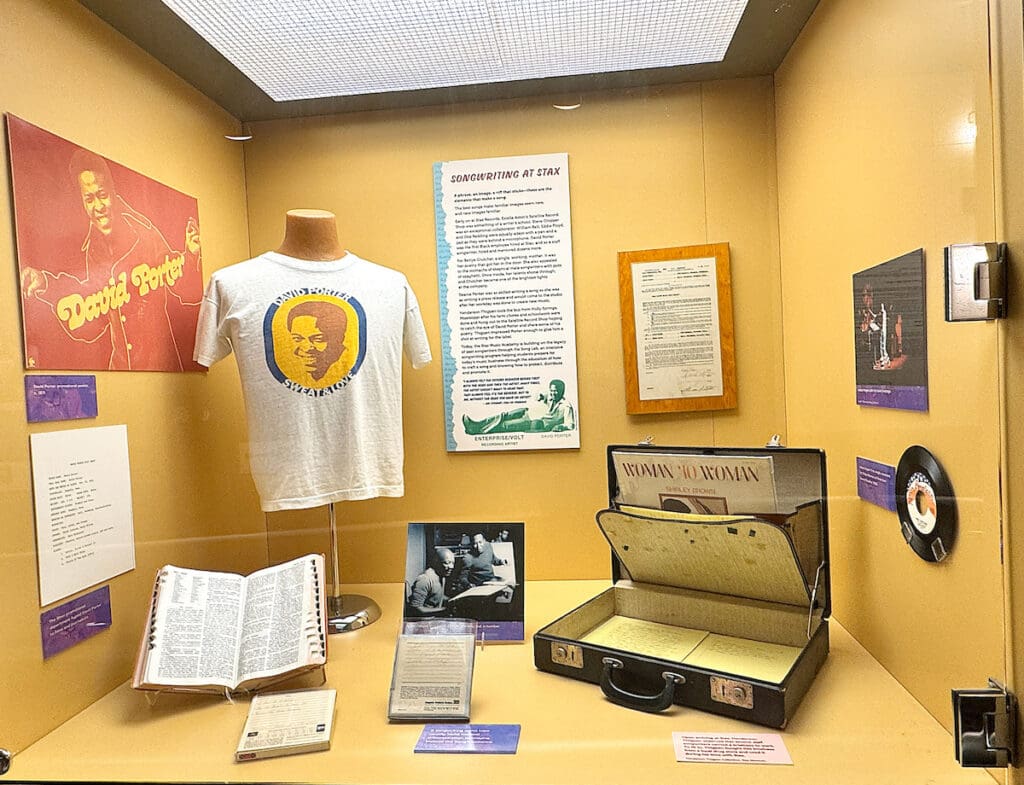
Despite the incredible output, financial troubles eventually caught up with the company. Following an IRS dispute and the collapse of a deal with CBS in 1972, STAX filed for bankruptcy. The company’s remaining recordings were eventually sold to Fantasy Records, which later worked to revive the Stax name and catalog.
Step Inside the Stax Museum
The original STAX recording studio was eventually demolished, but the musical legacy of the label lives on. In 2003, the Soulsville Foundation opened the STAX Museum of American Soul Music on the historic site, creating what was described as the first museum dedicated to
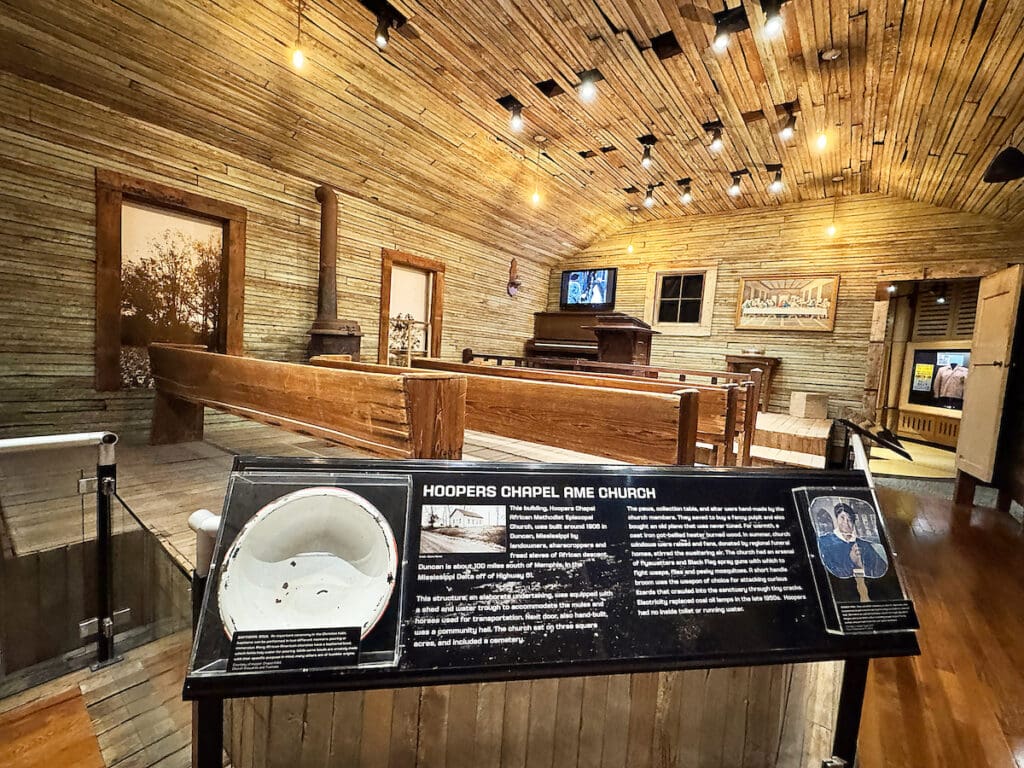
The self-guided experience begins with a short film introducing visitors to the history of Soulsville. The film is presented inside a replica of a 1906 Mississippi Delta country church, highlighting the important connection between gospel music, the African American church and the development of soul.
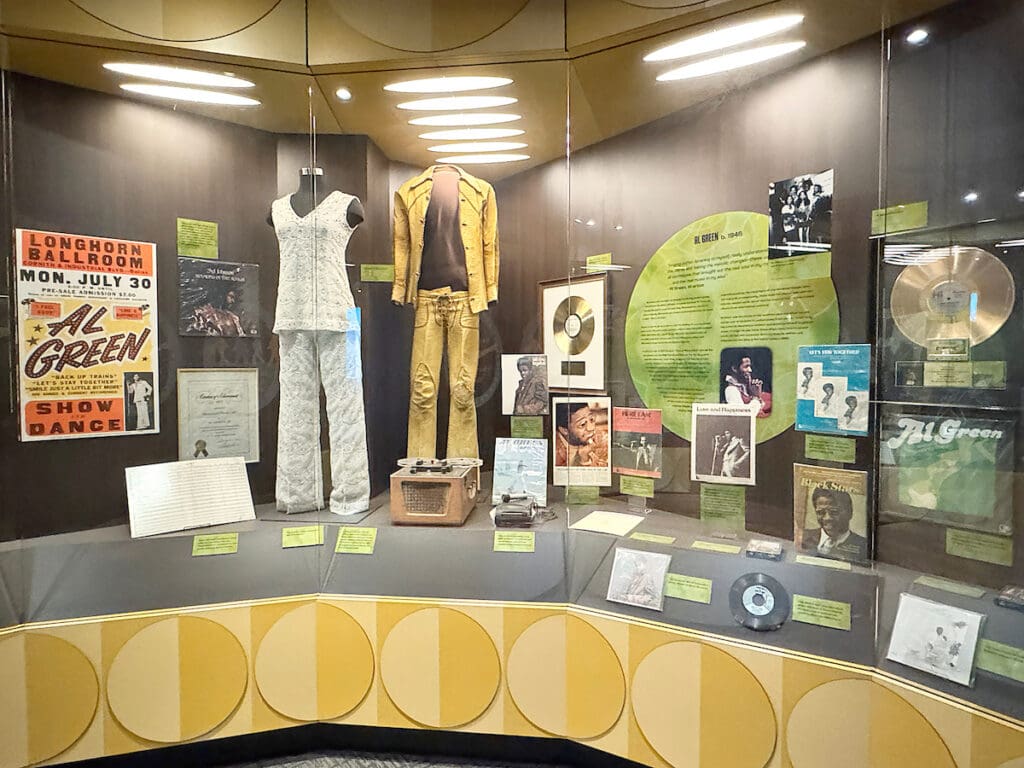
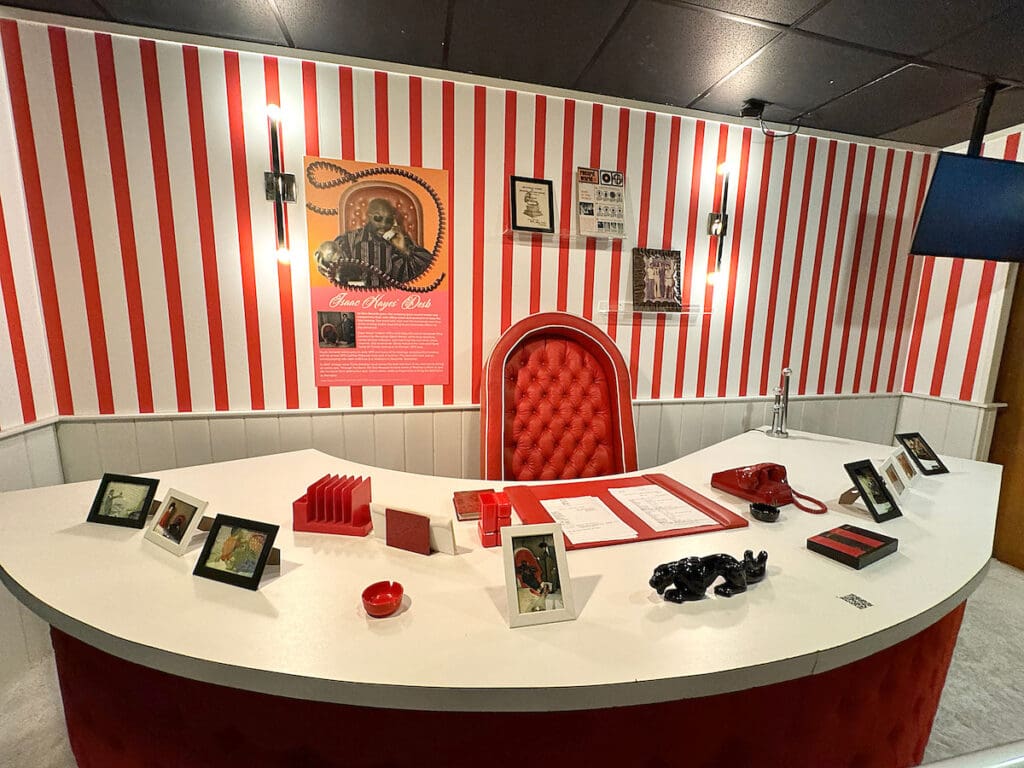
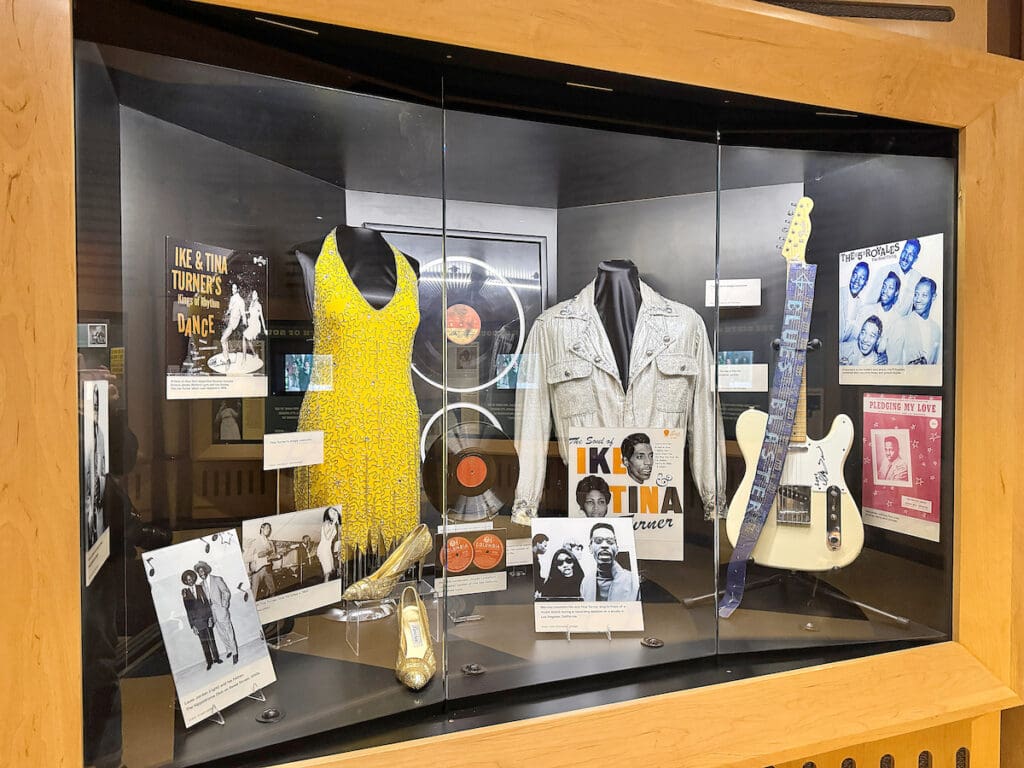
From there, visitors can explore exhibits filled with recording equipment, instruments, costumes, memorabilia and historic artifacts. A replica of Studio A recreates the space where many of STAX’s legendary recordings were made.
Dance, Music and the Wall of Sound
The museum isn’t simply about looking at artifacts. Visitors can step onto a dance floor while episodes of Soul Train play in the background, creating an interactive connection to the music and culture of the era.
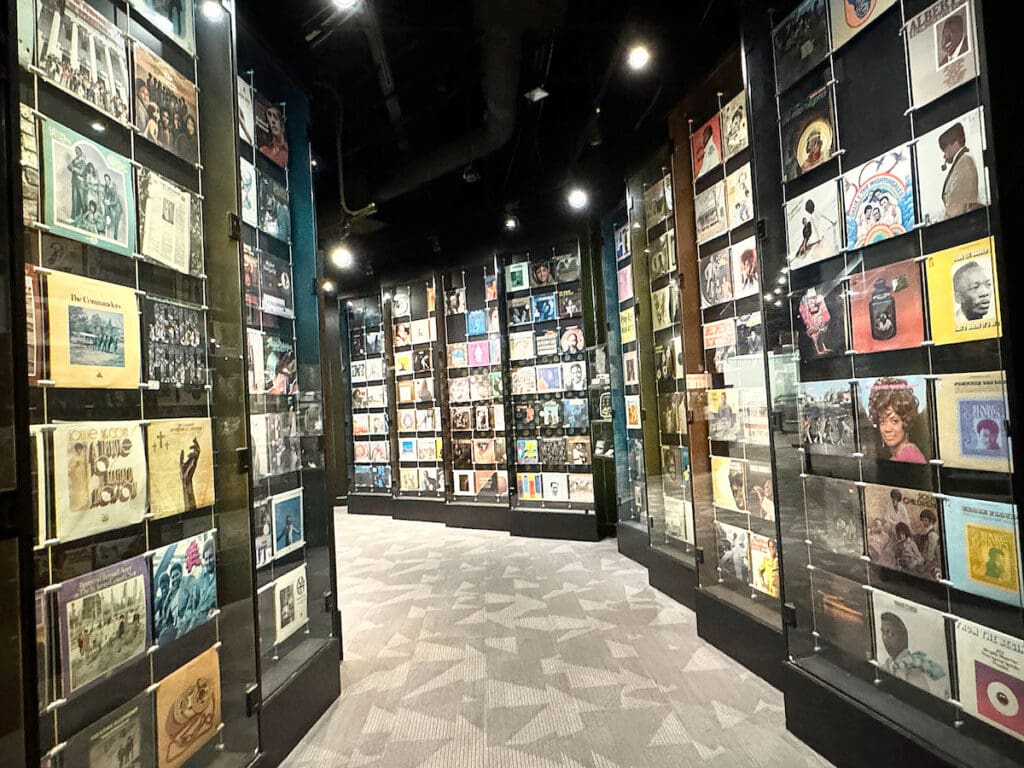
One of the museum’s most impressive displays is the Wall of Sound, a floor-to-ceiling installation featuring albums released by Stax between 1957 and 1975. The colorful illuminated display transforms a hallway into a visual timeline of the label’s extraordinary catalog. A nearby listening station lets visitors hear the music while exploring the collection.
Isaac Hayes’ Iconic Cadillac
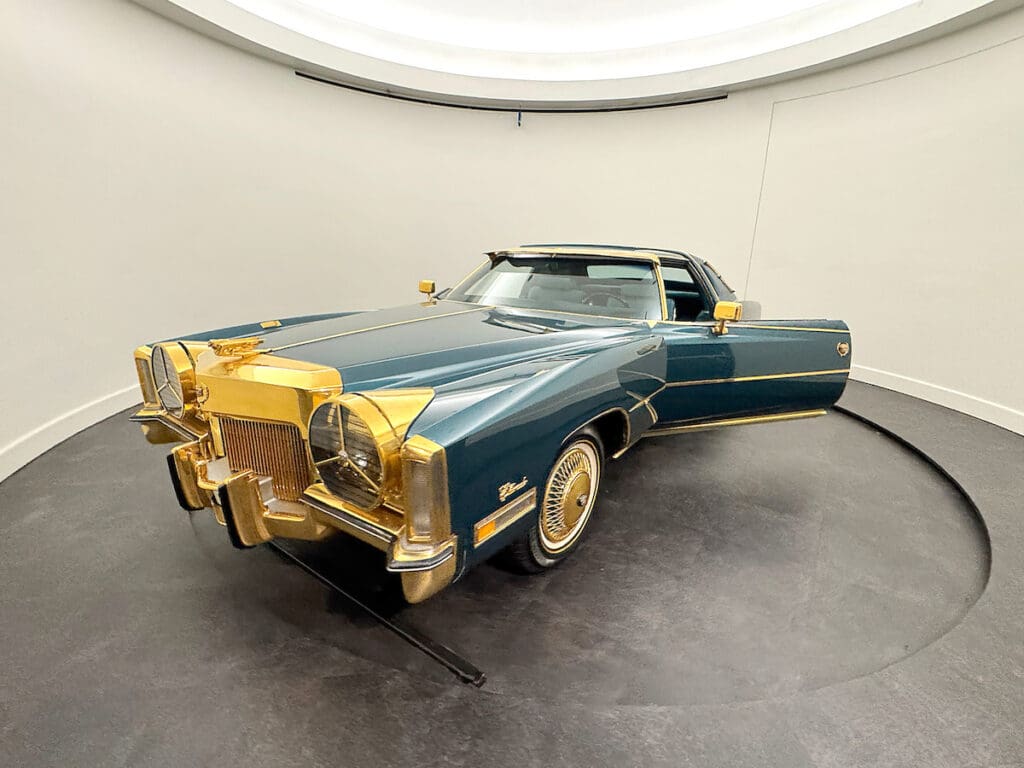
Among the museum’s most eye-catching artifacts is the custom Cadillac Eldorado once owned by STAX legend Isaac Hayes.
The spectacular blue car features 24-karat gold exterior trim, white fur carpeting, a television and a mini-fridge. It is an unforgettable reminder of Hayes’ larger-than-life personality and his enormous impact on soul music.
Plan Your Visit
The STAX Museum of American Soul Music is a must-visit for anyone interested in Memphis music history, American culture or the roots of modern popular music. Walking through the museum connects visitors directly to the place where some of soul music’s most important recordings were created.
The museum is open Tuesday through Sunday from 10 a.m. to 5 p.m., with the last admission at 4 p.m. Visitors should plan approximately 1.5 to 2 hours to explore the museum.
General admission is $20 for adults, $16 for visitors ages 7–12 and 62 and older, and free for children 6 and younger.
For anyone exploring Memphis beyond Beale Street, the STAX Museum offers a deeper look at the people, music and community that helped establish the city as one of America’s most important musical destinations.