


Shorty Gras 2026 turned Mardi Gras World into a late-night epicenter of sound, sweat, and pure New Orleans energy on Saturday night, following the Krewe of Freret parade. What began earlier in the day as a sun-soaked Carnival celebration rolled seamlessly into a high-octane music experience—one that once again proved Shorty Gras isn’t just an after-party, but one of the most dynamic events of the entire Mardi Gras season.
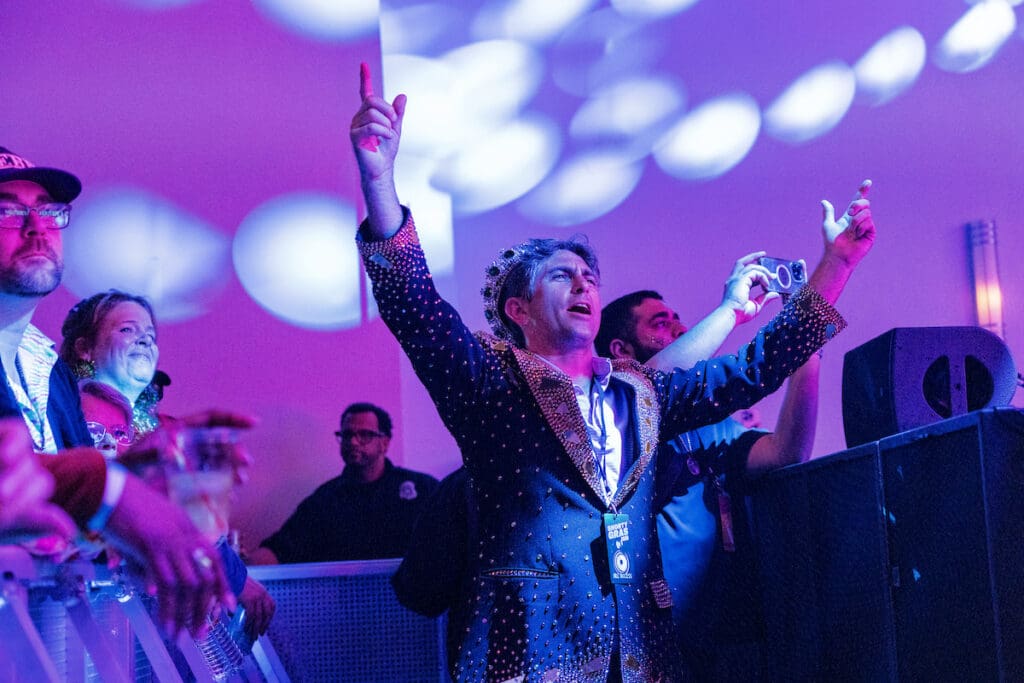
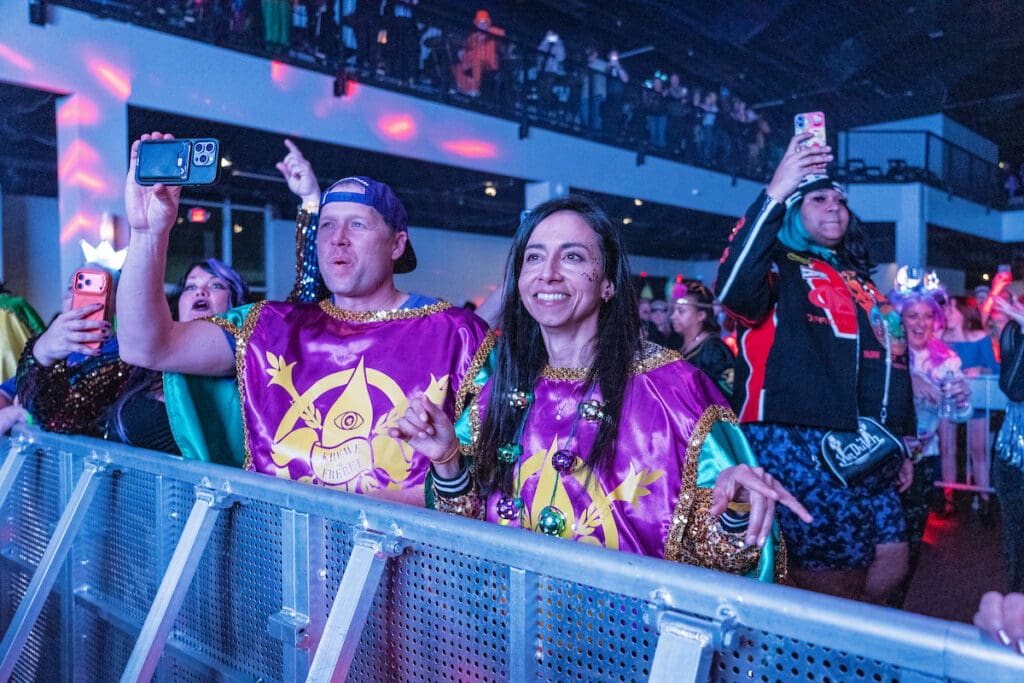
Set against the industrial backdrop of Mardi Gras World, the venue buzzed with anticipation as parade-goers traded beads for wristbands and rolled straight into a stacked lineup that blended hometown heroes with global star power. The crowd reflected the spirit of the night: locals, visitors, music lovers, and Carnival diehards all packed together, ready to dance well past midnight.
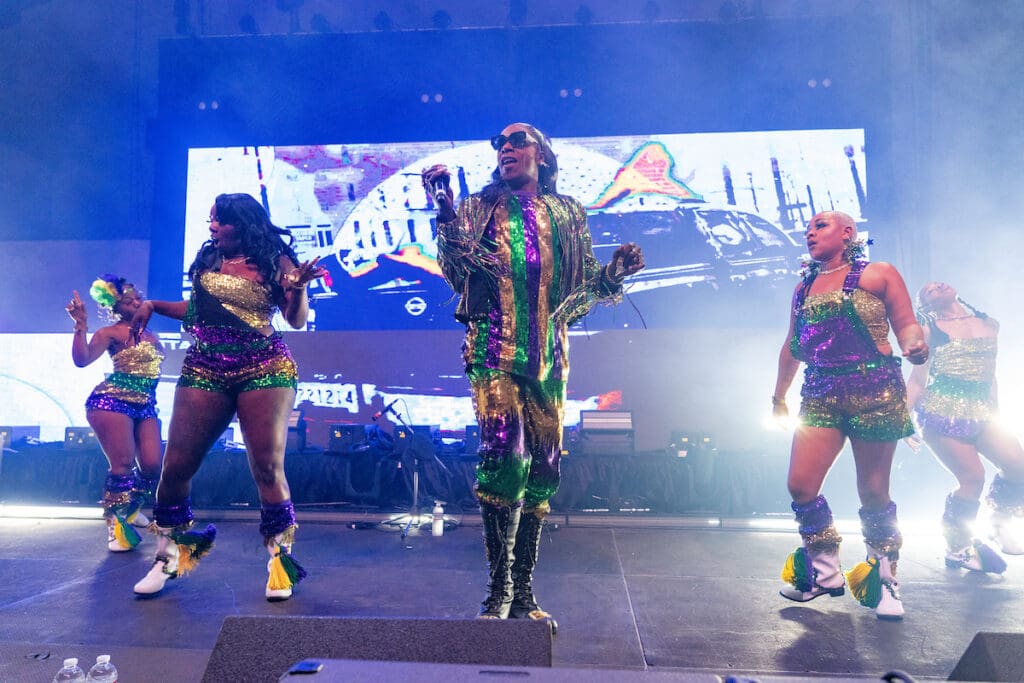
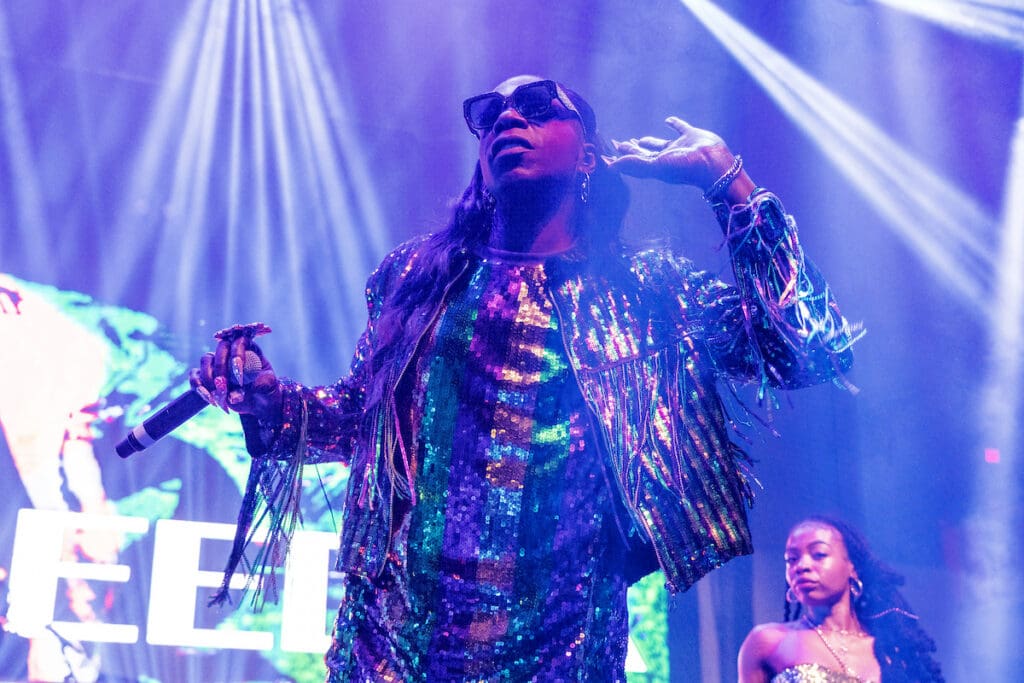
Big Freedia took the stage first straight off her signature float from the parade. The undisputed Queen of Bounce brought unapologetic confidence, commanding the crowd with booming beats and infectious charisma. As bass rattled through the venue, Freedia turned Mardi Gras World into a full-blown bounce party, with fans dancing, singing, and celebrating the joy and inclusivity that her music represents. It was loud, joyful, and exactly the kind of release a Carnival Saturday night demands.
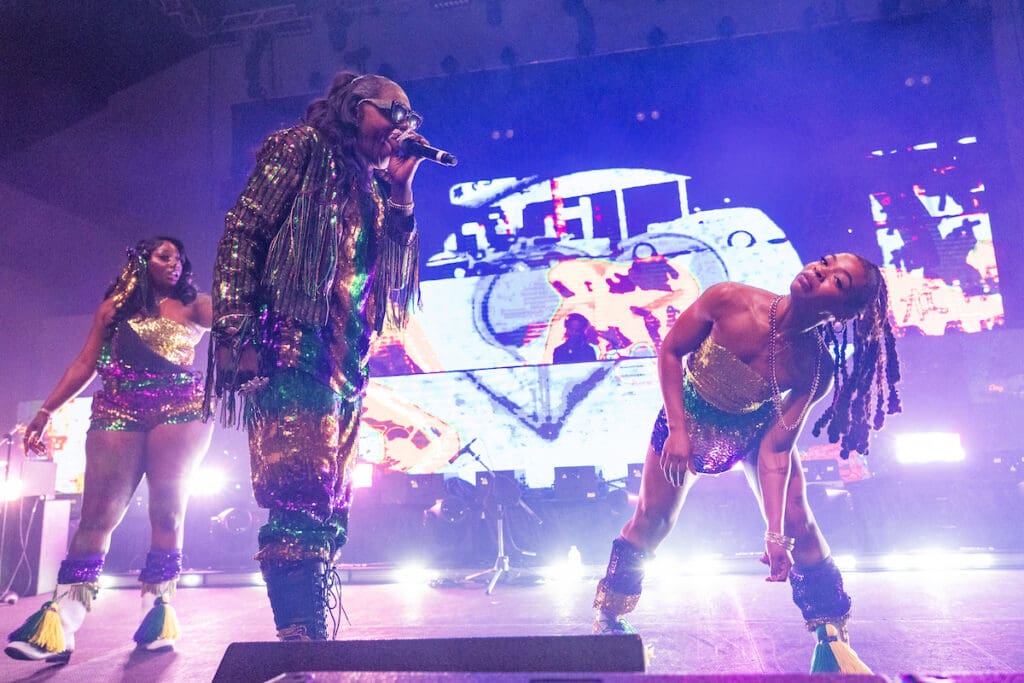
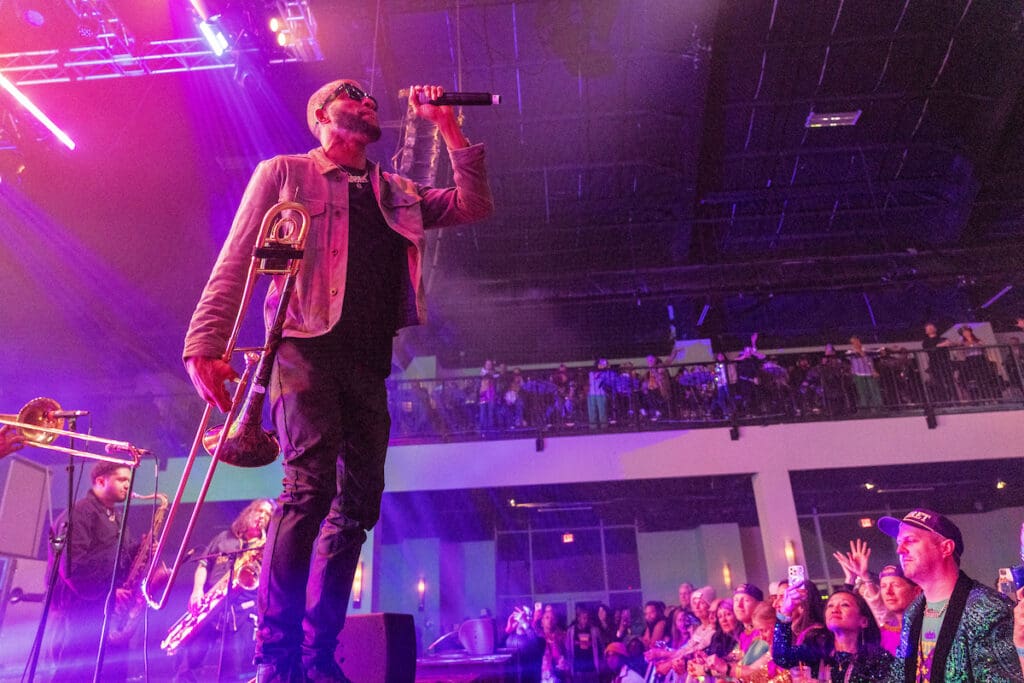
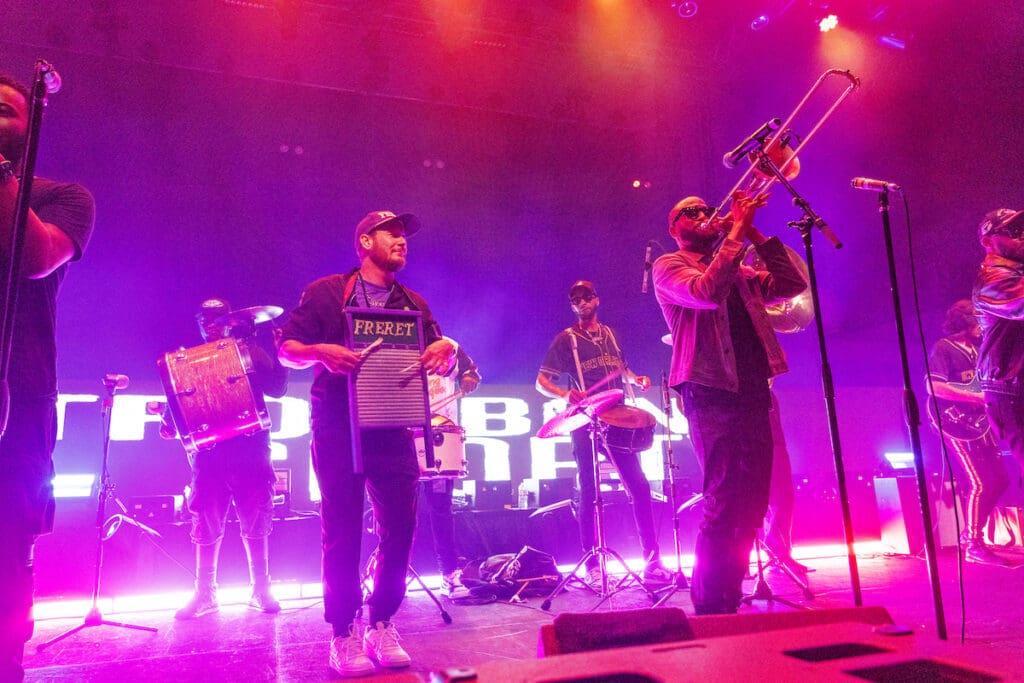
Trombone Shorty & Orleans Avenue took the stage alongside the New Breed Brass Band next, immediately setting the tone with a performance that felt both polished and deeply rooted in local tradition. Their sound—brass-heavy, funk-driven, and impossibly tight—filled the venue, pulling the crowd into a collective groove from the first note. Troy’s young nephew even took the stage to dance with the band and prove there is a whole new generation ahead in the Andrews family. Trombone Shorty’s ability to bridge generations and genres was on full display, blending jazz, funk, rock, and hip-hop influences into a set that felt like a celebration of New Orleans itself.
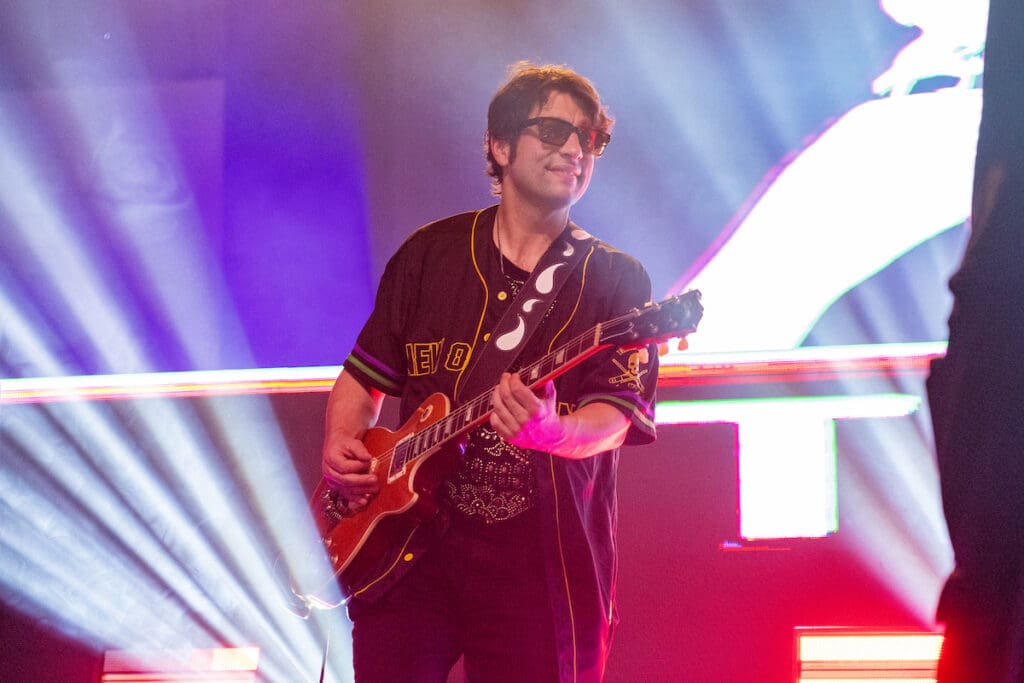
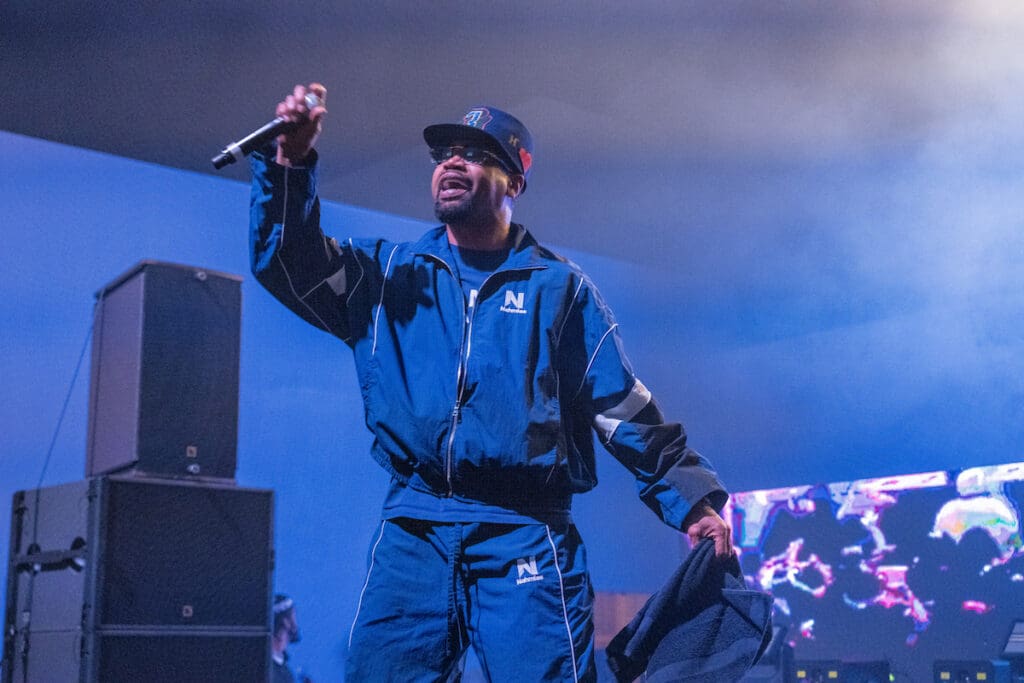
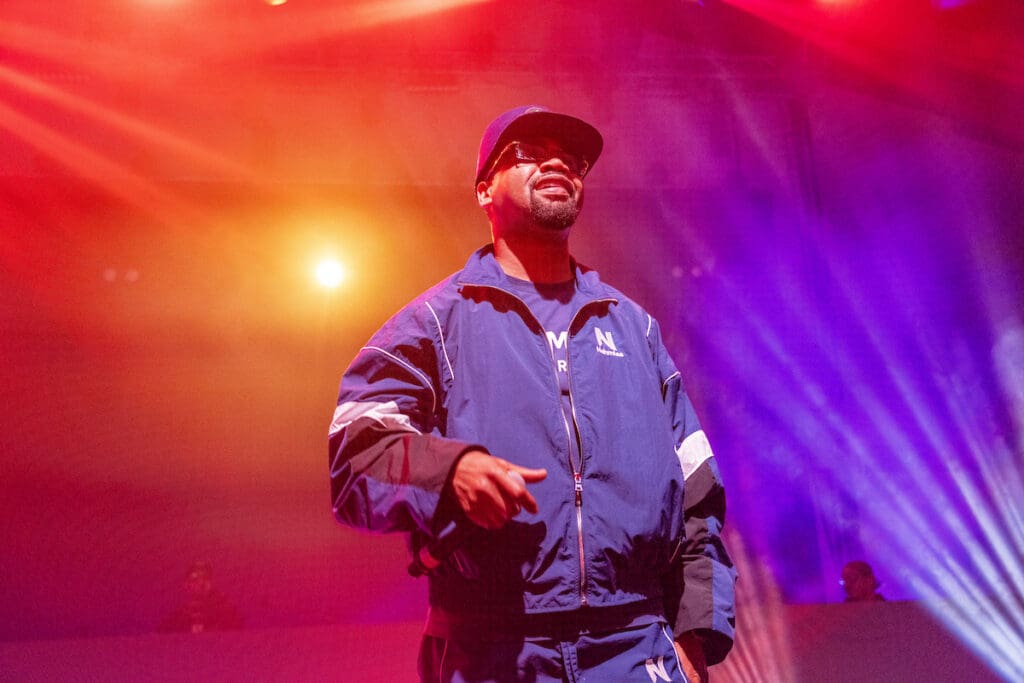
Juvenile followed with a set that felt like a citywide reunion. When the opening notes of “Back That A** Up” hit, the reaction was instant and overwhelming—voices shouting every lyric, hands in the air, bodies moving in unison. Juvenile leaned into his catalog of hits, delivering a performance rooted in nostalgia but fueled by present-moment energy. It wasn’t just a concert moment; it was a cultural one, reminding everyone just how deeply New Orleans hip-hop is woven into the city’s identity.
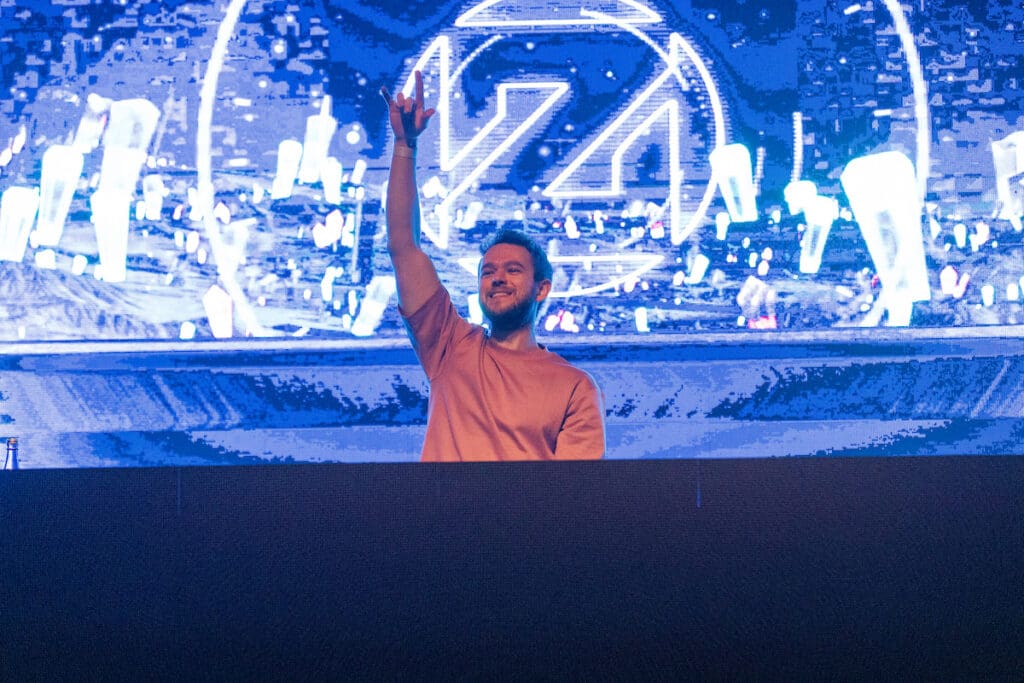
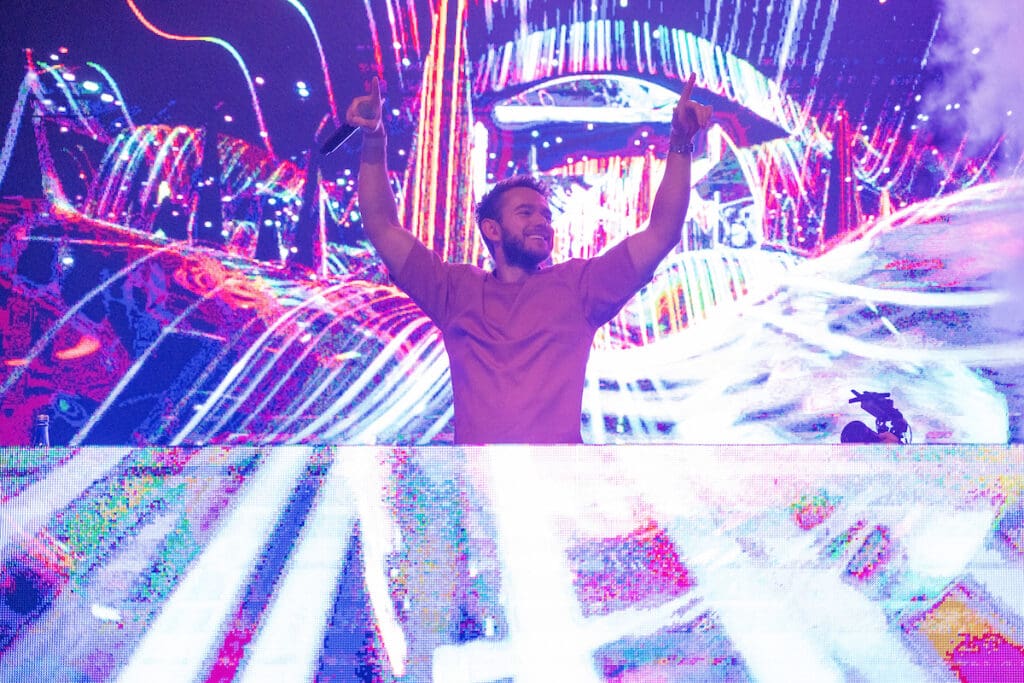
As the night pushed later, anticipation built for the headliner, and ZEDD did not disappoint. Bringing international EDM energy to the heart of Carnival, ZEDD closed out Shorty Gras with a polished, high-impact set that lit up the massive space with pulsing visuals and euphoric drops. The contrast between brass bands and electronic beats somehow felt completely natural—a testament to Shorty Gras’ ability to merge worlds without losing its New Orleans soul. The crowd danced relentlessly, beads bouncing, sneakers sticking slightly to the floor, smiles everywhere.
What made Shorty Gras 2026 especially memorable was how seamlessly it followed the Krewe of Freret parade earlier that day. Freret’s deep commitment to celebrating New Orleans music extended naturally into the night, turning Carnival into a full-spectrum experience—from floats honoring local legends to a live stage amplifying them. Shorty Gras once again felt like an extension of the parade itself, just louder, darker, and drenched in stage lights.
Since its debut, Shorty Gras has evolved into one of Carnival season’s most anticipated events, blending the spectacle of Mardi Gras with the scale of a major music festival. This year’s edition reinforced why it works so well: it honors the city’s musical roots while welcoming global sounds, all without losing the raw, joyful chaos that defines New Orleans.
By the time the final beats faded and the crowd spilled out into the night, Shorty Gras 2026 had done exactly what it promised—turned a Mardi Gras Saturday into an unforgettable, music-driven celebration. It wasn’t just the perfect cap to the Krewe of Freret parade; it was a reminder that in New Orleans, the party doesn’t end when the floats stop rolling—it just changes stages.