


Each year on the evening of January 6, the streets of the French Quarter glow with candlelight as New Orleans honors a figure not often associated with Mardi Gras season: Joan of Arc. Known officially as the Krewe de Jeanne d’Arc parade, this moving and theatrical procession celebrates the 614th birthday of the French heroine and unofficially kicks off the city’s Carnival season with history, pageantry, and deep cultural reverence.
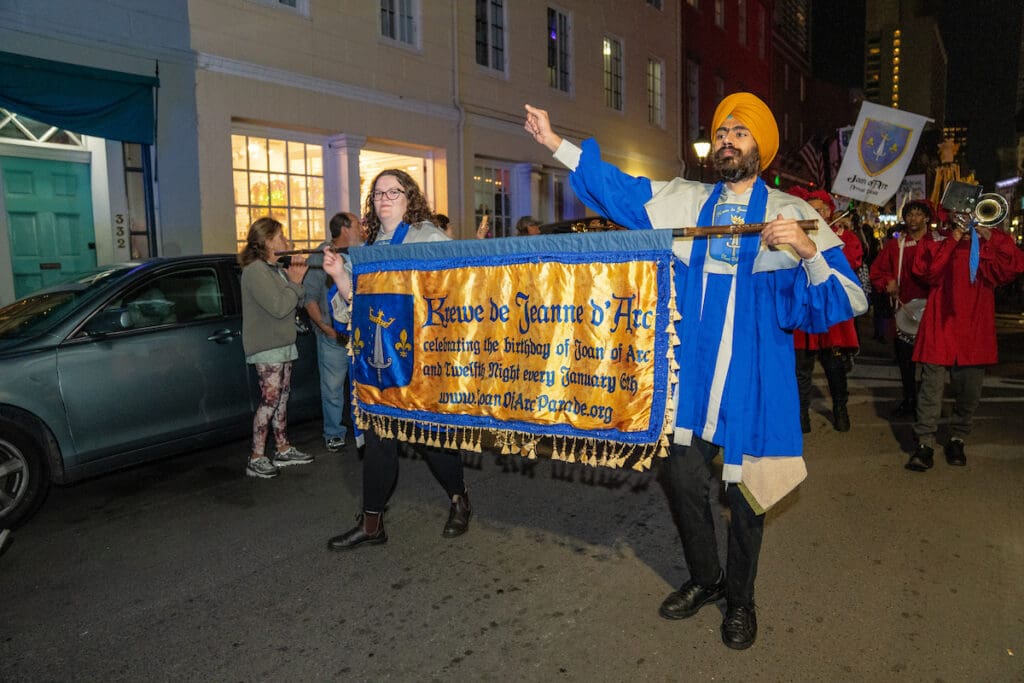
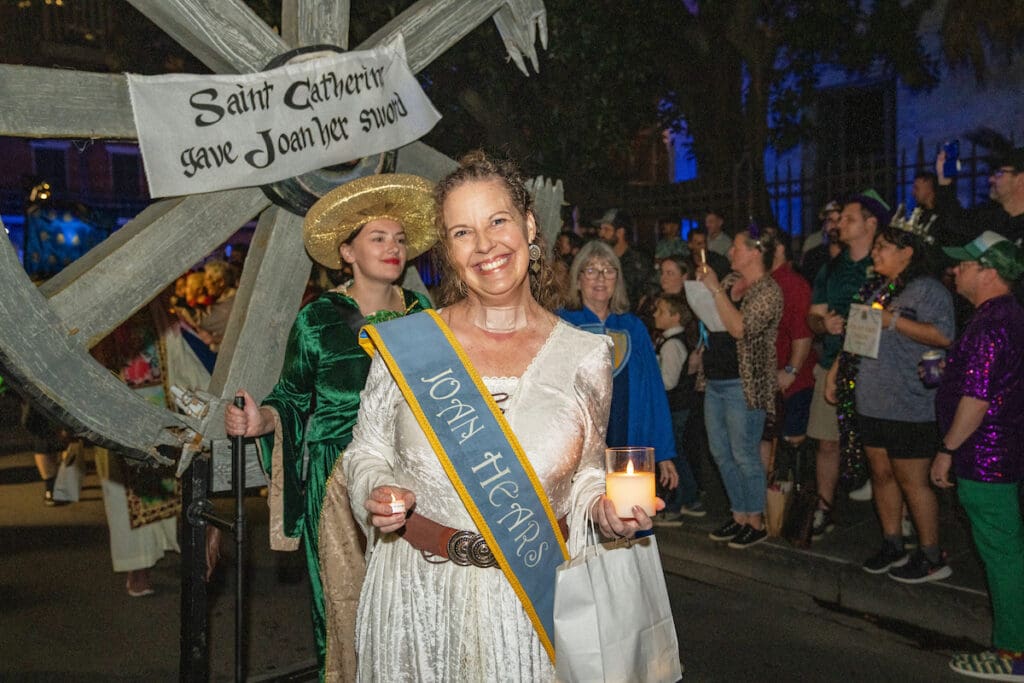
The parade steps off at 7:30 p.m. from the intersection of Bienville and Front streets, winding through the French Quarter before concluding at French Market Place and Barracks Street near the New Orleans Jazz Museum. Unlike the massive float parades that follow later in the season, the Joan of Arc parade is a walking procession, allowing spectators to feel immersed in the story unfolding before them. In 2008, the krewe began with just 50 members. By 2026, it has grown into a powerful collective of approximately 850 participants, making it one of the most visually striking and meaningful early Carnival traditions.
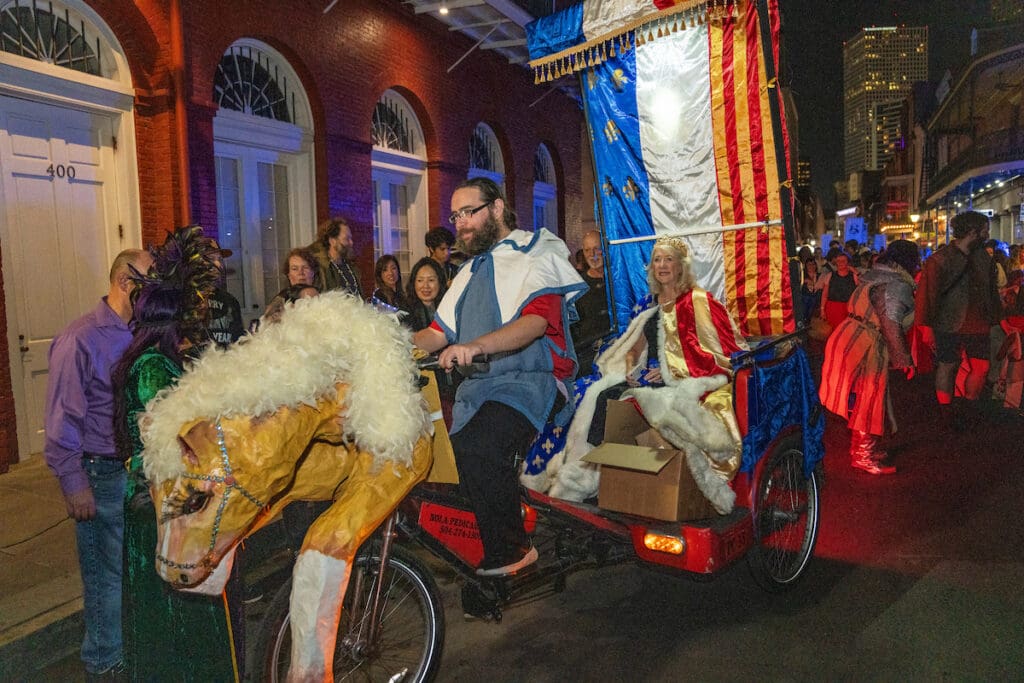
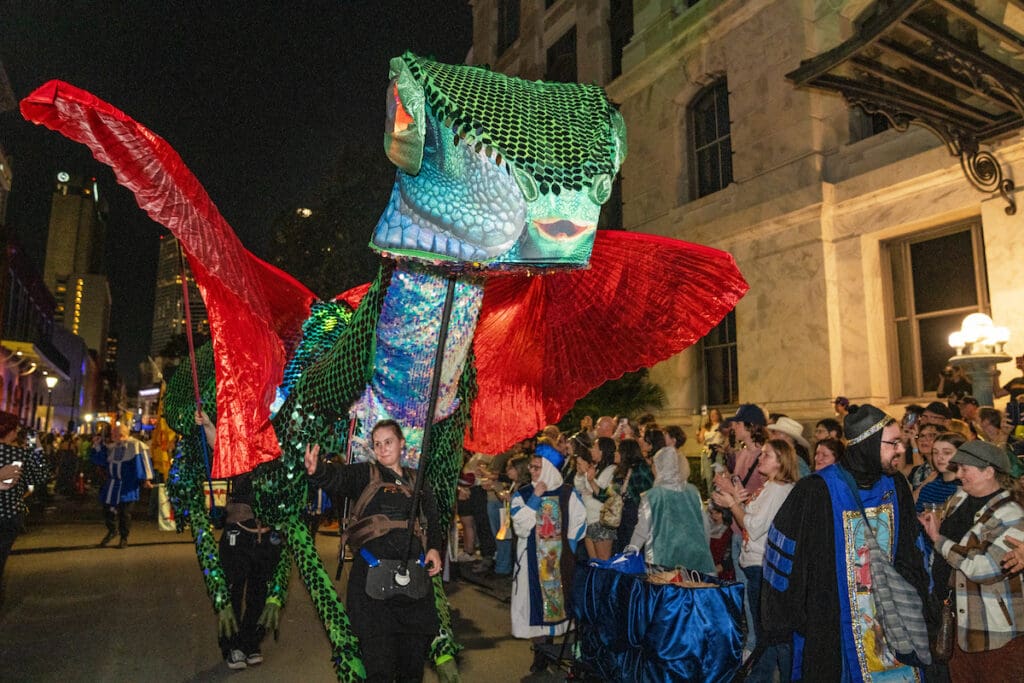
What sets the Joan of Arc parade apart is its commitment to historical storytelling. The krewe reenacts key moments from Joan’s life through medieval costumes, hand-painted banners, live period-style music, and symbolic props. Marchers carry lanterns and candles that cast a warm glow against the old brick and ironwork of the Quarter, creating an atmosphere that feels both solemn and celebratory. Handmade throws—often in the form of paper fleurs-de-lis, medallions, and scrolls—are passed gently to the crowd, reinforcing the parade’s focus on craftsmanship and meaning over spectacle.
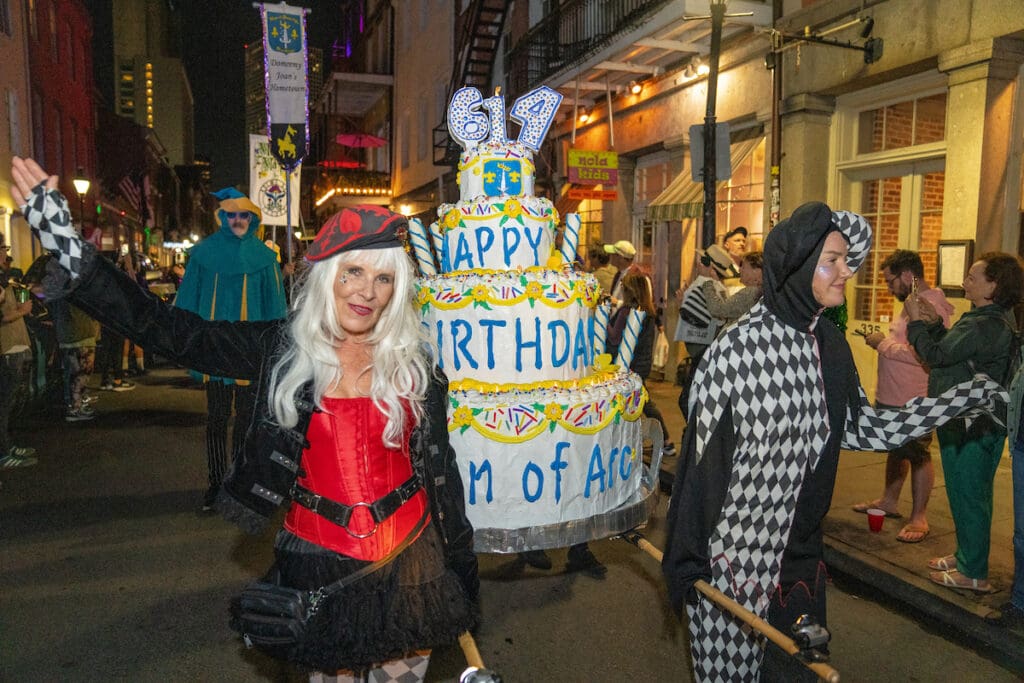
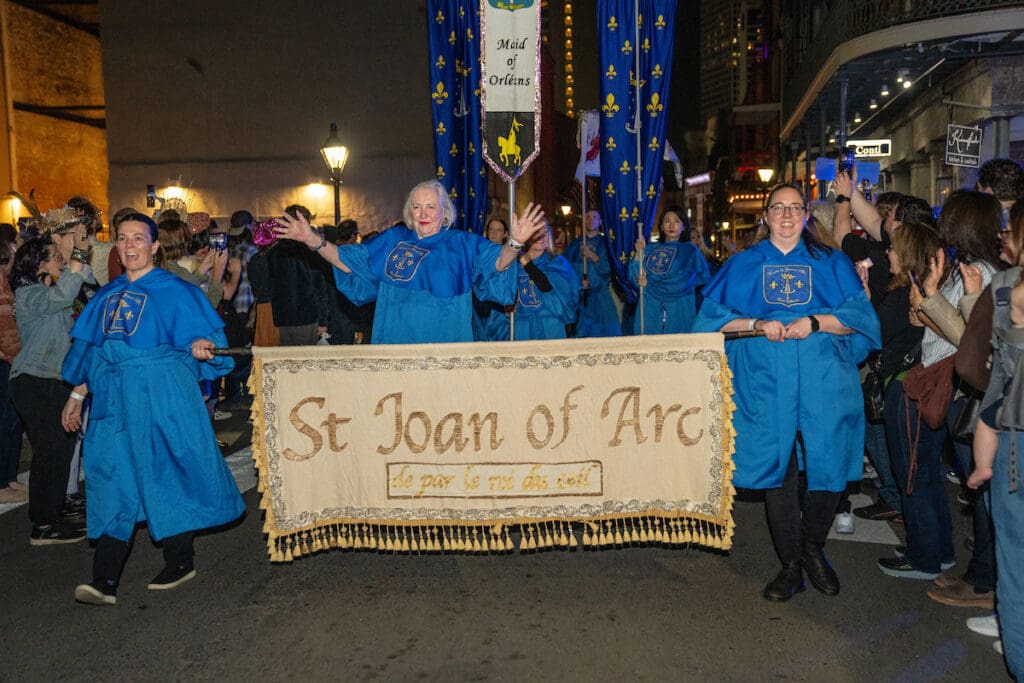
At the heart of the procession is Joan herself, portrayed each year by a local young woman riding a horse. This role is one of the most honored in the krewe and symbolizes strength, courage, and leadership. The image of Joan on horseback, illuminated by candlelight and surrounded by her court and supporters, is a powerful moment that never fails to quiet the crowd in awe.
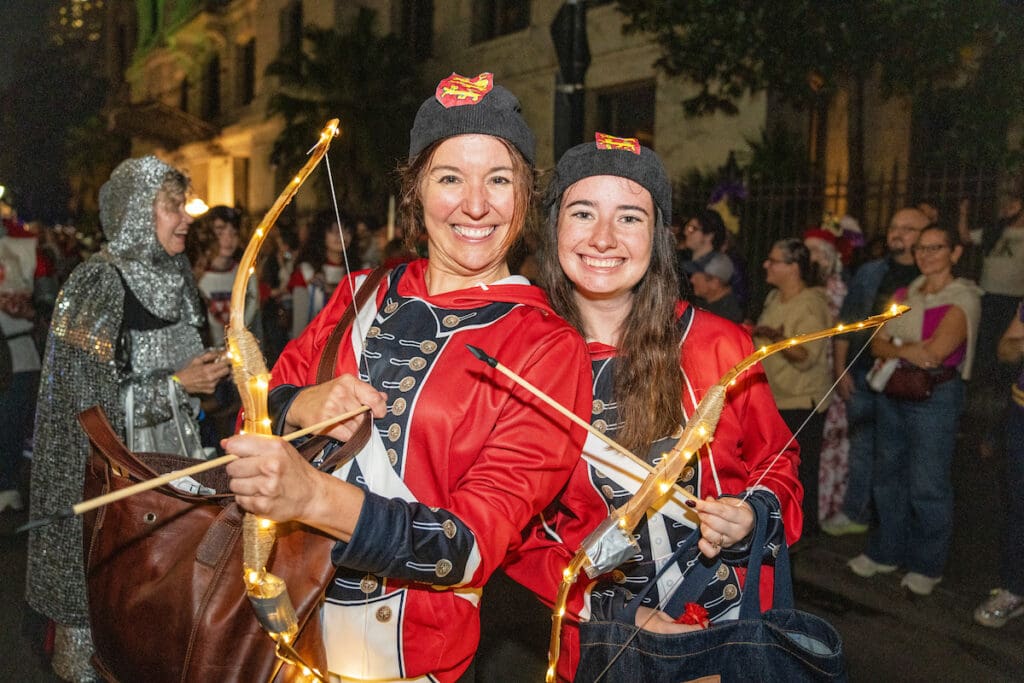
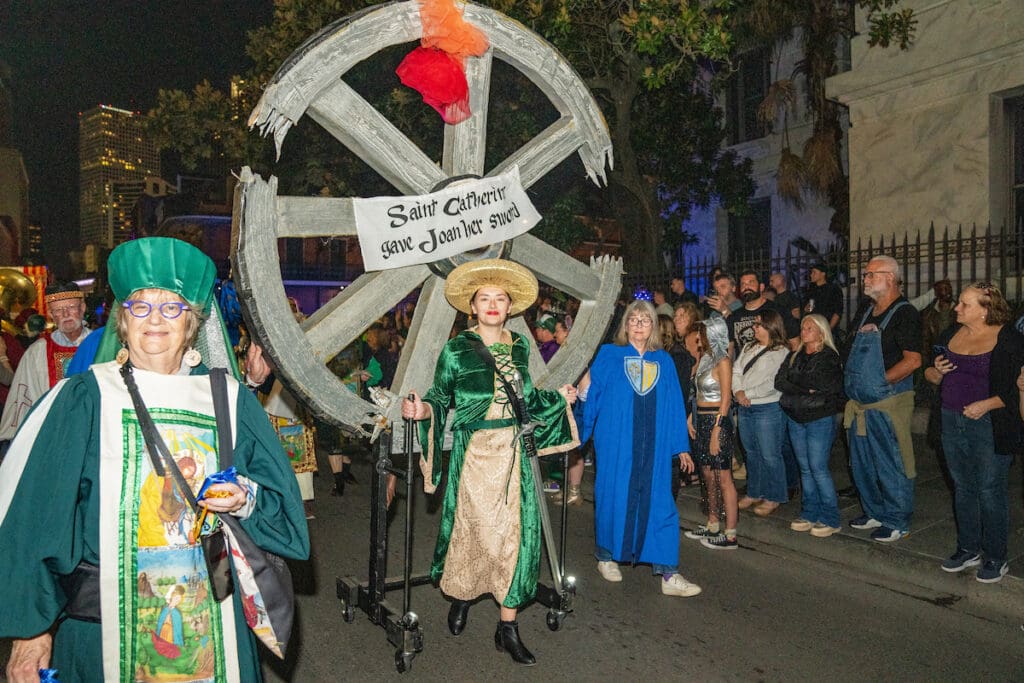
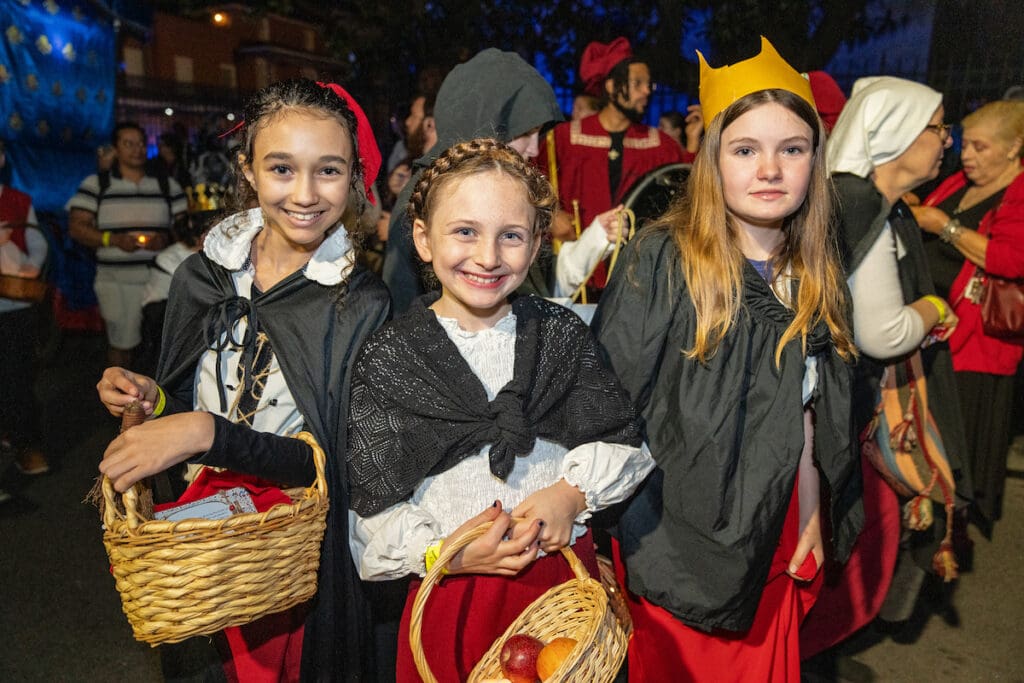
The 2026 Krewe de Jeanne d’Arc Court highlights individuals deeply connected to New Orleans culture and education. Maid of Honor Rory Davis, a senior at Lycée Français de la Nouvelle-Orléans, represents the city’s strong ties to French heritage. Queen Sandy Rosenthal, founder of Levees.org, is celebrated for her advocacy and civic leadership, while King Greg Lambousy, executive director of the New Orleans Jazz Museum, reflects the parade’s strong connection to local history and the arts.
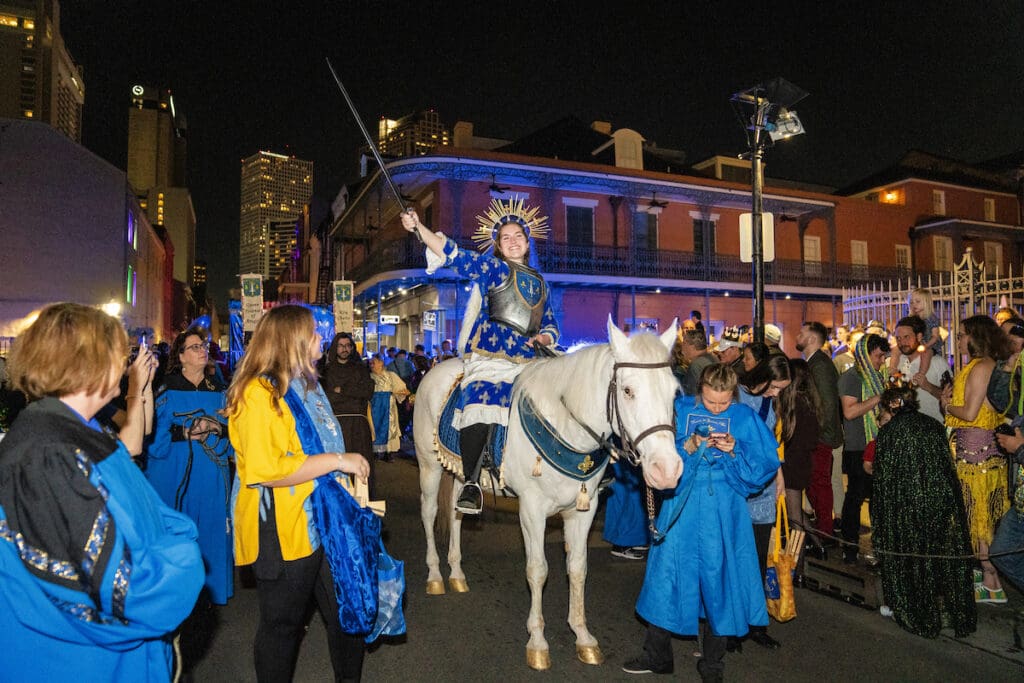
More than just a parade, the Joan of Arc procession is a reminder of New Orleans’ unique ability to blend history, art, and community into living traditions. It marks the beginning of Carnival not with beads and floats, but with reflection, storytelling, and reverence—proving that in New Orleans, even history knows how to parade.