


Last Friday night in New Orleans, the Uptown parade route shimmered with confidence, color, and unmistakable feminine power as the Krewe of Cleopatra once again ushered in Carnival season. With the rallying cry “Friday Night Is For the Girls,” the all-female krewe delivered a parade that felt equal parts celebration, tradition, and unapologetic joy—an opening-night statement that set the tone for the weeks of revelry to come.
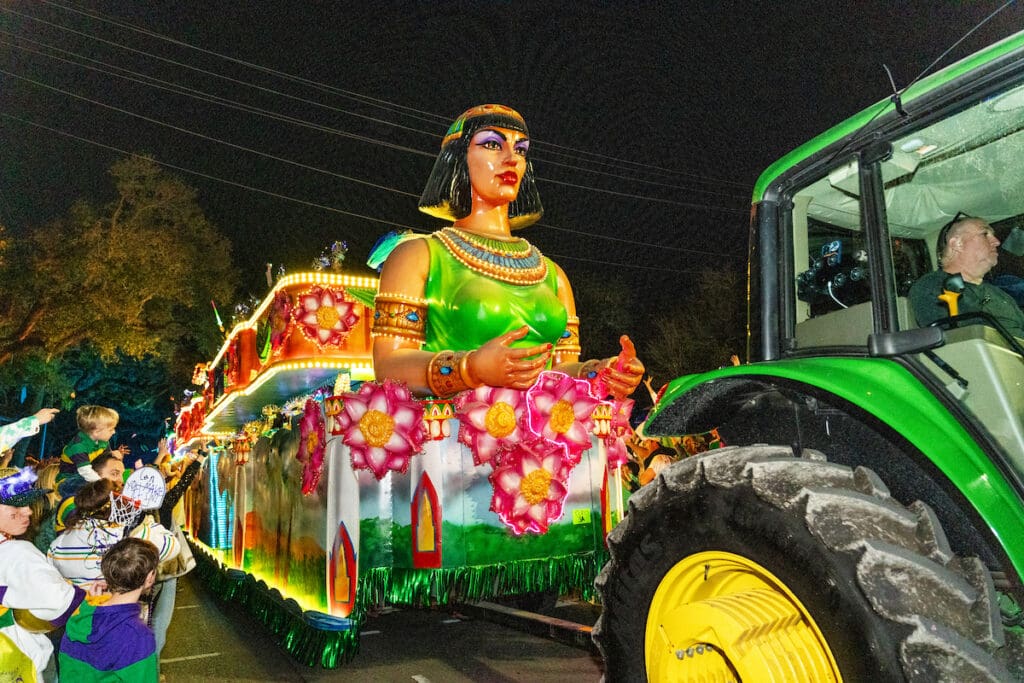

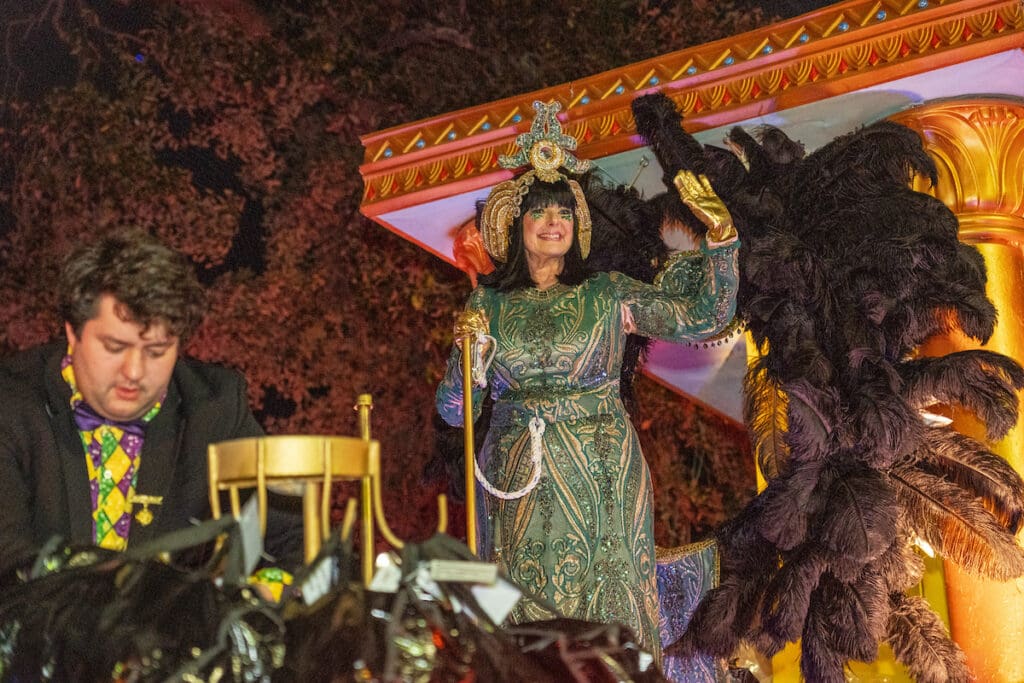
Cheers rang out early and often for Queen Stephanie Buras, who reigned over the evening with poise and presence worthy of the krewe’s legendary namesake. As floats rolled and throws flew, it was clear this wasn’t just another parade—it was a celebration of sisterhood, strength, and the enduring legacy of women who take up space boldly and beautifully in the heart of Mardi Gras.
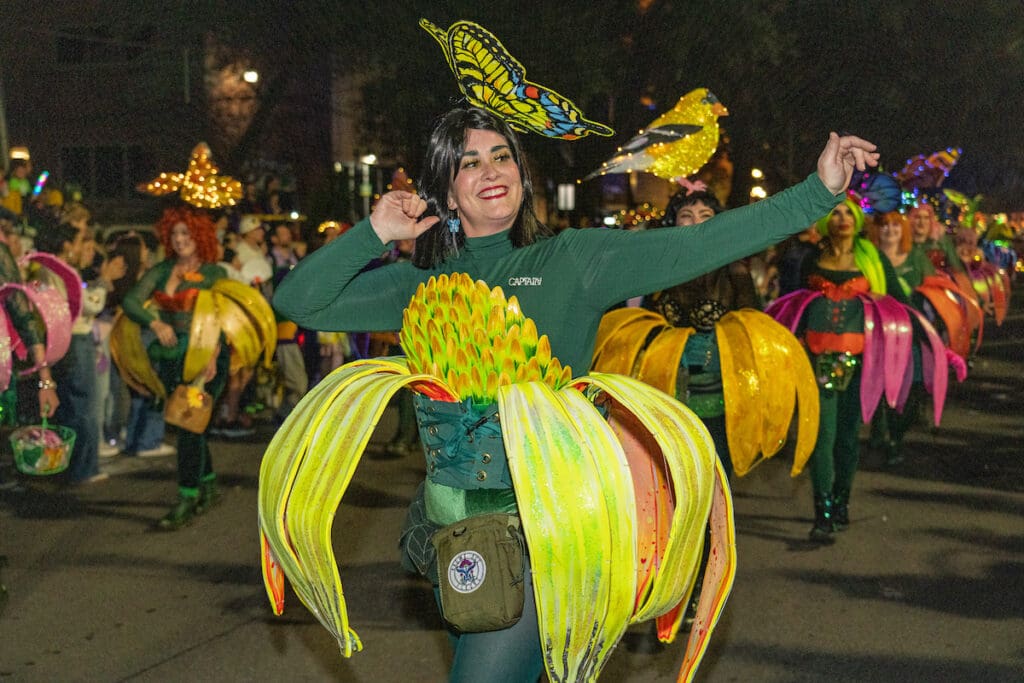
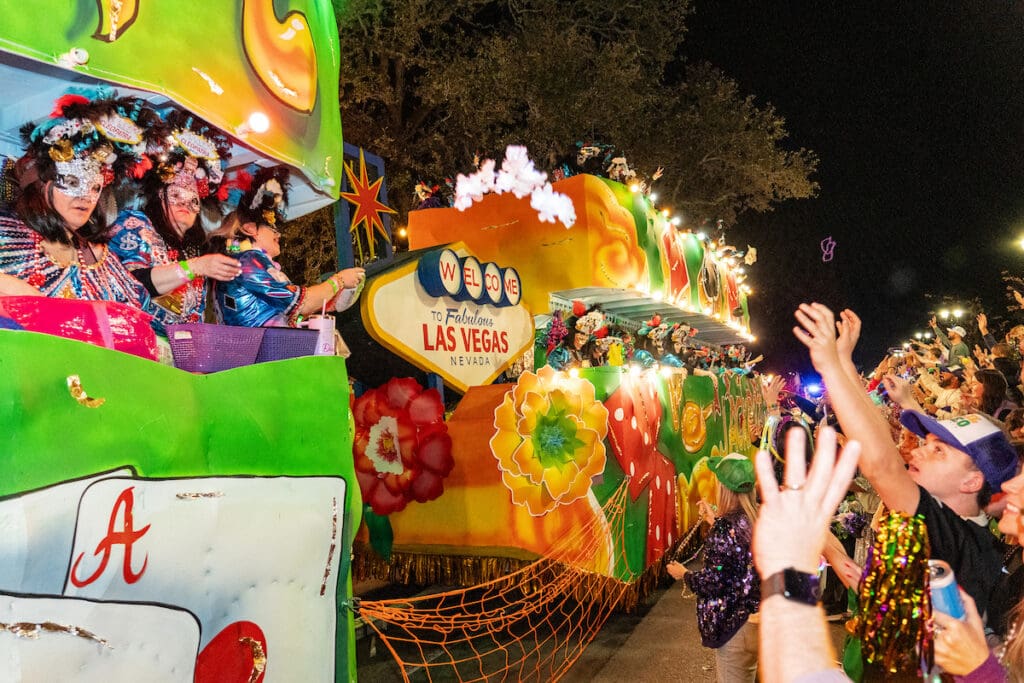
The Krewe of Cleopatra has long drawn inspiration from one of history’s most iconic figures. While antiquity remembers Queen Cleopatra as the embodiment of grace and femininity, she was also a fearless political force—respected by allies and opponents alike for her intelligence, resolve, and command. Those same qualities continue to guide the modern krewe, whose members look to Cleopatra not simply as a symbol of beauty, but as a model of confidence and leadership in their own lives.
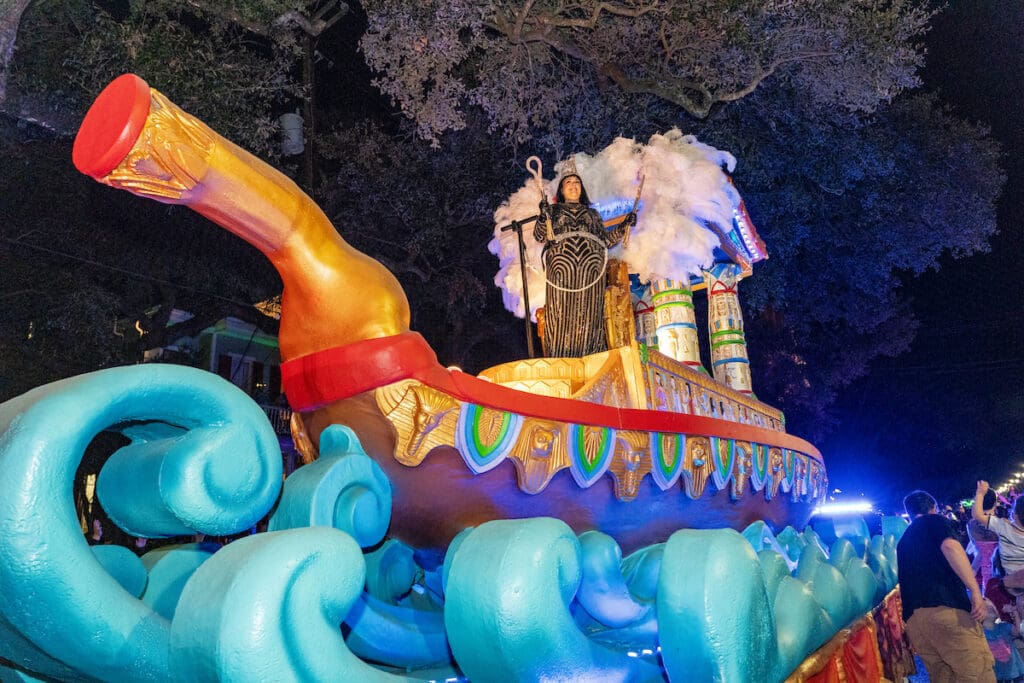
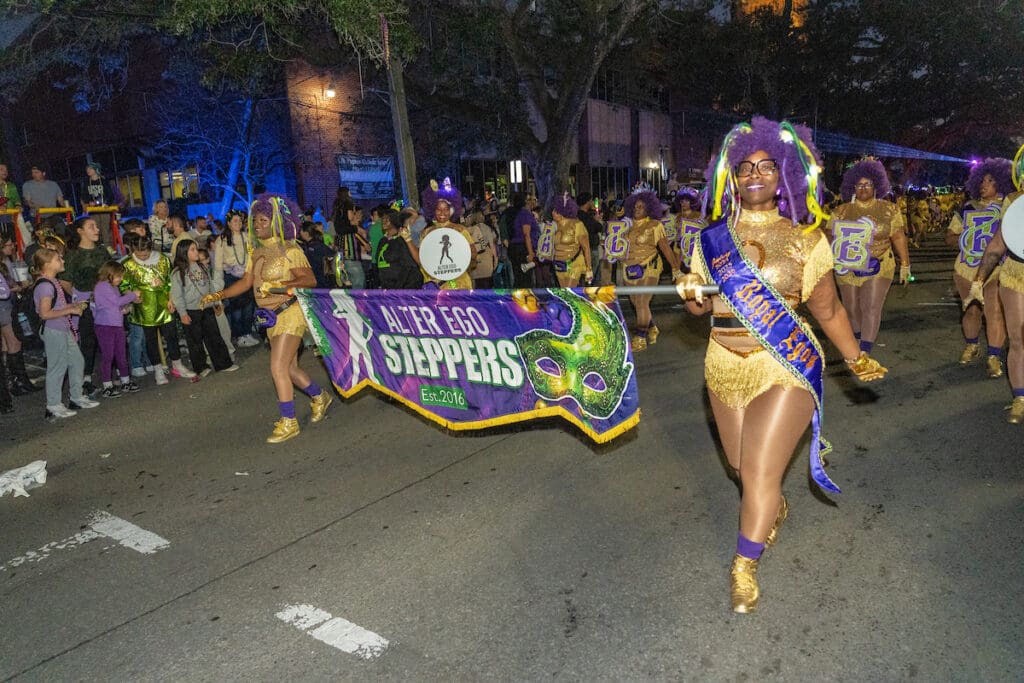
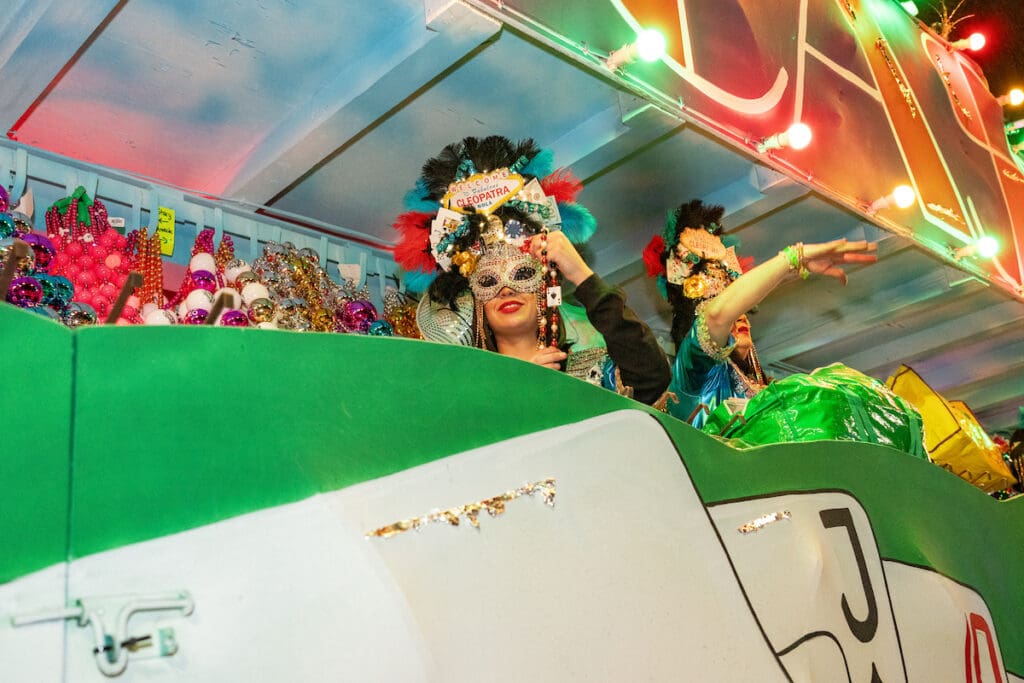
Founded more than 50 years ago by a New Orleans family determined to honor that legacy, the Krewe of Cleopatra was created as an all-female space at a time when such opportunities in Carnival were rare. Since then, it has grown into one of the city’s most beloved and recognizable parades. Today, the krewe boasts a sisterhood of more than 3,200 riders, made up of family members, friends, locals, and out-of-towners—women of all ages and backgrounds united by a shared love of Mardi Gras and the city that makes it possible.
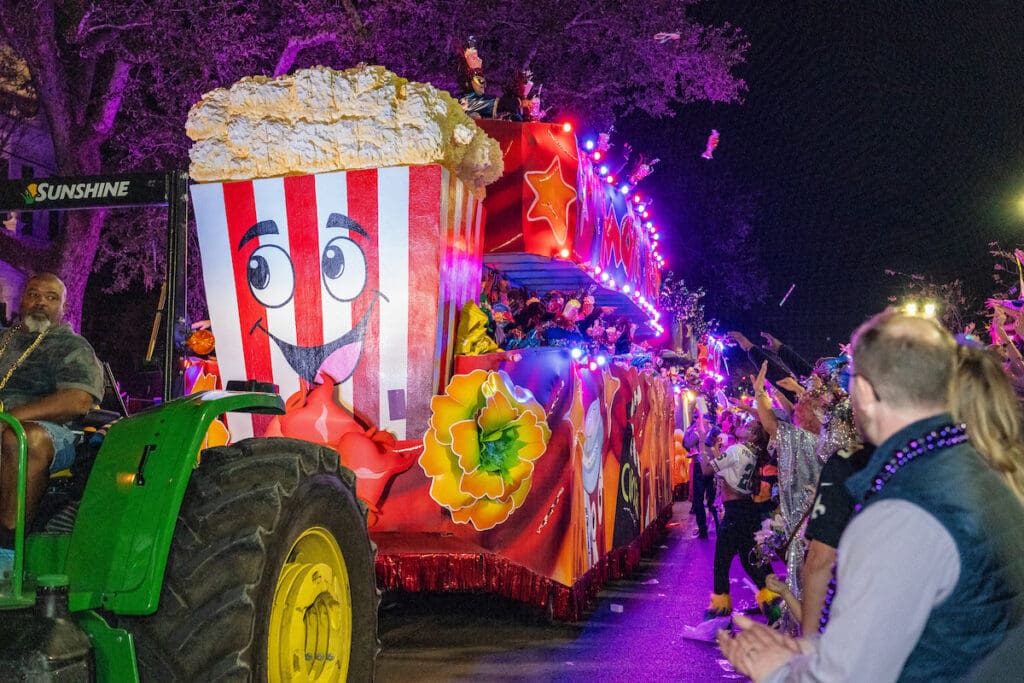
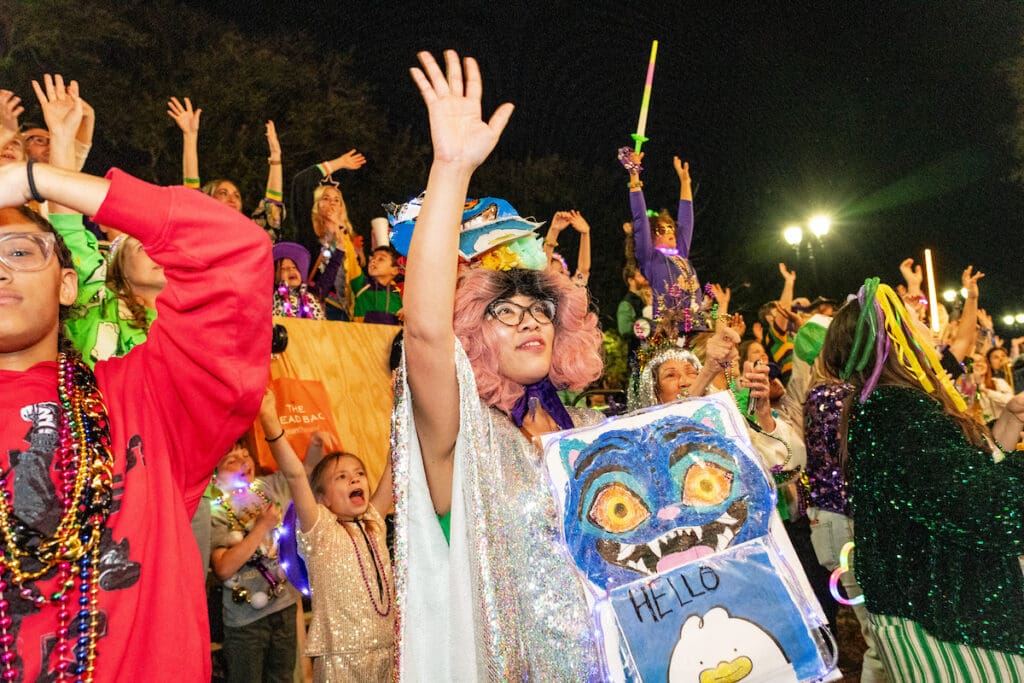
Every year since 1972, Cleopatra has proudly rolled on the first Friday of Carnival season, and this year was no exception. As the parade made its way through Uptown, it carried with it decades of tradition and an energy that felt both celebratory and deeply personal. For many spectators, Cleopatra isn’t just the start of parade season—it’s the moment Carnival officially begins.
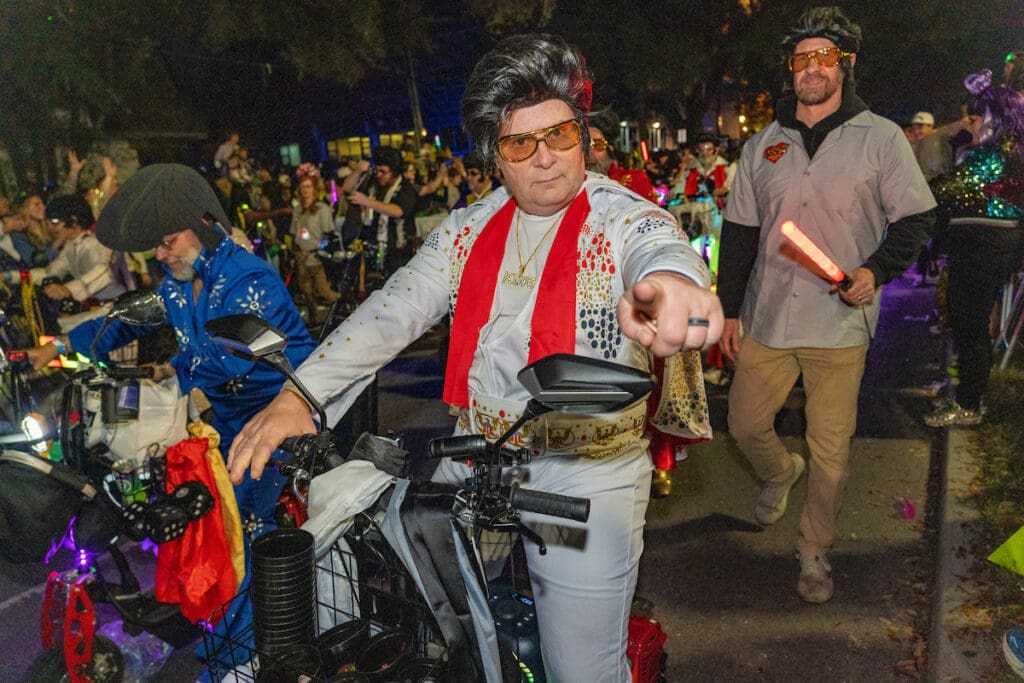
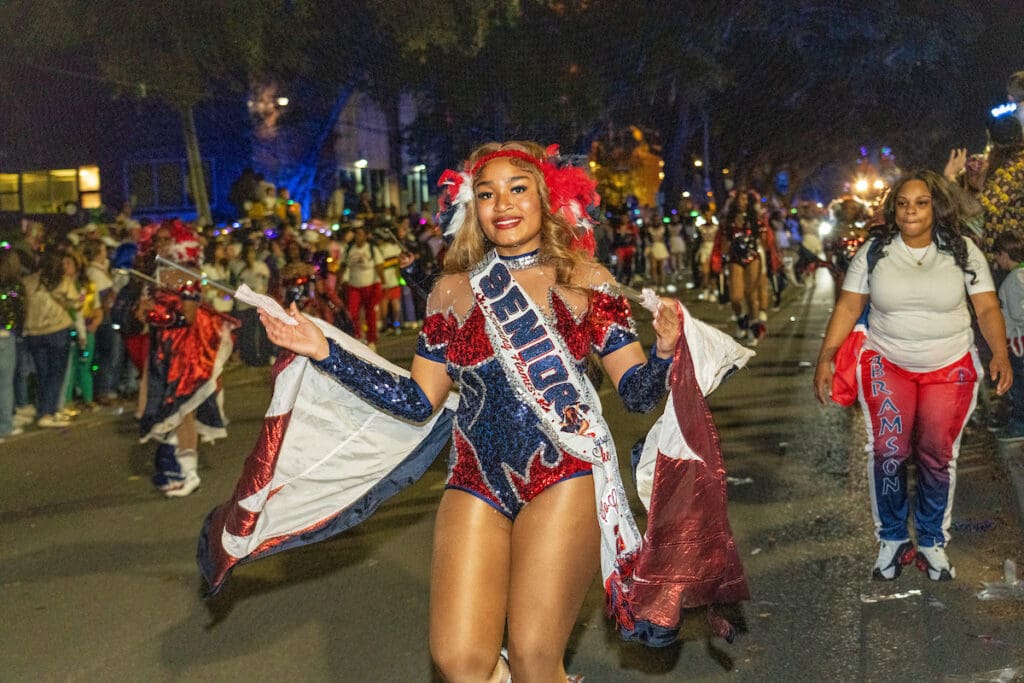
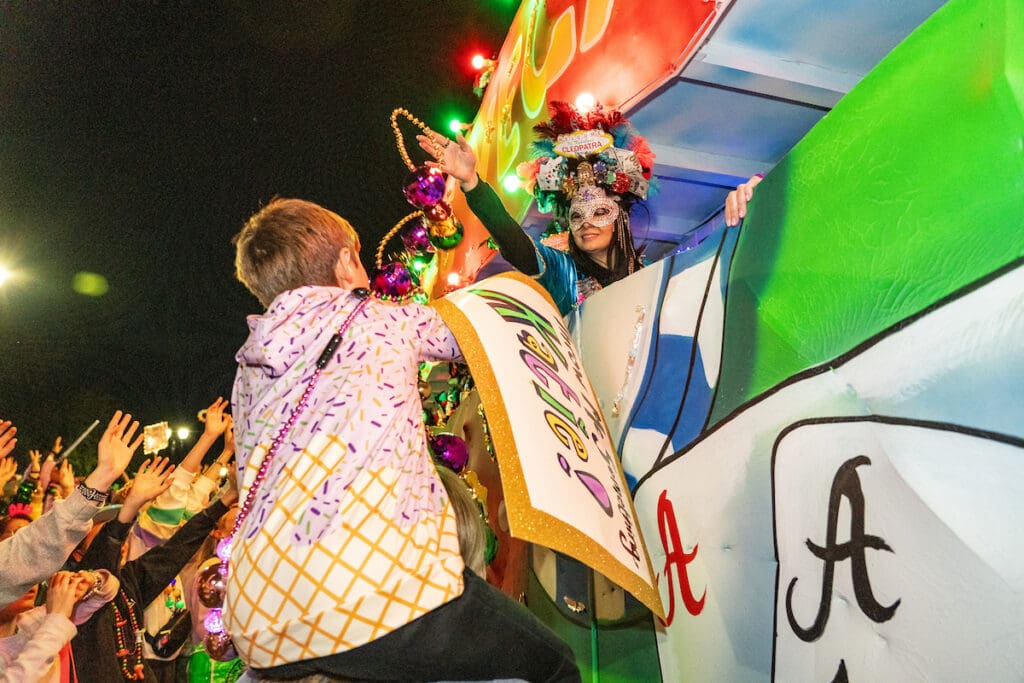
The floats reflected the night’s theme with bold visuals and playful flair, reinforcing the message that this parade belongs to the women who ride it and the girls watching from the barricades, dreaming of one day doing the same. Mothers rode alongside daughters, friends cheered each other on from neighboring floats, and first-time riders soaked in the magic of a tradition passed down through generations. It was a reminder that Cleopatra isn’t just a krewe—it’s a community.
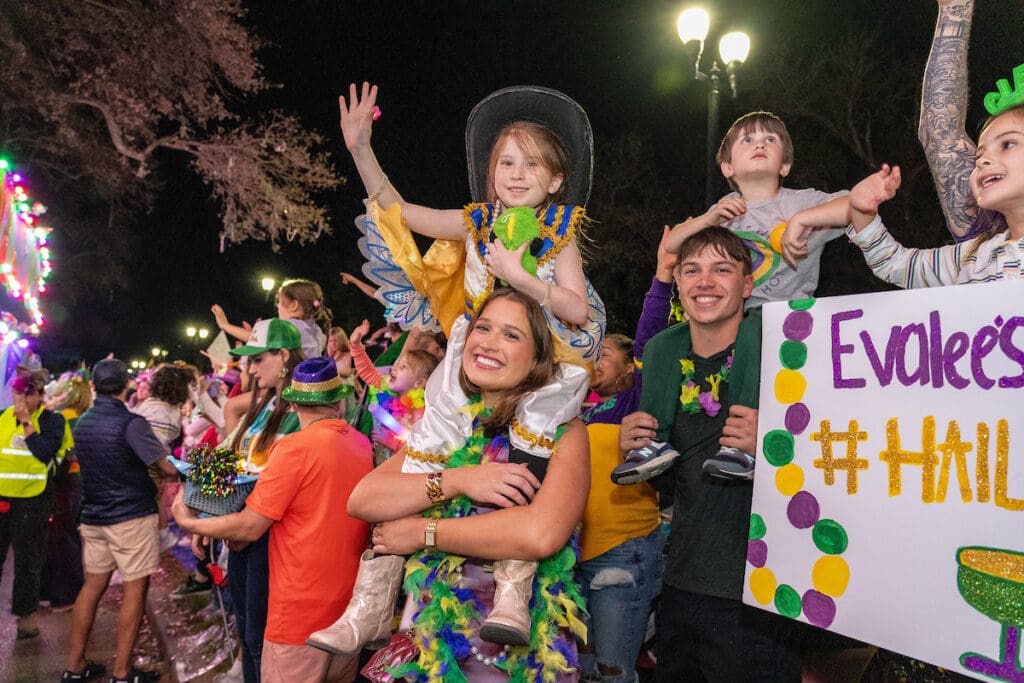
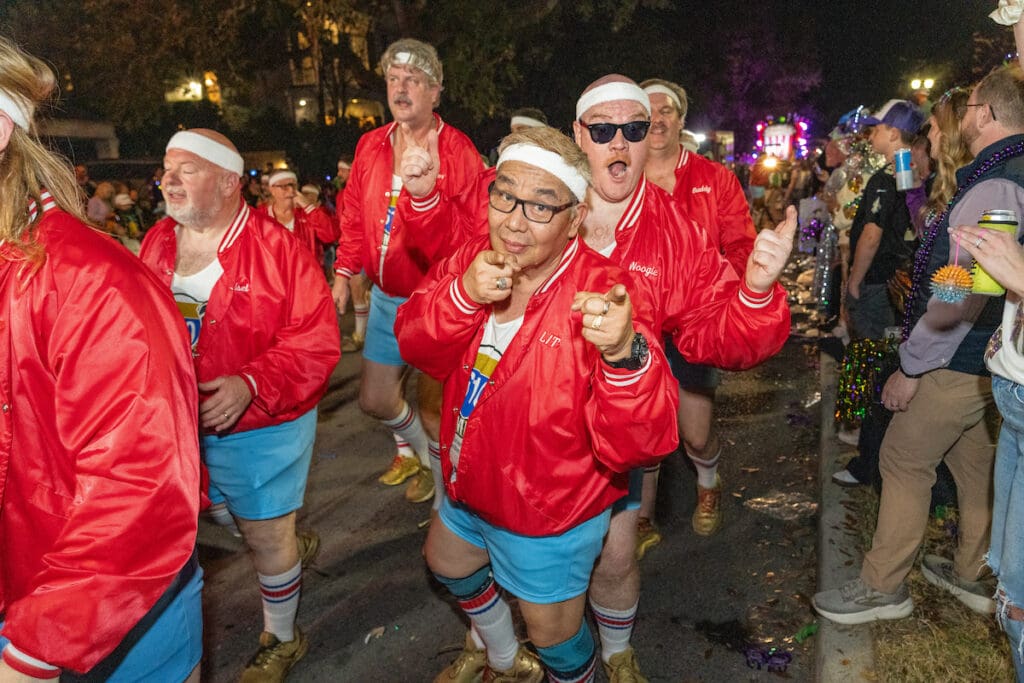
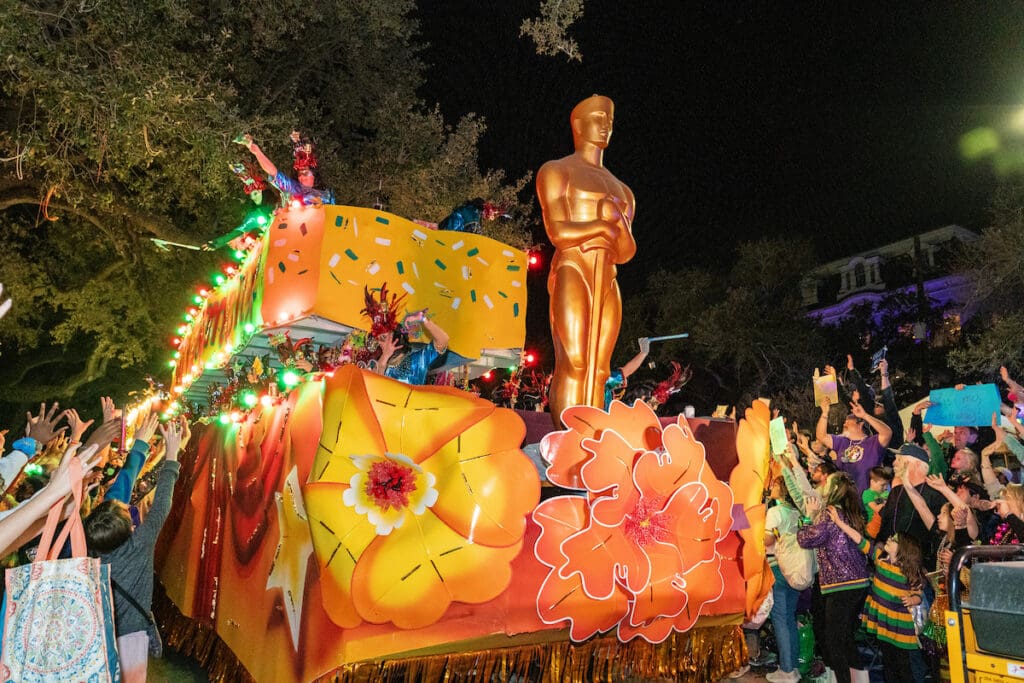
What truly sets the Krewe of Cleopatra apart is its openness. Ladies of all ages and backgrounds are welcomed into its ranks, creating a space where lifelong New Orleanians ride alongside women who traveled from across the country to be part of Carnival history. That inclusivity is felt on the route, where the crowd mirrors the diversity of the riders themselves—families, longtime parade-goers, and wide-eyed first-timers all swept up in the same moment.
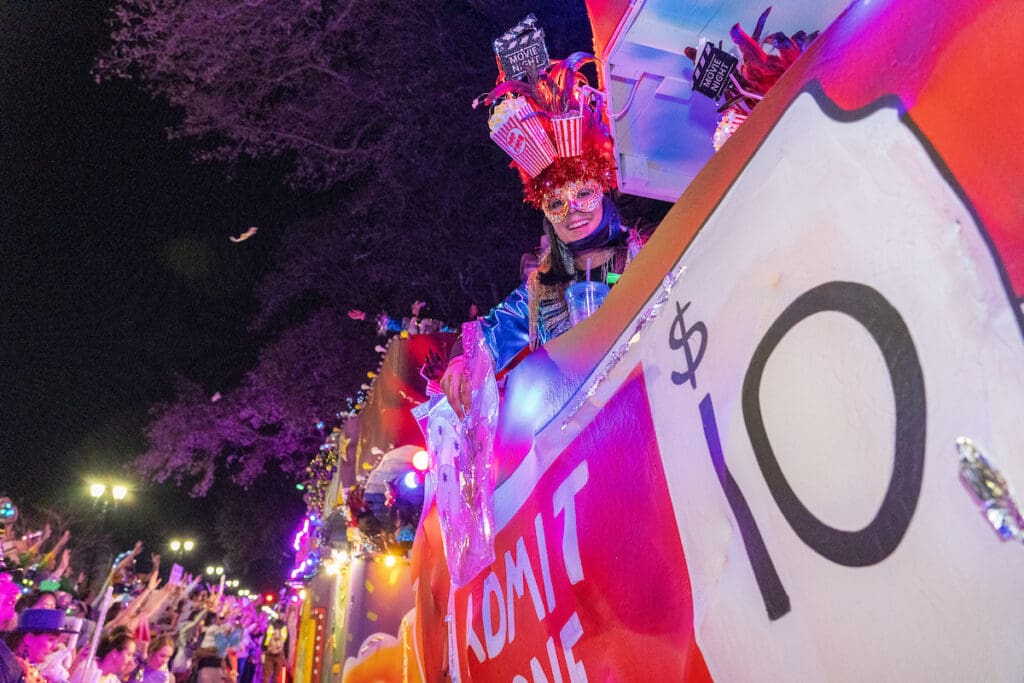
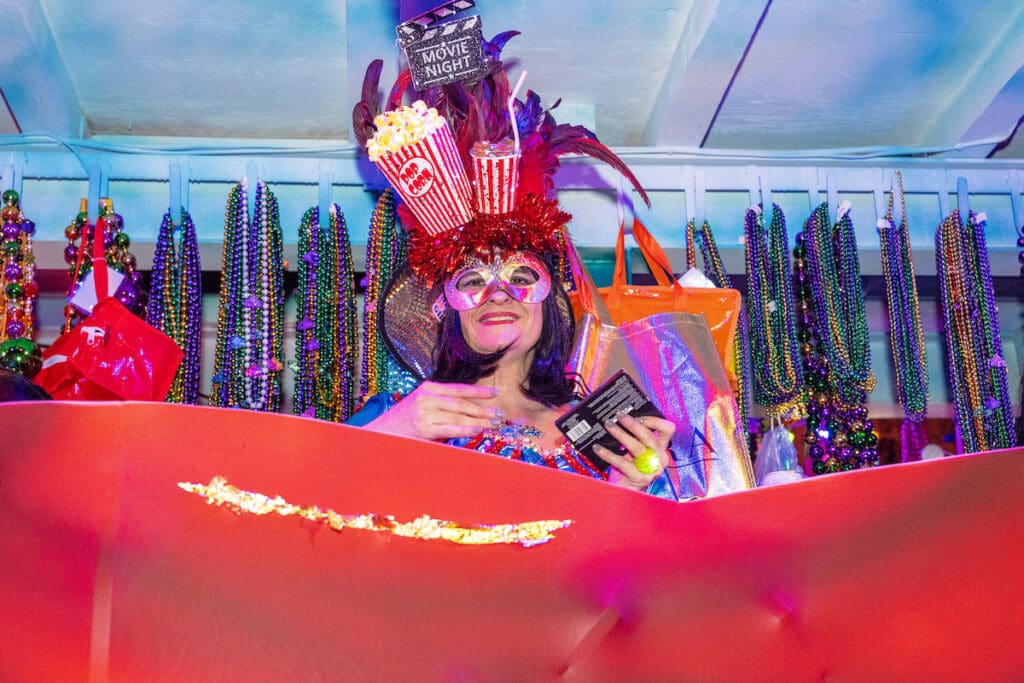
As beads glinted under the streetlights and music echoed down St. Charles Avenue, the Krewe of Cleopatra once again proved why it holds such a special place in Mardi Gras tradition. It honored the past without being bound by it, celebrated femininity without limits, and kicked off Carnival with confidence, camaraderie, and heart.
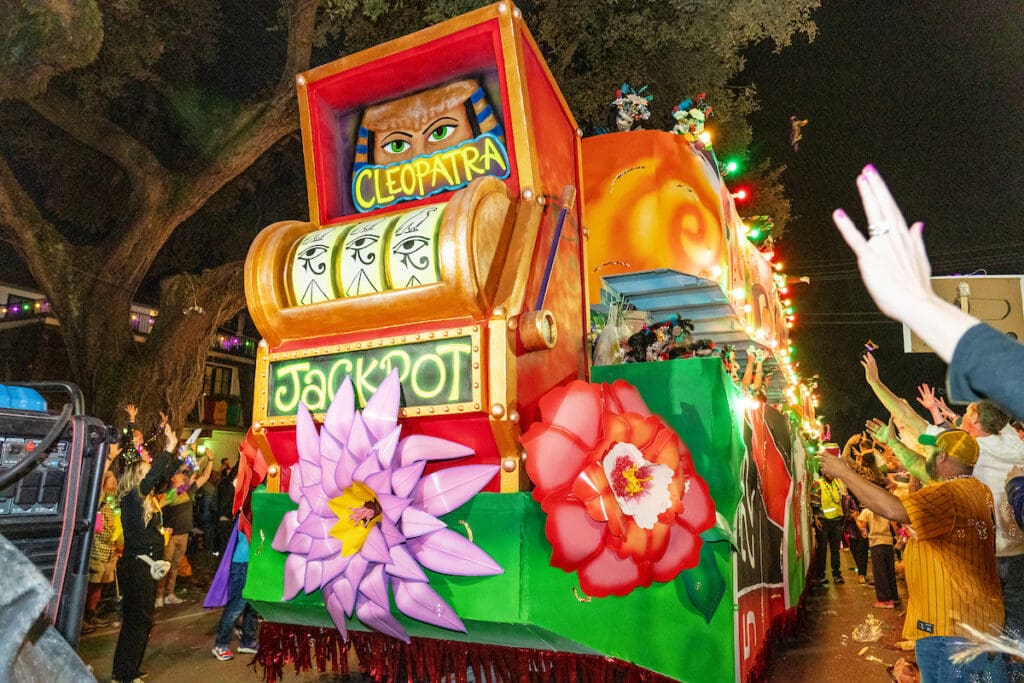
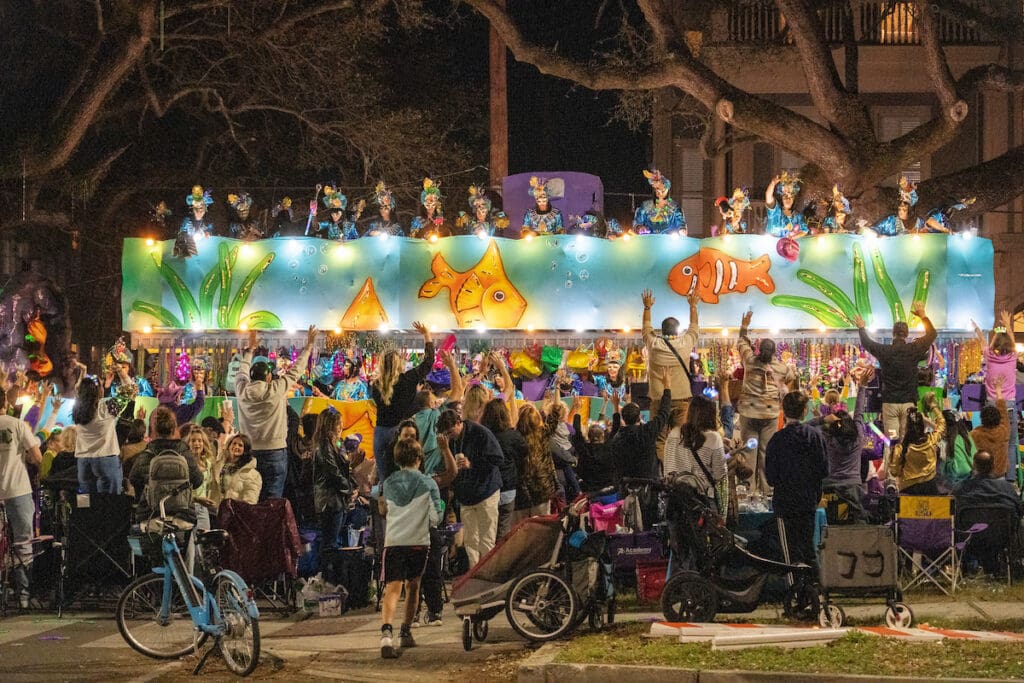
When the final float passed and Uptown slowly settled back into the night, one thing was certain: Friday night belonged to the girls—and the Krewe of Cleopatra had claimed it in spectacular fashion. For New Orleans, that meant Carnival was officially underway, led by a sisterhood that continues to redefine what power, beauty, and tradition look like—one parade at a time.