


Shipshewana, Indiana is the heart of the third largest Amish community in the world and home to the Menno-HOF Museum. At the Menno-HOF, the culture and history of the Amish and Mennonites is on display for visitors to better understand their faith and life. The museum is non-profit and makes for the perfect first stop when going to explore the beauty of Amish country.
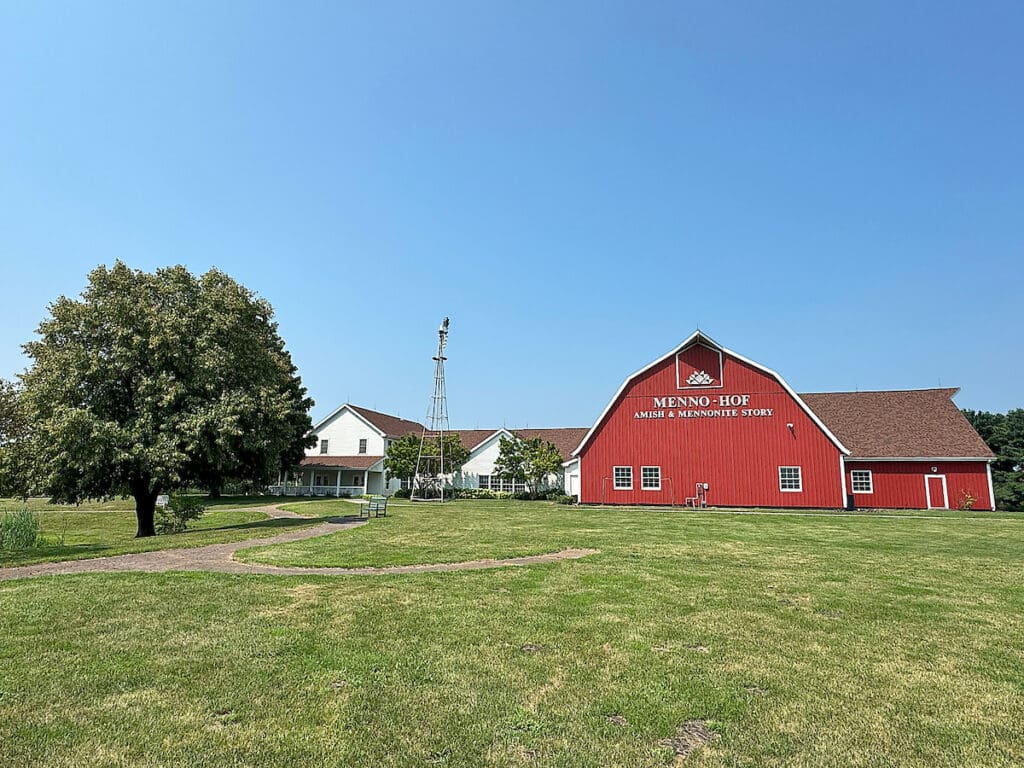
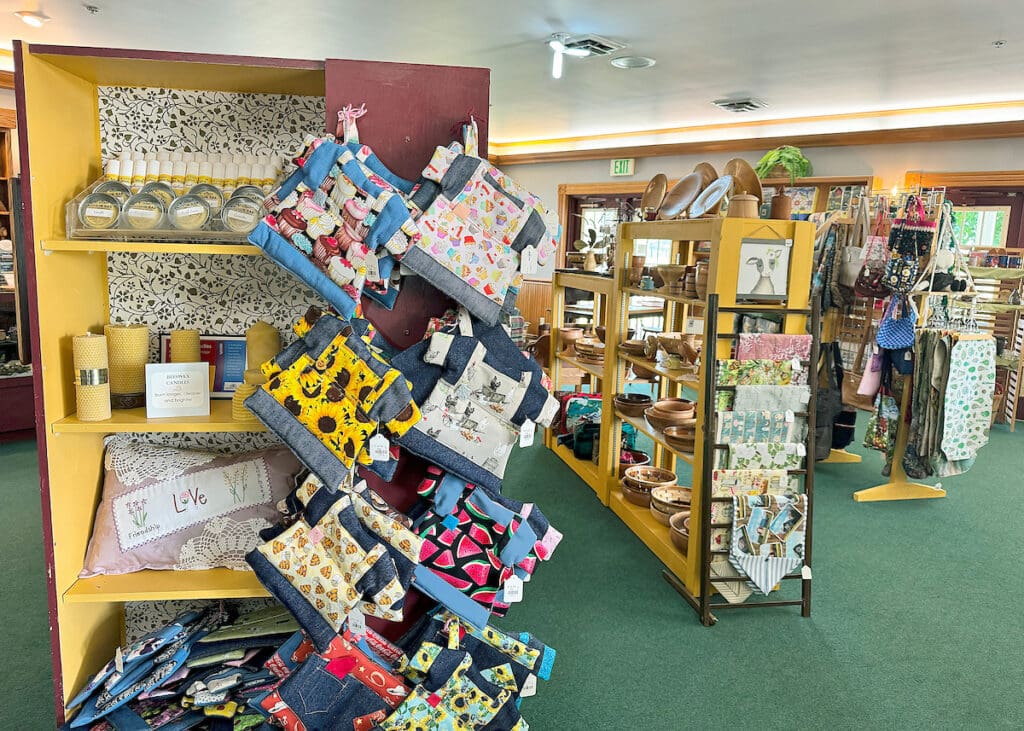
Visitors first watch an introductory video supplemented with songs from church services. Video presentations can be found all around the museum, giving insight on the many genuine artifacts and historical information. Three sects of Anabaptism are highlighted in the museum: Amish, Mennonite, and Hutterite.
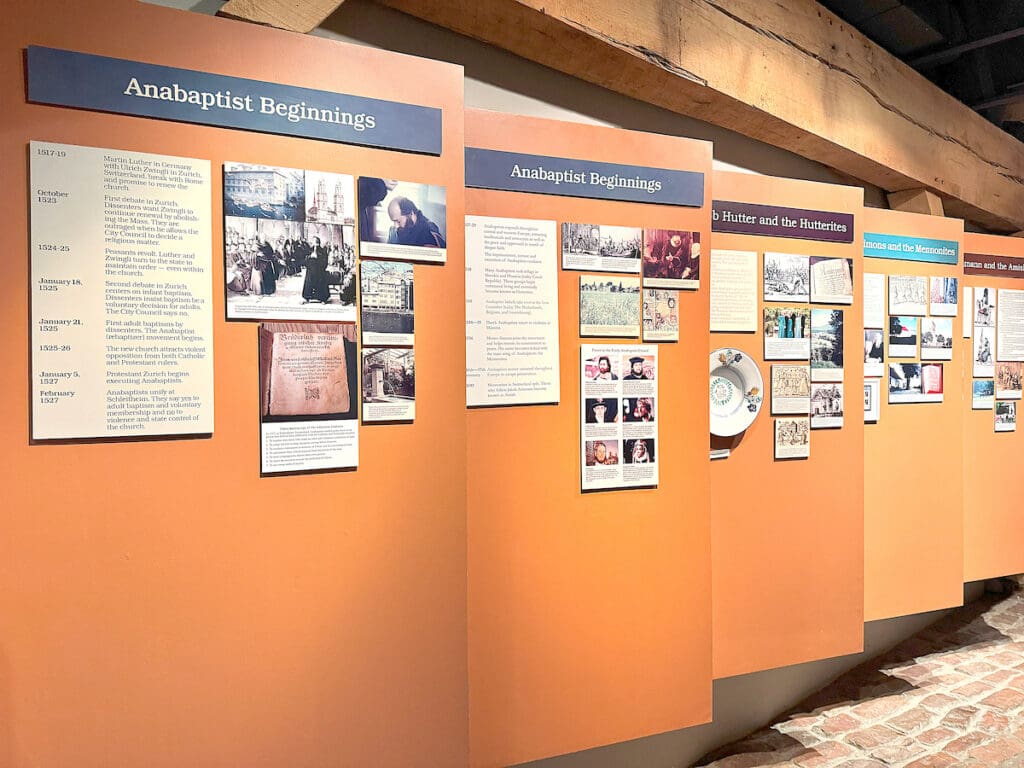
The Anabaptist movement began in Zurich, Switzerland, all the way back in 1525, when a group of Christians began baptizing adults — a practice that strayed from the usual baptism of infants. The Anabaptists believed that there should be a separation of church and state, voluntary baptisms, pacifism, and dedication to Christ. 2025 marks the 500 Year Anniversary of the Anabaptist movement.
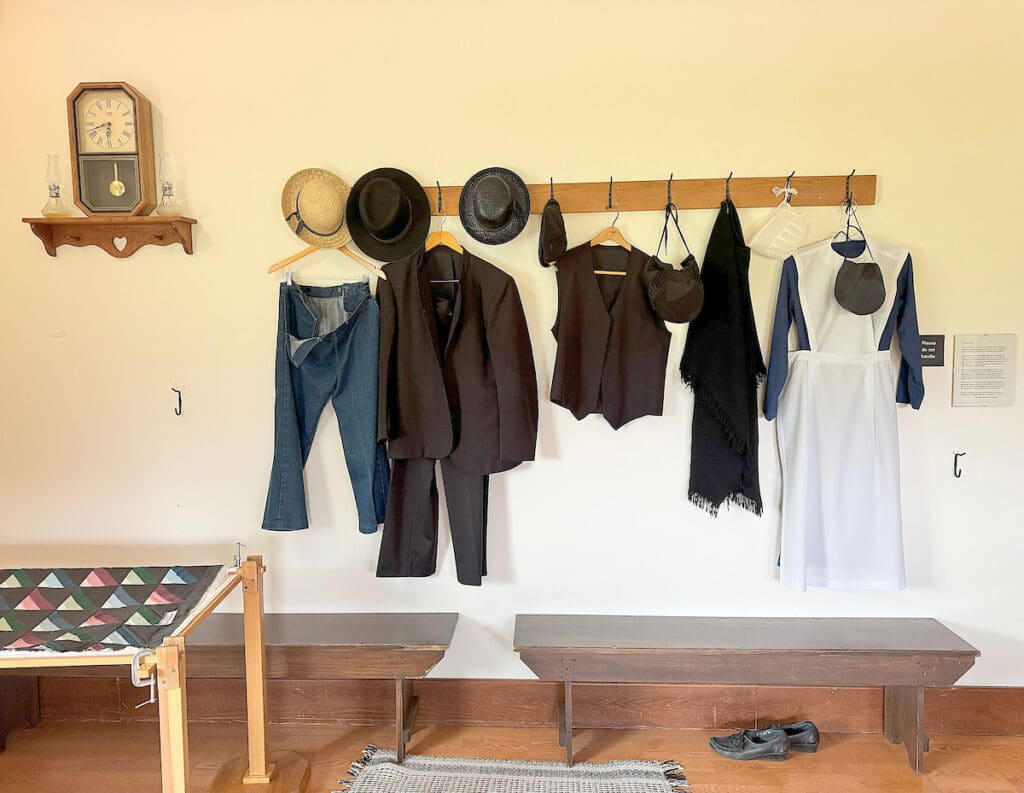
The Mennonites mainly dress and work like the rest of the world around them. The Hutterites practice more communal societies and live on common properties with one another. Both of these sects embrace technology, but their dress and way of living may differ between communities. The Amish are more conservative in their culture, mainly refraining from technology use and traveling by horse and buggy.
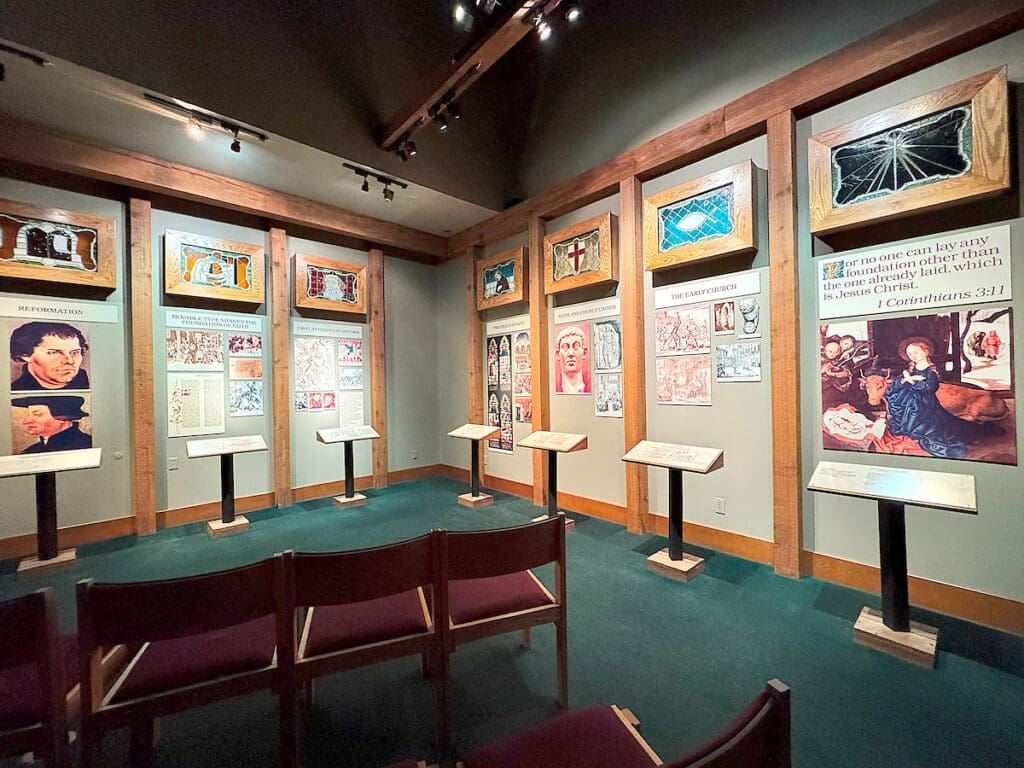
The Amish first arrived in the US as German immigrants, many of them residing in Pennsylvania. Their language, Pennsylvanian Dutch, is a blend of English and German.
The community has a strong sense of family and is firmly against birth control. As the world around them changes, the Amish must decide amongst themselves to accept or reject new technologies and conveniences.
To the Amish, cars are status symbols that use holy resources from the Earth and are a danger to others. They are also always looking at how aspects of their lives and culture affect the community. Boundary maintenance is a practice that the Amish use to preserve their culture and separate themselves from the outside world. These boundaries include clothing, restrictions on technology, rural living, dialect, and church attendance.
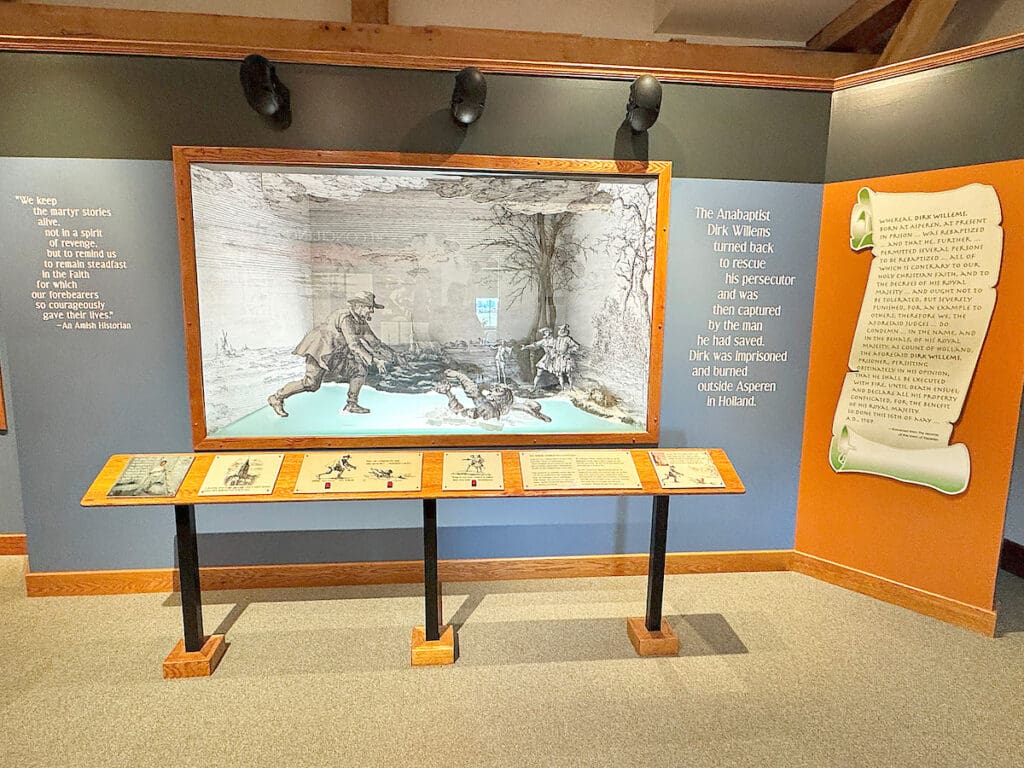
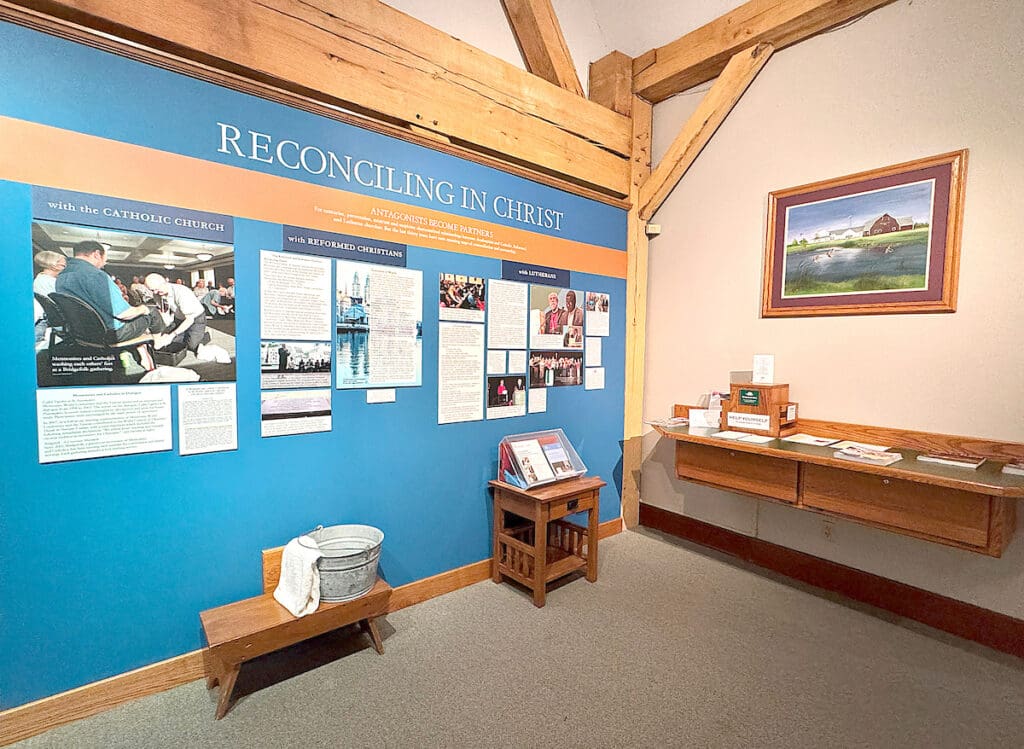
In the second section of the museum, a deeper history of Anabaptism was dissected. The Anabaptists’ belief in re-baptism and baptism by free will went against the Roman church, making them considered heretics who were then persecuted by the government and state. Visitors can walk through a hauntingly dismal dungeon room showing how the Anabaptists were tortured. Hundreds of years later, the Anabaptists made amends with the three churches that persecuted them the most.
A self-guided tour is offered through a section of the museum about the first Anabaptists to sail to America. William Penn, a Quaker who was one of the first to arrive, was the founder of the Province of Pennsylvania. Penn sought to peacefully coexist with Native Americans and saw a vision of religious freedom for all settlers. His peaceful approach and consenting relationships allowed for Pennsylvania to flourish in its early days.
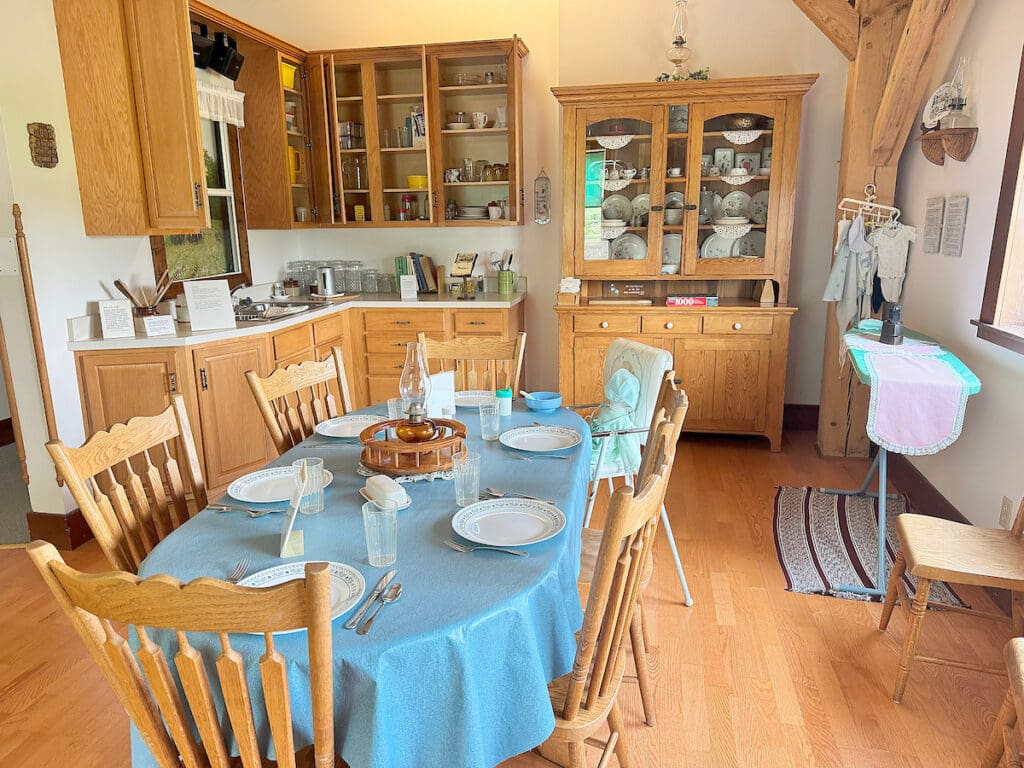
Many Anabaptists choose to live a rural life, sending them into areas that are prone to severe weather like tornadoes. The museum has a special tornado room where guests can experience a simulated tornado. Here, the Mennonite Disaster Service (MDS) is introduced as a non-profit volunteer organization to aid Anabaptists affected by severe weather. The museum concludes with a step into a replica Amish home representative of current day-to-day Amish living.
The Menno-HOF Museum is closed on Sundays and open Monday through Saturday from 10 a.m. to 5 p.m. Guided tours are offered every day from 10 a.m. to 3:45 p.m. It is recommended that you set aside about 1 hour and 15 minutes to fully explore the museum. Admission fees are $9.50 for adults, $5 for children 6-14, and free for children under 6. This museum is an eye opening and educational experience for anyone looking to understand more about the Anabaptists and Amish country.