


Exploring one of America’s most significant Civil War battlefields during a stop in Vicksburg while cruising the Mississippi River aboard Viking Mississippi
Cruising the Mississippi River offers a unique way to experience American history, and during our journey aboard the Viking Mississippi, we stopped in Vicksburg, Mississippi, to explore one of the most important Civil War sites in the country: Vicksburg National Military Park. One of the most unique things about Viking is the amount of historical information they provide for each port of call. The ships always have guest lecturers who give guests a perspective on the history of the area.
In Vicksburg, guest lecturer James Wiggins was onboard to discuss the history of enslavement in the Pre-Civil War South and Aaron Sheehan-Dean discussed the significance of Vicksburg’s pivotal battle in the Civil War.
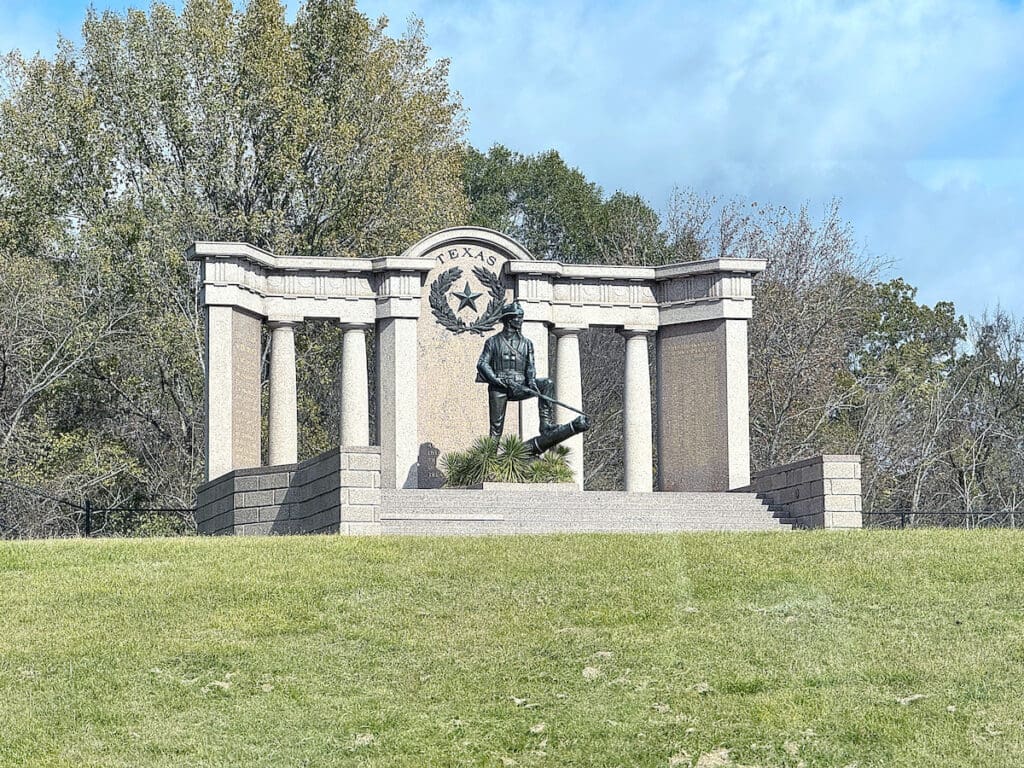
The park preserves the landscape where the Union and Confederate armies fought for control of Vicksburg and, ultimately, the Mississippi River. Today, more than 1,400 monuments, markers and memorials line the battlefield, telling the stories of the soldiers, sailors and civilians whose lives were forever changed by the campaign.
Why Vicksburg Was So Important
The Mississippi River was critical to transportation, commerce and military strategy during the Civil War. Vicksburg’s location high on the bluffs overlooking the river made it a particularly important stronghold for the Confederacy.
Union General Ulysses S. Grant understood that capturing Vicksburg would give the Union control of this vital waterway. The Vicksburg campaign began in the spring of 1863 and involved more than 100,000 troops across several battles before the Union forces surrounded the city.
After two unsuccessful assaults on the Confederate defenses, Grant turned to a siege. From May 23 through July 4, 1863, Union forces surrounded Vicksburg for 47 days while Confederate troops under Lt. General John C. Pemberton defended the city.
The conditions inside Vicksburg became increasingly difficult as food and supplies dwindled. On July 4, 1863, Pemberton surrendered to Grant. The victory gave the Union undisputed control of the Mississippi River and effectively divided the Confederacy. The Civil War itself would continue for nearly two more years, but the fall of Vicksburg was a major turning point in the conflict.
The Story of African American Soldiers
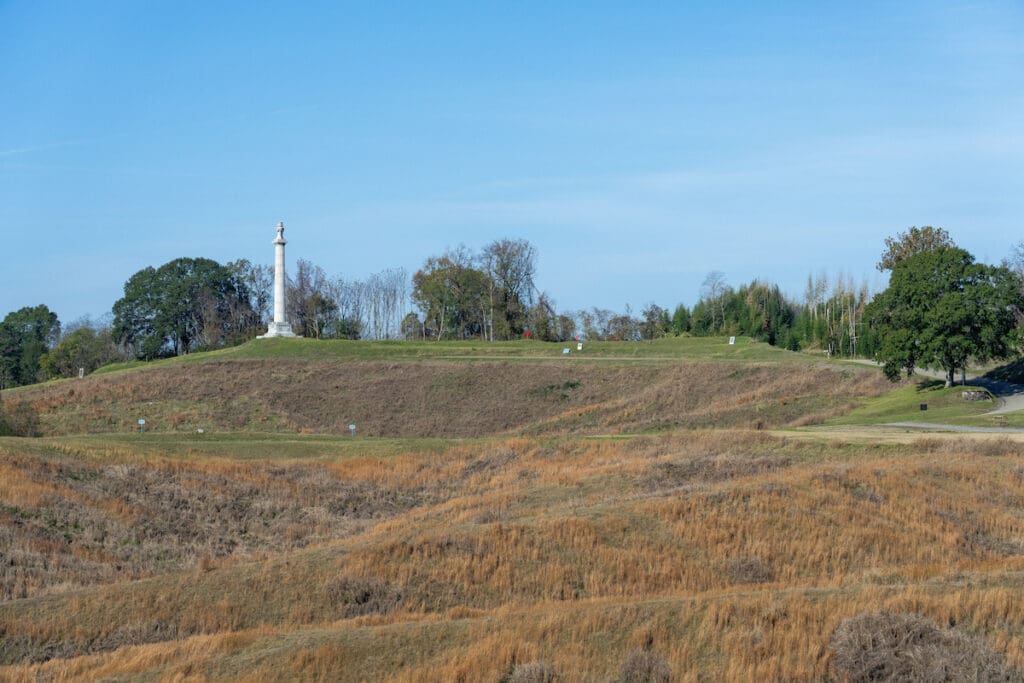
An important part of the Vicksburg story is the role of African American soldiers. African American troops participated in fighting around Vicksburg, including the Battle of Milliken’s Bend in Louisiana. The battle became an important proving ground for the United States Colored Troops, who faced Confederate forces while defending a Union supply depot.
Their participation challenged prevailing racist assumptions about the abilities of Black soldiers and became an important part of the larger history of African American military service during the Civil War.
Thousands of African American soldiers would eventually serve in the Union Army, and the Vicksburg area remained an important location for Black military service and the transition from slavery to freedom.
A Battlefield Filled With Monuments
Today, it can be difficult to imagine the intensity of the fighting while driving through the peaceful landscape of Vicksburg National Military Park.
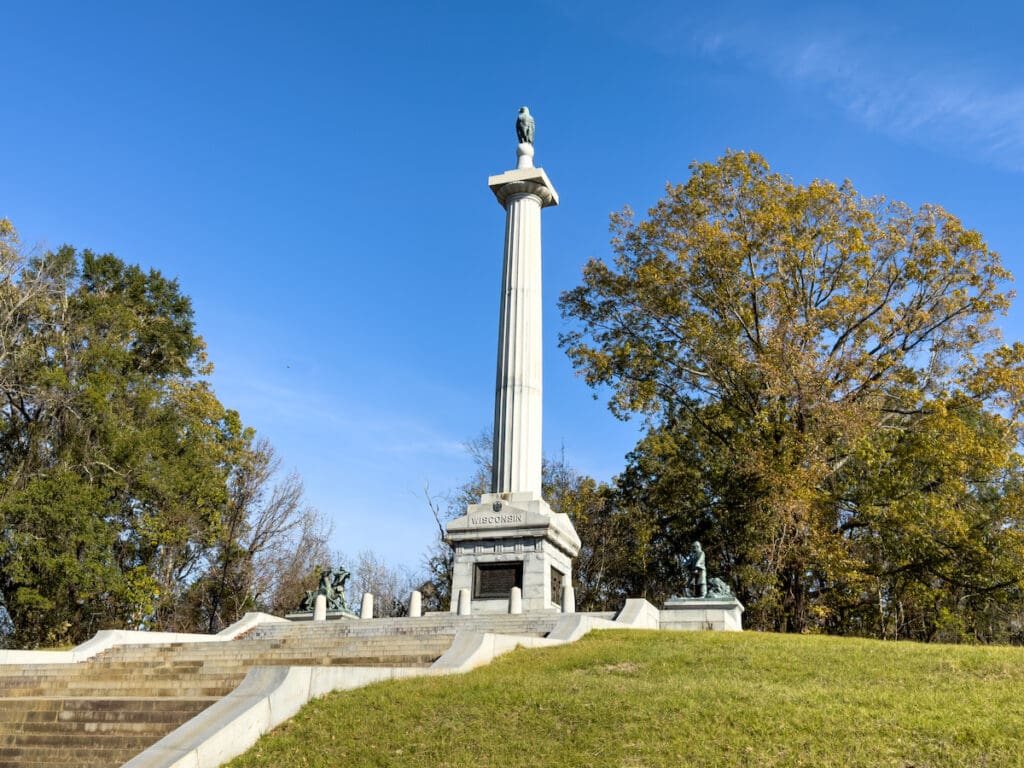
The park encompasses the historic battlefield, including earthworks, forts, cannon positions, reconstructed trenches and other remnants of the campaign. The landscape itself helps visitors understand why Vicksburg was so difficult to capture. One of the most striking aspects of a visit is the sheer number of monuments.
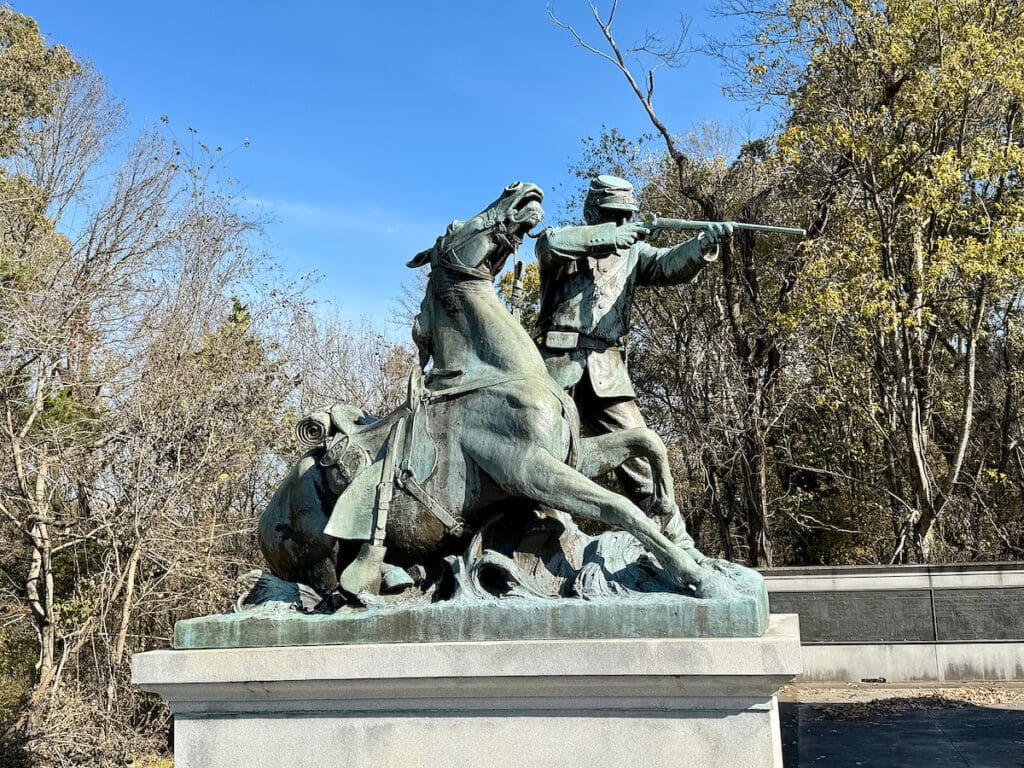
More than 1,400 monuments, tablets and markers are located throughout the park. Some honor individual soldiers and military leaders, while others commemorate regiments and states that participated in the campaign.
Many of the monuments were commissioned soon after the park was established in 1899, bringing some of the country’s leading architects and sculptors to Vicksburg. More than 95 percent of the park’s monuments were installed before 1917. The result is an extraordinary outdoor collection of sculpture and architecture spread across the battlefield.
Vicksburg National Cemetery
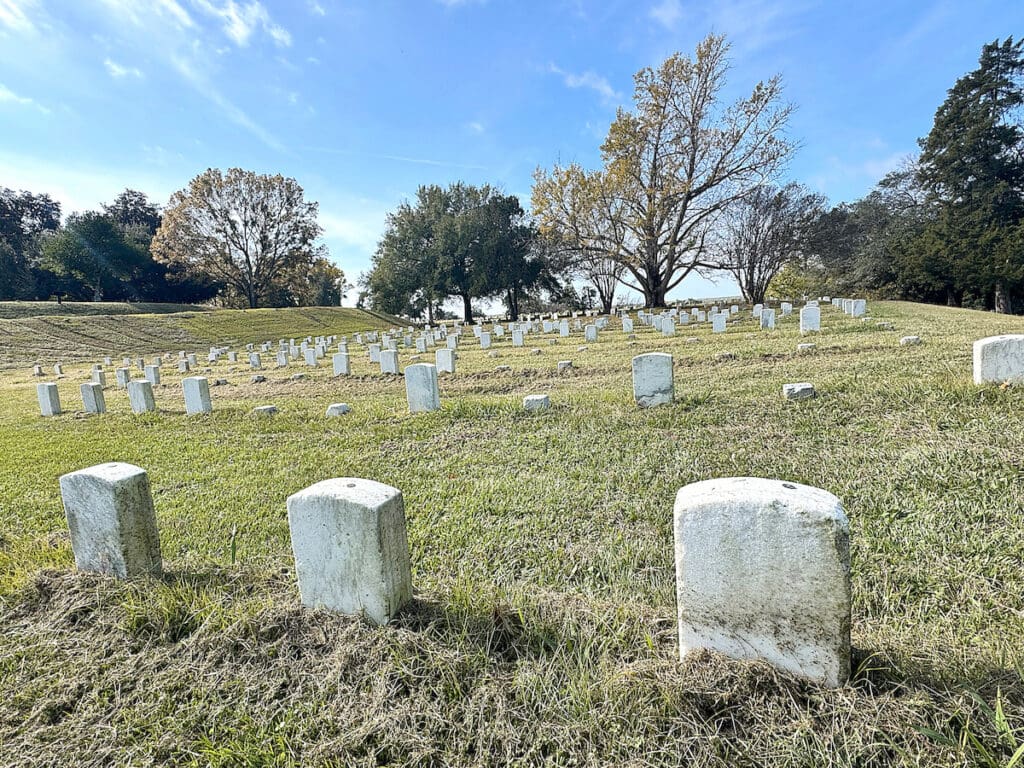
One of the most moving stops in the park is Vicksburg National Cemetery. Established in 1866, the cemetery became the final resting place for Union soldiers who died during the Vicksburg campaign and occupation. More than 17,000 Union soldiers are buried here, making it the largest cemetery for Union Civil War burials in the country. Nearly 13,000 of those buried are unidentified.
The cemetery also contains the graves of United States Colored Troops and veterans from later conflicts, including the Mexican-American War, Spanish-American War, World Wars I and II, and the Korean War.
Walking among the rows of headstones is a powerful reminder that the history represented by the battlefield isn’t simply about military strategy. It is about the enormous human cost of the war.
Exploring the Park Today
One of the best ways to experience Vicksburg National Military Park is by following the 16-mile Tour Road, which includes 15 designated stops through the battlefield. The route passes earthworks, monuments, cannon positions and other important locations from the campaign.
Visitors can explore the park using the National Park Service app or other available battlefield resources, which provide historical information and audio-tour options.
For visitors who want a deeper understanding of the battle, guided vehicle tours are also available. A professional guide can provide context about the military campaign as well as the experiences of civilians living in Vicksburg during the siege.
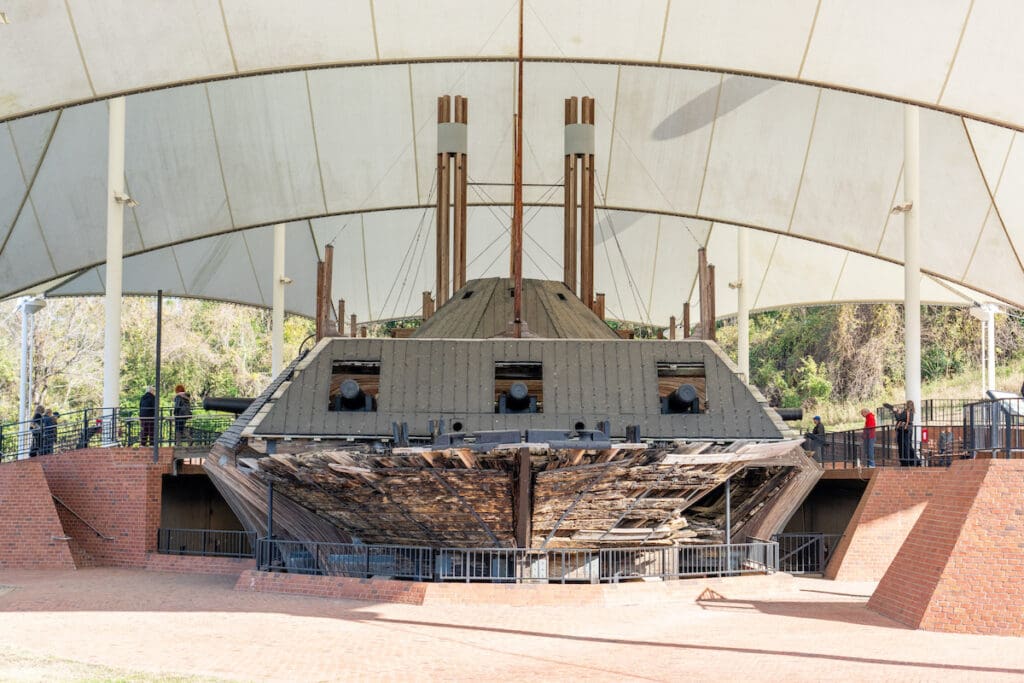
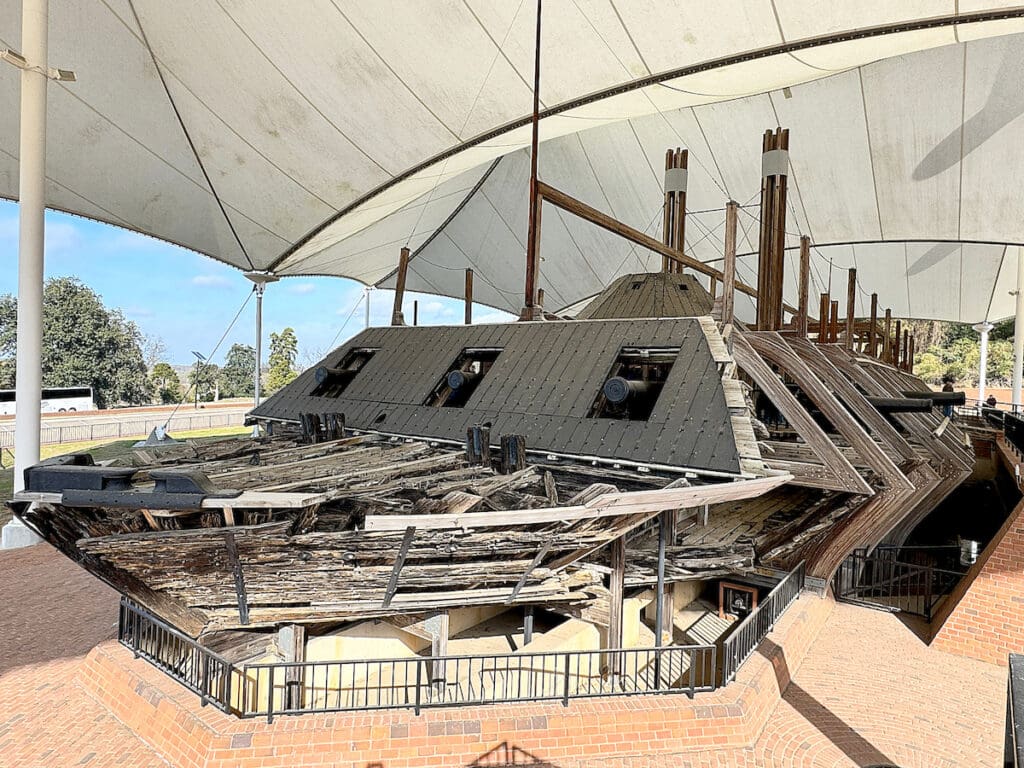
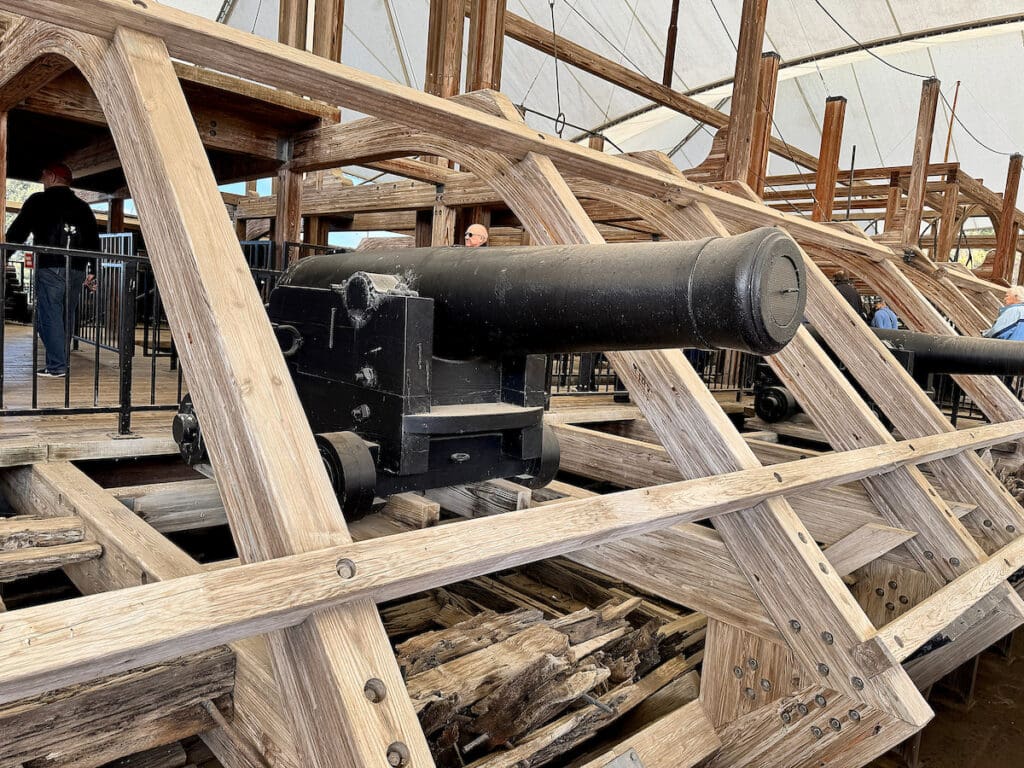
The park also includes the USS Cairo, an ironclad gunboat that was used by the Union during the Civil War. The restored vessel and museum offer another perspective on the important role the Mississippi River played in the conflict. The ship was one of the highlights of our tour of the grounds.
Planning Your Visit
Vicksburg National Military Park is open from sunrise to sunset daily. The Tour Road is currently open to vehicles from 8:30 a.m. to 5 p.m., with the last vehicle entry at 4:40 p.m. The Visitor Center is open Wednesday through Sunday from 8:30 a.m. to 4:30 p.m., while the USS Cairo Museum is open daily from 8:30 a.m. to 4:30 p.m.
The current entrance fee is $20 per private vehicle or $10 per person for visitors arriving on foot.
If you are visiting Vicksburg as part of a Mississippi River cruise, it is worth allowing enough time to explore beyond the city itself. The military park provides an opportunity to understand why this particular stretch of the Mississippi River was so important during the Civil War.
Connecting the Past With the Present
Visiting Vicksburg while traveling the Mississippi River gave us a different perspective on both the river and American history.
From the deck of a riverboat, it is easy to appreciate the Mississippi as a beautiful and peaceful waterway. But standing on the bluffs at Vicksburg and looking across the landscape, it becomes easier to understand why control of the river was so strategically important during the Civil War.
Today, the battlefield is quiet. The trenches and earthworks are surrounded by trees and grass, monuments stand where soldiers once fought, and the river continues flowing past Vicksburg.
But the stories remain.
Vicksburg National Military Park is more than a collection of monuments and battlefields. It is a place to reflect on the Civil War, the struggle over slavery and freedom, the soldiers who fought and died, and the people whose lives were transformed by one of the pivotal campaigns in American history.
For travelers exploring the Mississippi River, it is a destination that deserves time to stop, walk the grounds and listen to the stories of the past.