


During our Viking Mississippi cruise, a stop in Darrow, Louisiana, gave us the opportunity to visit Whitney Plantation as one of the ship’s excursions. Of all the excursions offered during the cruise, this was one I was looking forward to the most. Whitney’s historical significance, combined with its commitment to telling the true stories of the enslaved people who lived and worked there, made this a particularly meaningful stop for me.
Whitney Plantation and its museum are dedicated to preserving and sharing one of the most difficult chapters in American history. Located along Louisiana’s historic River Road, Whitney Plantation is the only plantation museum in Louisiana solely focused on the history of slavery. The 200-acre site is listed on the National Register of Historic Places and commemorates the hundreds of enslaved people who lived and died there.
Rather than focusing on the lives of plantation owners or romanticizing the antebellum South, Whitney Plantation places the experiences of enslaved people at the center of its interpretation. The site contains 16 original and restored structures, along with numerous memorials that tell the stories of those who were forced to work there.
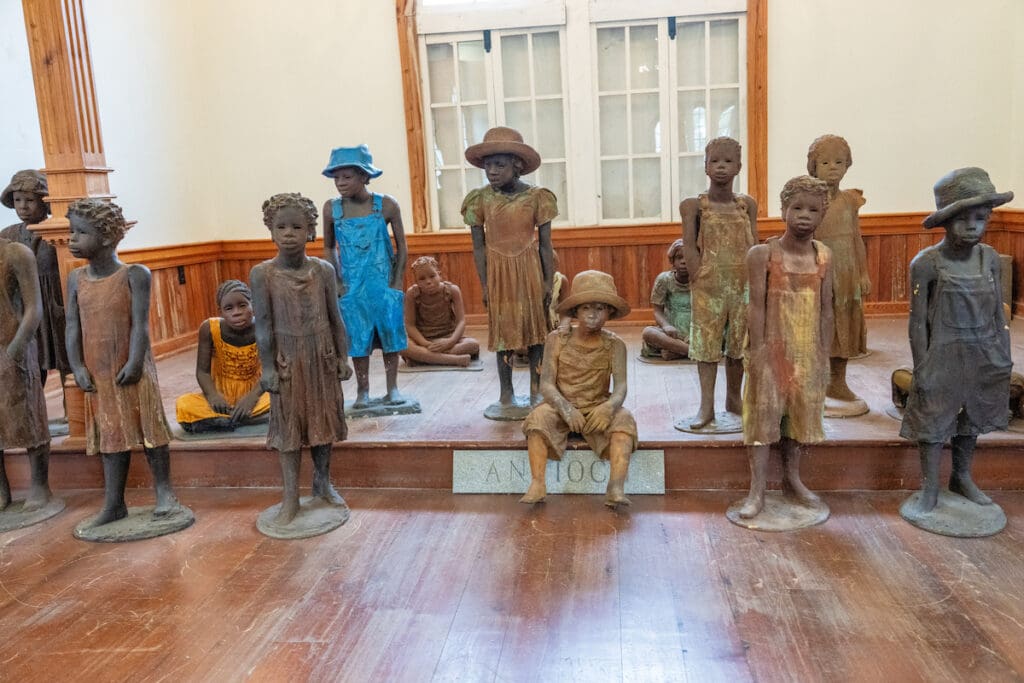
From Indigo Plantation to Sugar Production
More than 200 years ago, the property was known as Habitation Heidel, an indigo plantation. In 1752, German immigrants purchased the property and relied on the labor of 20 enslaved Africans who had been brought from West Africa and sold into slavery.
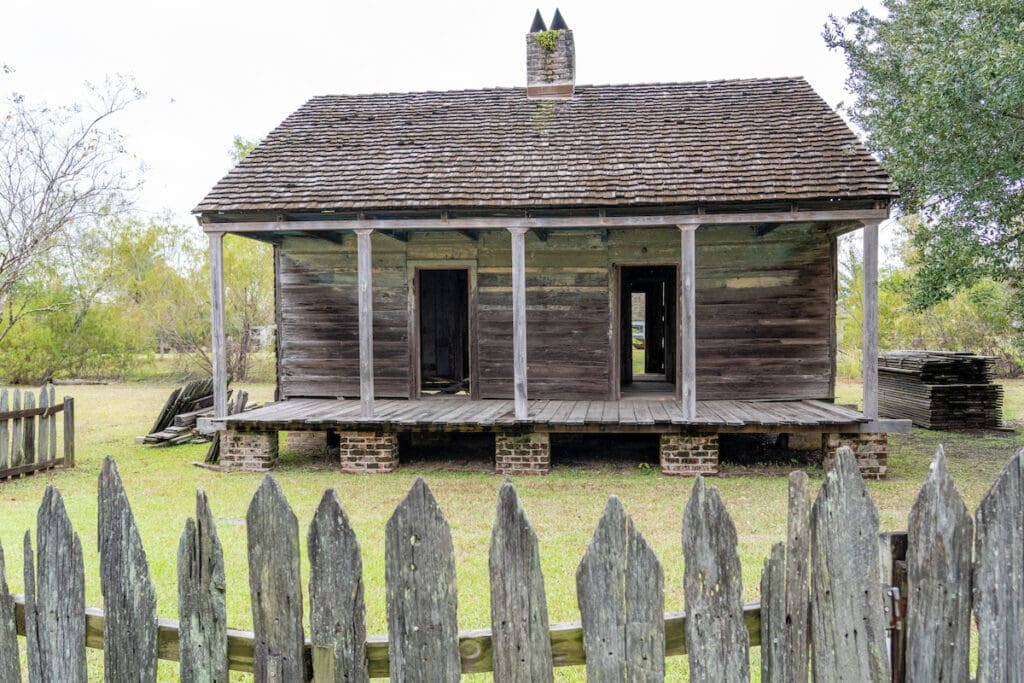
As the family’s children came of age in the late 18th century, they began taking over the management of the plantation. During this period, sugar became an important crop. Sugar cultivation was extremely labor-intensive and required significantly more manpower and resources, increasing the demands placed on the enslaved population.
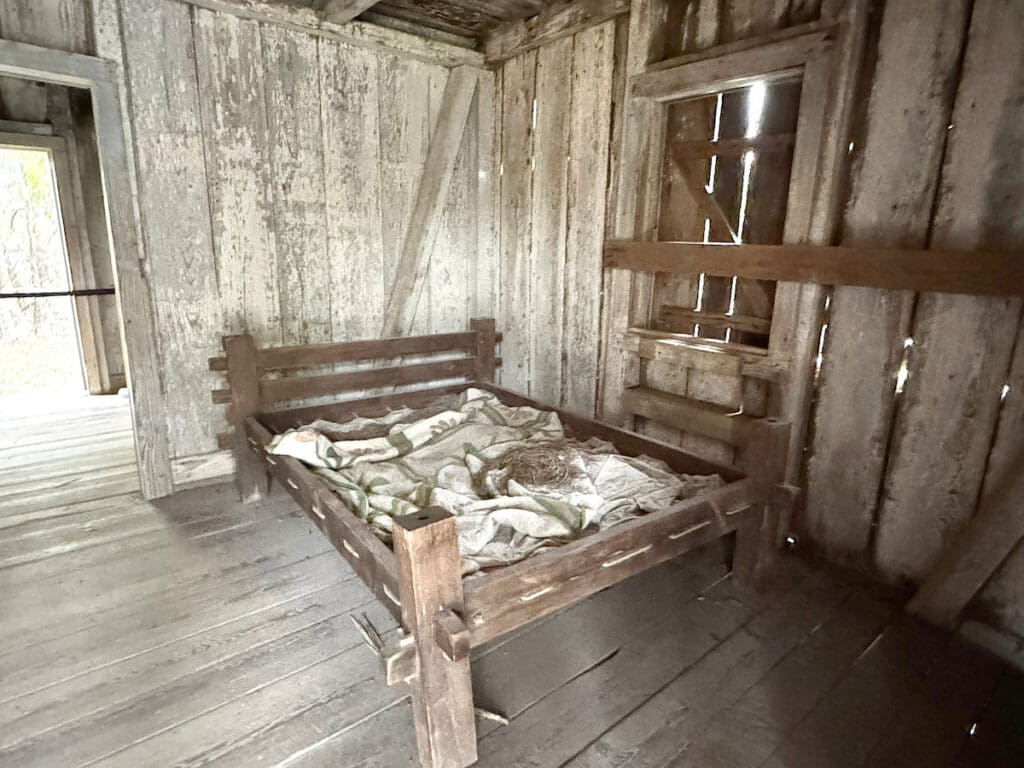
The prosperity of the plantation’s owners came at an enormous human cost.
The Reality of Enslaved Life
While plantation owners accumulated wealth, enslaved people were forced to work long hours in Louisiana’s intense heat and humidity. They endured brutal working conditions, physical abuse, inadequate food and other forms of cruelty throughout the plantation’s history.
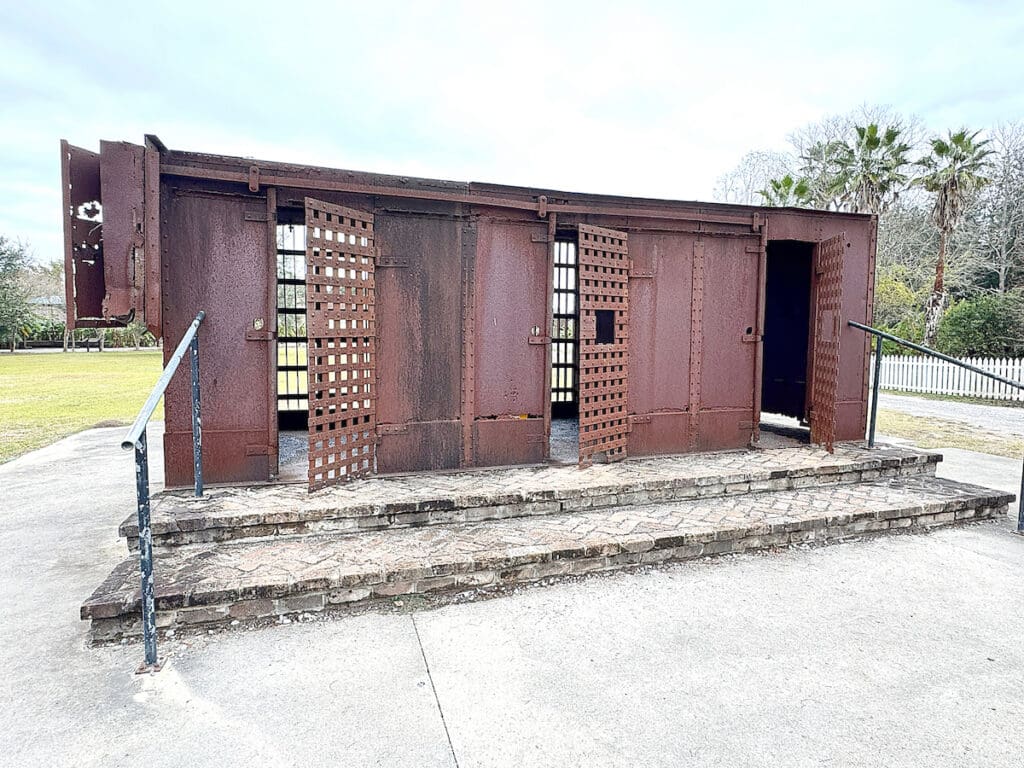
After several changes in ownership, the property came under the control of Azelie Haydel, who owned more than 100 enslaved people at the plantation between 1840 and 1860.
Walking through Whitney today, it is impossible to separate the beautiful Louisiana landscape from the history that took place on it. The preserved buildings and grounds provide a physical connection to a period when people were denied their freedom and treated as property.
From Plantation to Museum
Following the Civil War, the plantation was sold to Bradish Johnson in 1867. He renamed the property Whitney after his daughter. The plantation continued operating until 1975. Later, purchaser John Cummings undertook an extensive effort to restore the property and transform it into a place dedicated to historical education and remembrance.
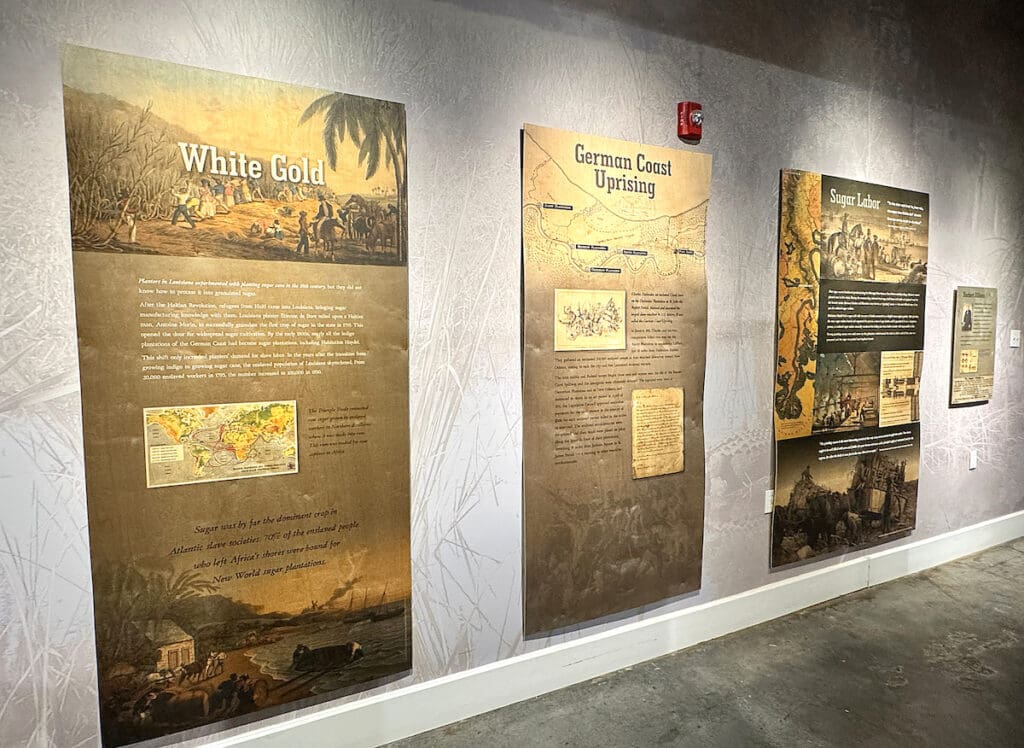
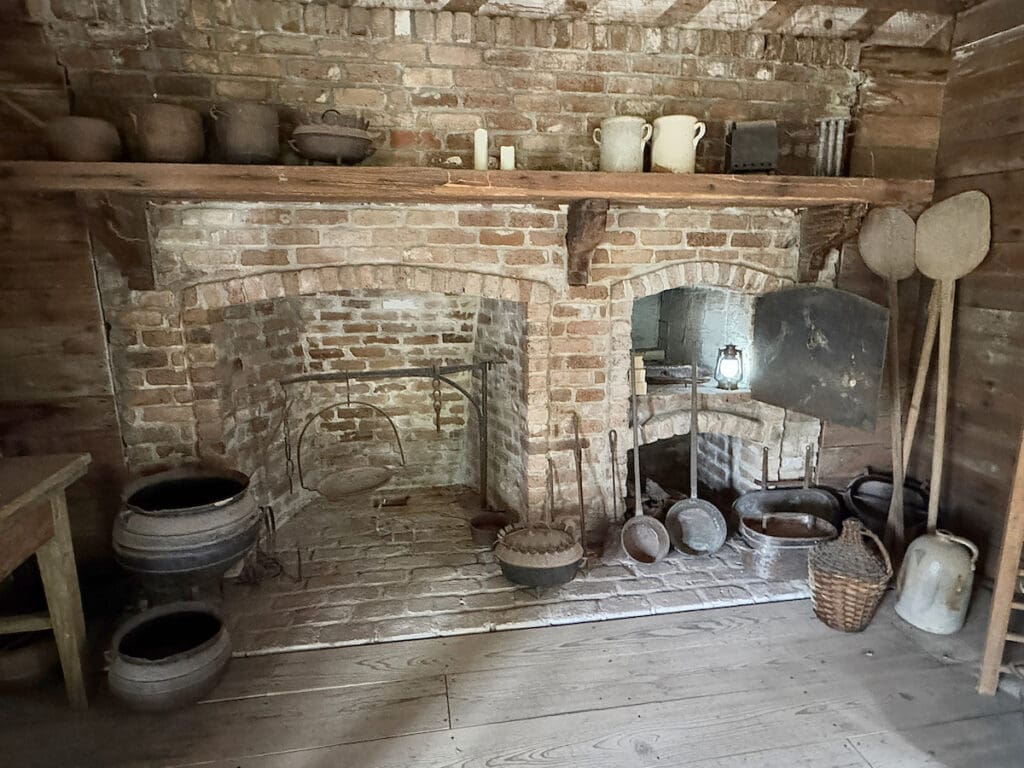
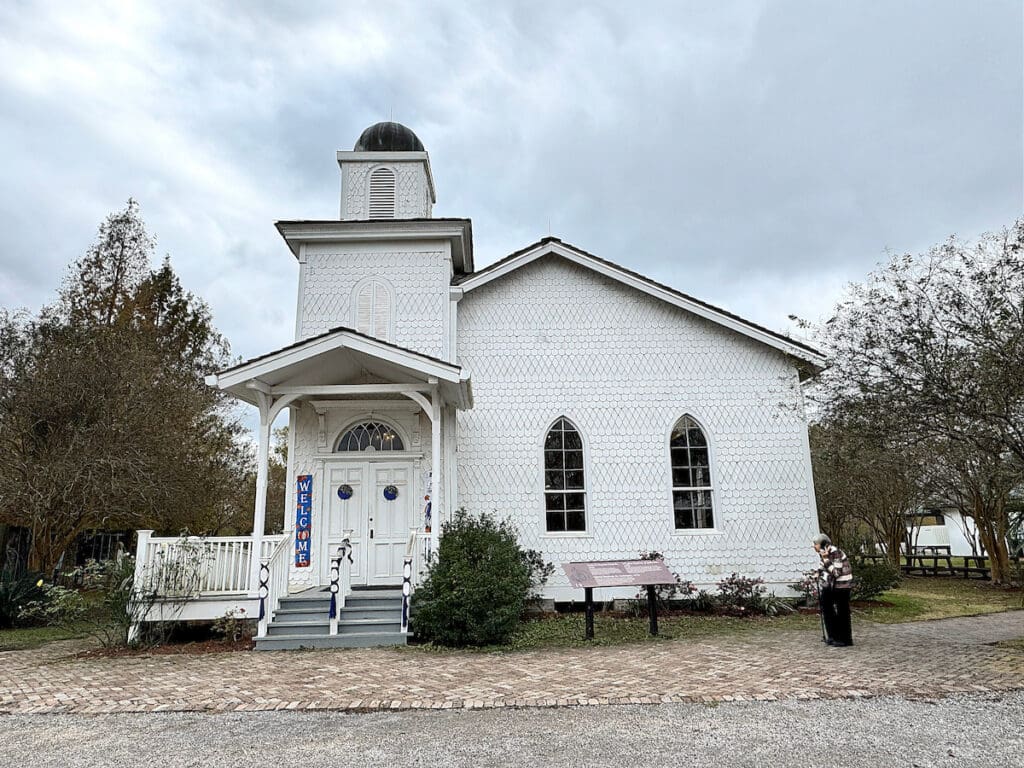
Whitney Plantation opened to the public in 2014. Today, visitors can explore 16 restored structures across the grounds, including several former slave quarters, a Baptist church and the plantation’s Big House. Rather than presenting these buildings simply as examples of antebellum architecture, Whitney places them within the larger story of the people who lived and worked there.
Putting Names and Stories to History
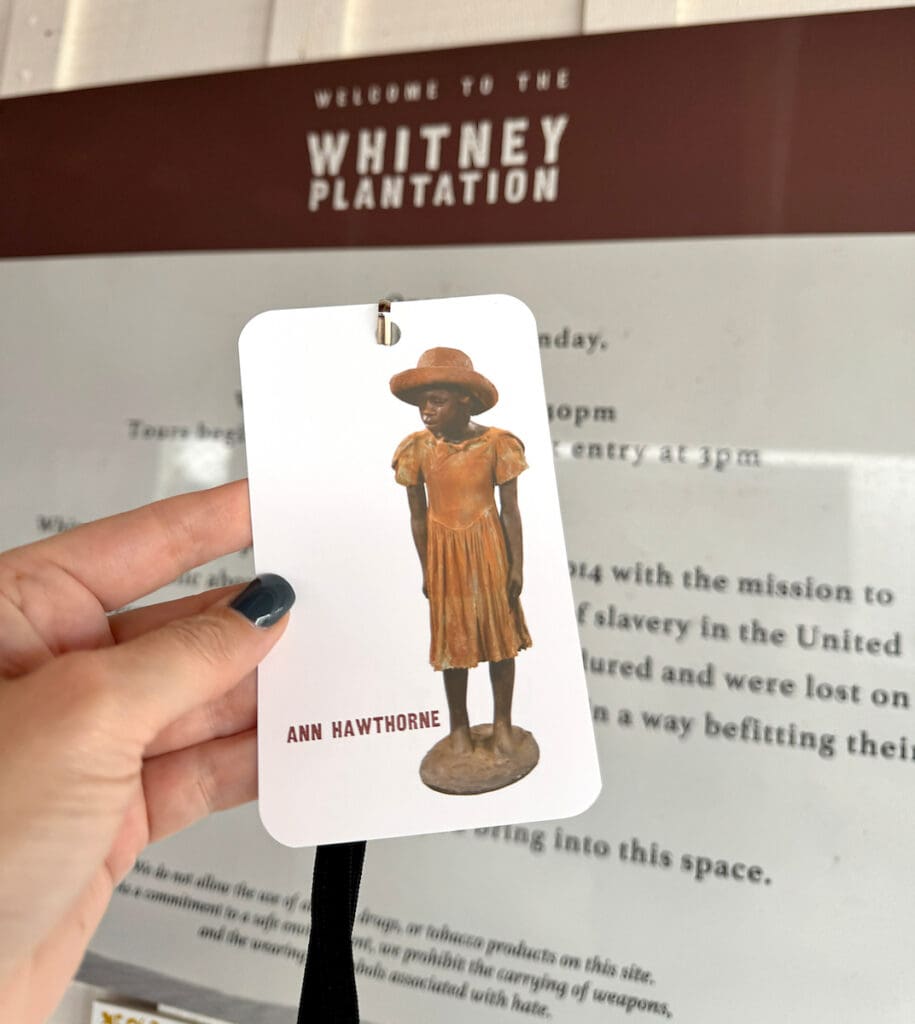
One of the most meaningful aspects of a visit begins before the tour itself. Guests receive a memorial card featuring the history of an enslaved person and a first-person recollection connected to life at Whitney. That personal approach changes the experience. Instead of encountering slavery only through dates and historical facts, visitors are introduced to individual people and their experiences.
The information presented during the tour can be difficult and graphic compared with what visitors may encounter at other plantation museums. At several points, the grounds become remarkably quiet as guests process the stories they are hearing. That silence is part of the experience.
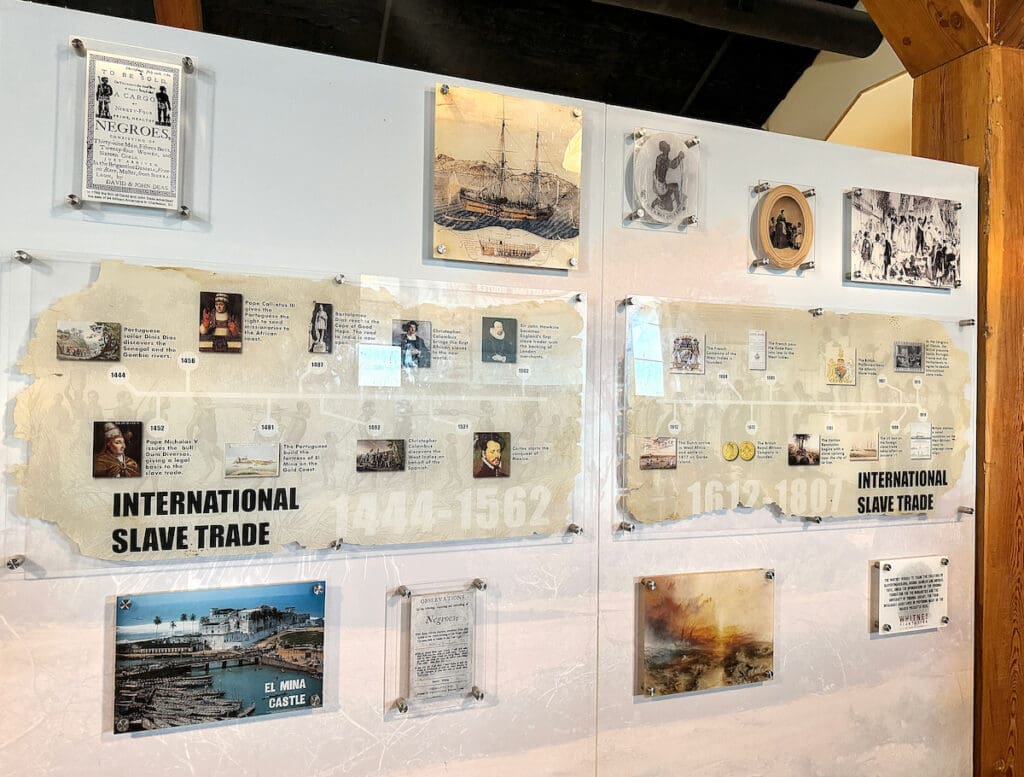
Memorials That Remember the Enslaved
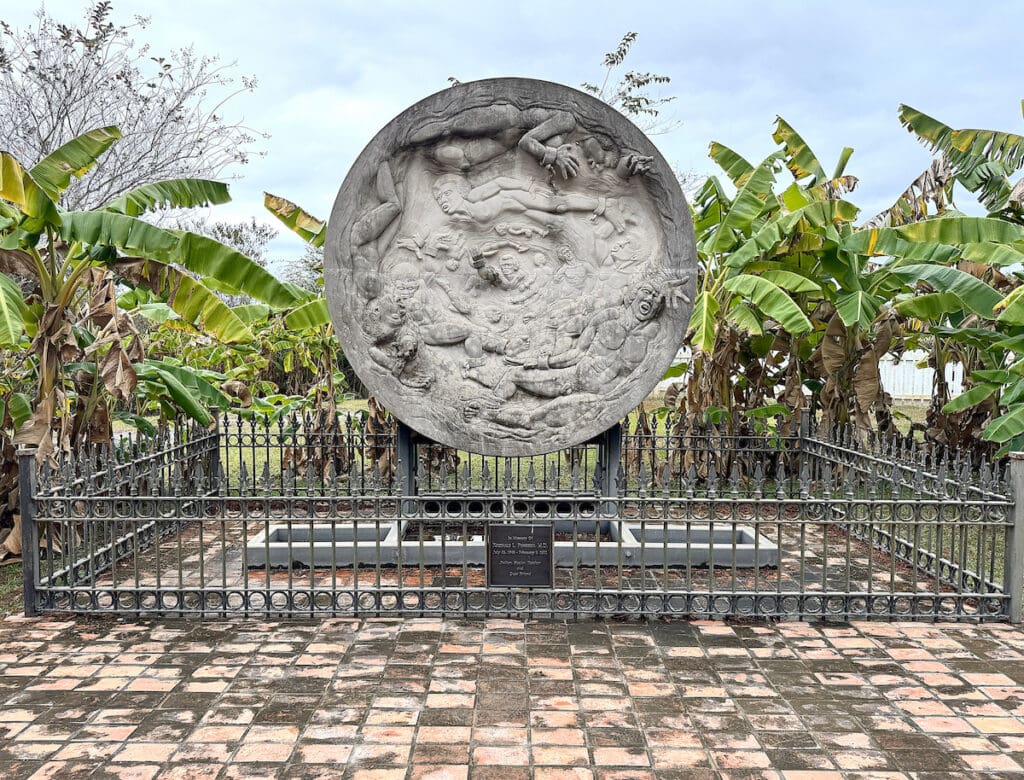
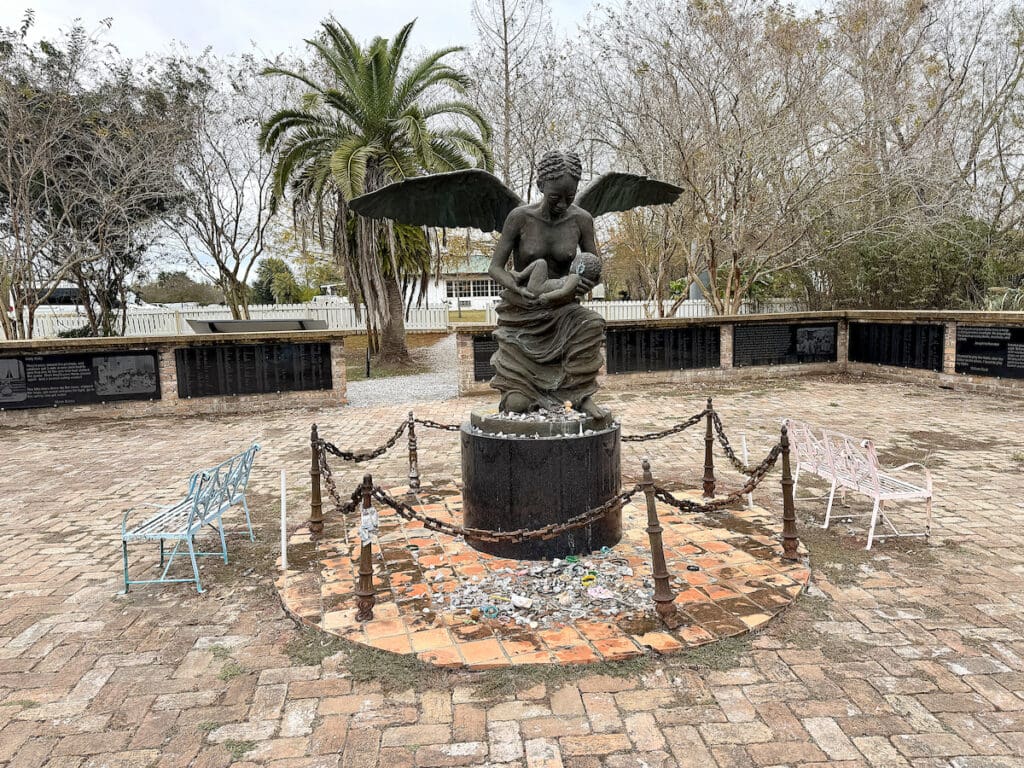
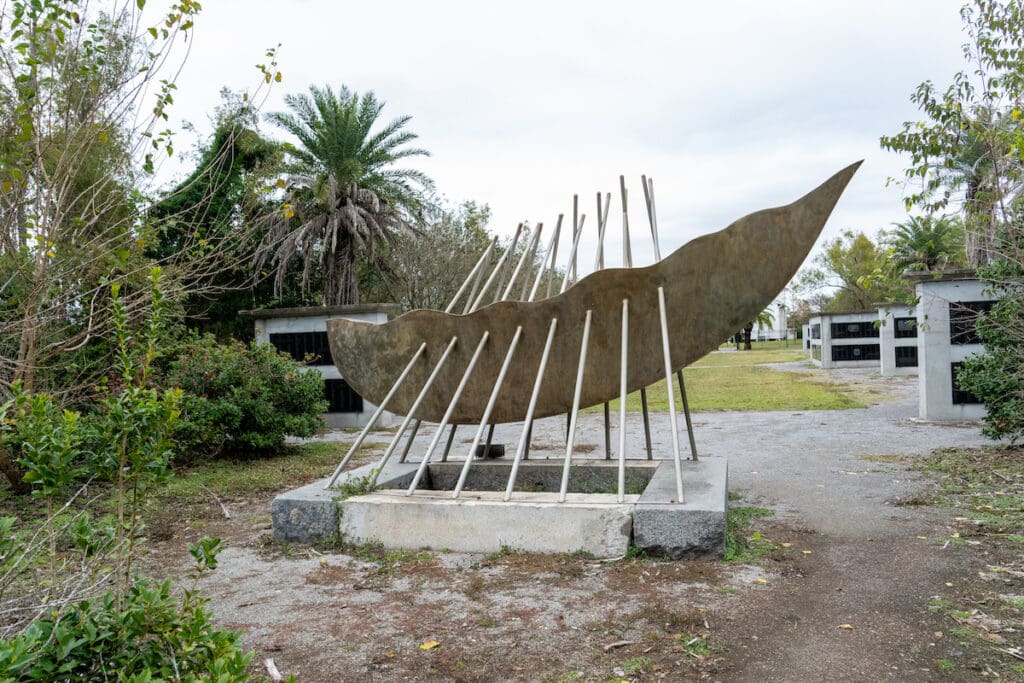
Some of the most powerful places at Whitney are its memorials to the enslaved people who lived and died there. The Field of Angels commemorates children under the age of three who lost their lives. It is a particularly emotional reminder of the youngest victims of slavery and the devastating conditions faced by enslaved families.
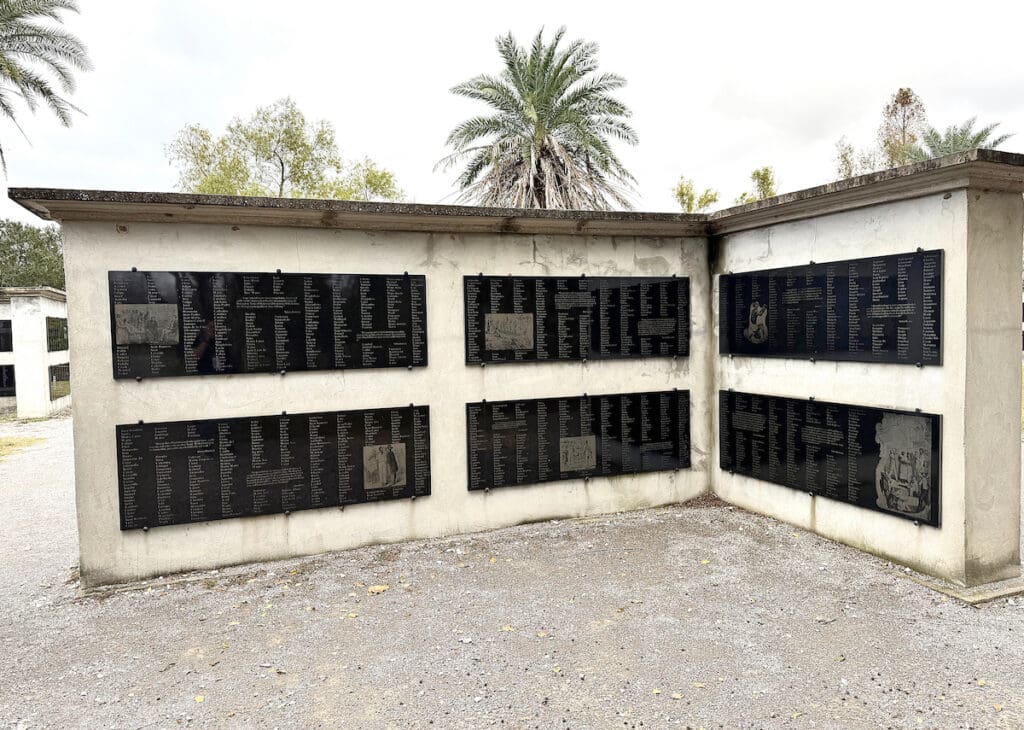
The Wall of Honor documents the names and narratives of more than 350 enslaved people connected to the plantation. Giving these individuals names and stories helps move the history beyond statistics and into something deeply personal.
Another memorial, the Sixty Ceramic Heads, preserves the memory of 95 enslaved people who were murdered after attempting to flee. Their heads were placed on spikes in New Orleans’ French Quarter as a public warning to others.
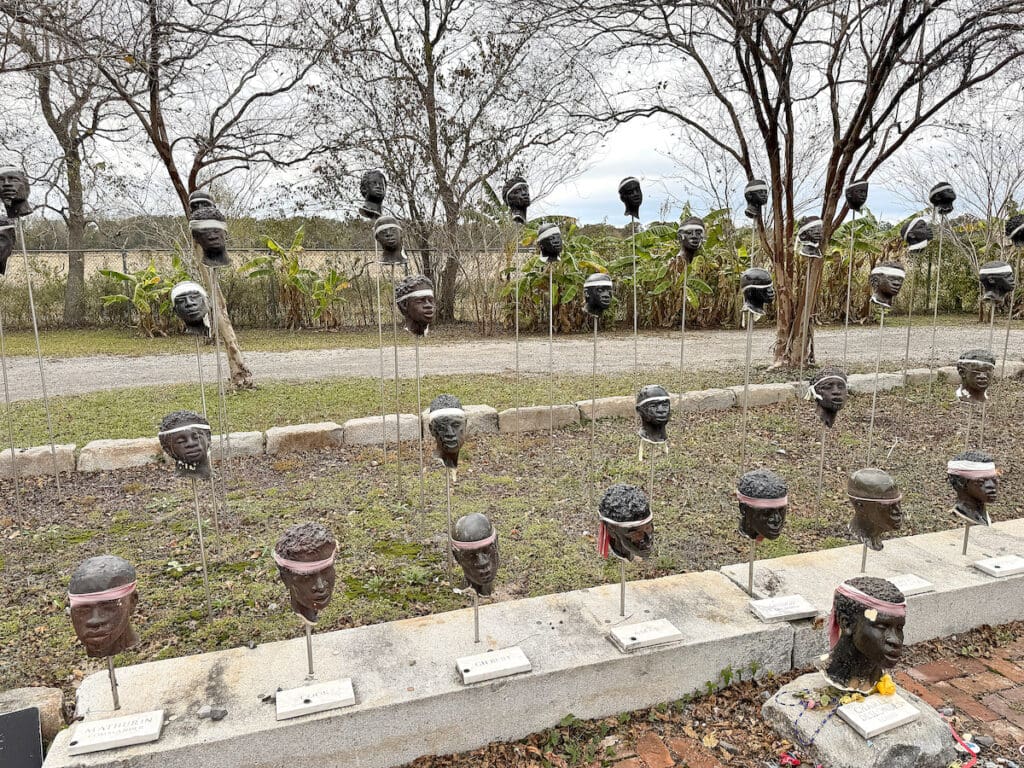
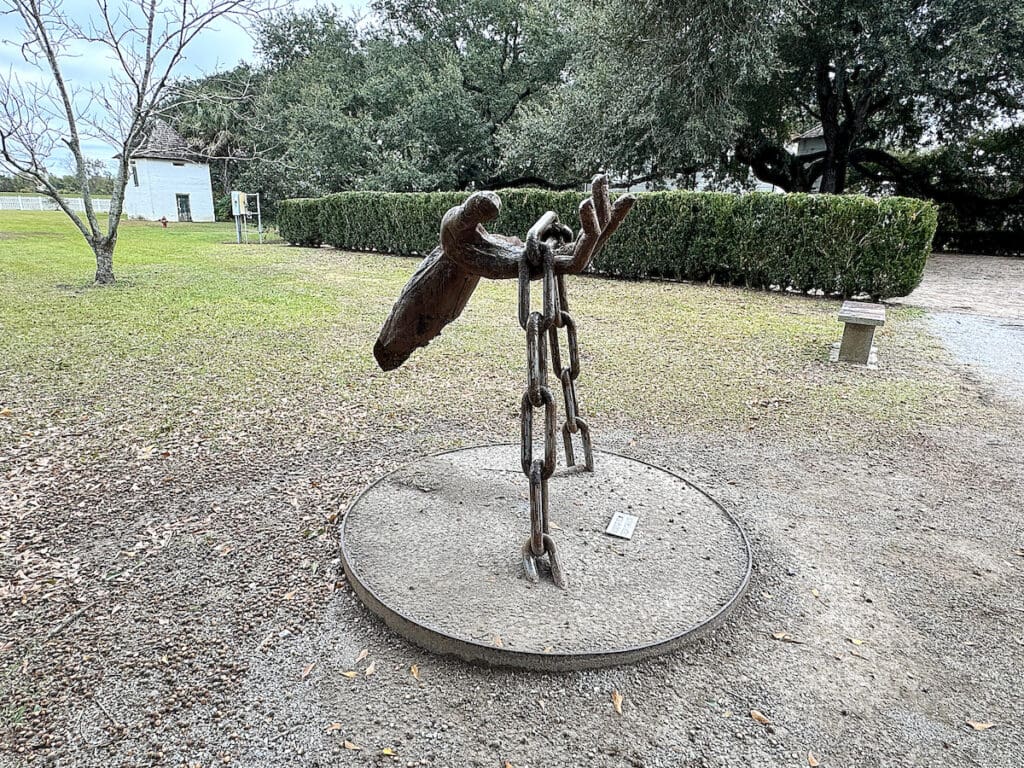
These memorials make Whitney more than a collection of historic buildings. They create spaces for visitors to remember people whose lives were deliberately stripped of freedom, dignity and, in many cases, even a recorded history.
An Honest and Powerful History Lesson
A visit to Whitney Plantation is not an easy experience, nor is it intended to be. The museum presents the history of slavery in Louisiana directly and honestly, without avoiding the violence and suffering that defined the lives of the people who were enslaved there.
For travelers interested in understanding Louisiana beyond its food, music and architecture, Whitney Plantation provides an important opportunity to confront a fundamental part of the state’s history.
It is an eye-opening experience and, in my opinion, an important place to visit. Whitney’s memorials, restored buildings and personal stories offer an opportunity not only to learn about slavery but also to remember the people whose lives were lived within that history.
Planning a Visit to Whitney Plantation
Whitney Plantation is open from 9:30 a.m. to 4:30 p.m., with the last entry at 3 p.m. The museum is closed on Tuesdays.
Visitors can choose between a self-guided audio tour and a guided experience with a historical interpreter. At the time of this visit, the self-guided audio tour was $25 for adults and $11 for children ages 6–18. Guided tours with a historical interpreter were $32 for adults and $15 for children.
Whitney Plantation is a place that asks visitors to slow down, listen and remember. It offers a difficult but important look at Louisiana’s past—and ensures that the stories of the people who endured slavery remain part of the conversation.