


Located at the corner of Beale Street and B.B. King Avenue, the Rock ’n’ Soul Museum offers an immersive look at the music and musicians who helped shape Memphis and American popular culture. Since opening in 2000, the museum has welcomed more than 1 million visitors and has become an important stop for anyone interested in the city’s rich musical heritage.
Through seven permanent exhibits, the museum traces the evolution of Memphis music from its rural roots to the international stars who eventually took the sounds of the South to stages around the world.
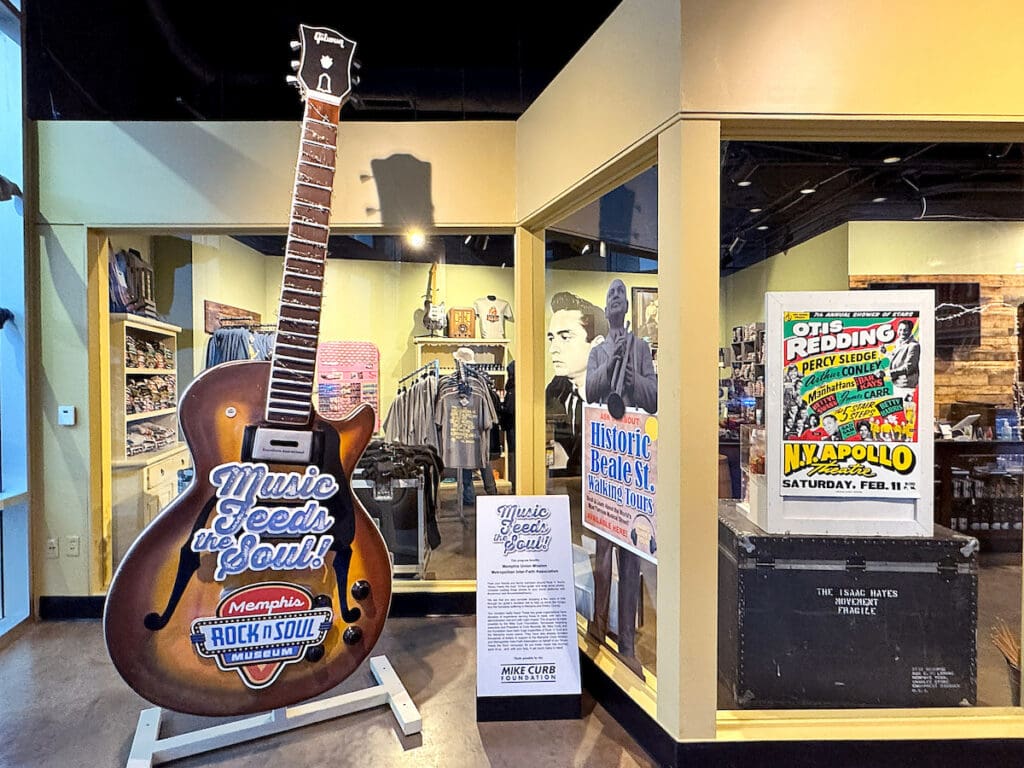
From Field Workers to Musical Pioneers
The museum begins with the birth of rock and soul, taking visitors back to the Mississippi Delta. Here, African Americans drew strength from faith, community and music while facing segregation and economic hardship.
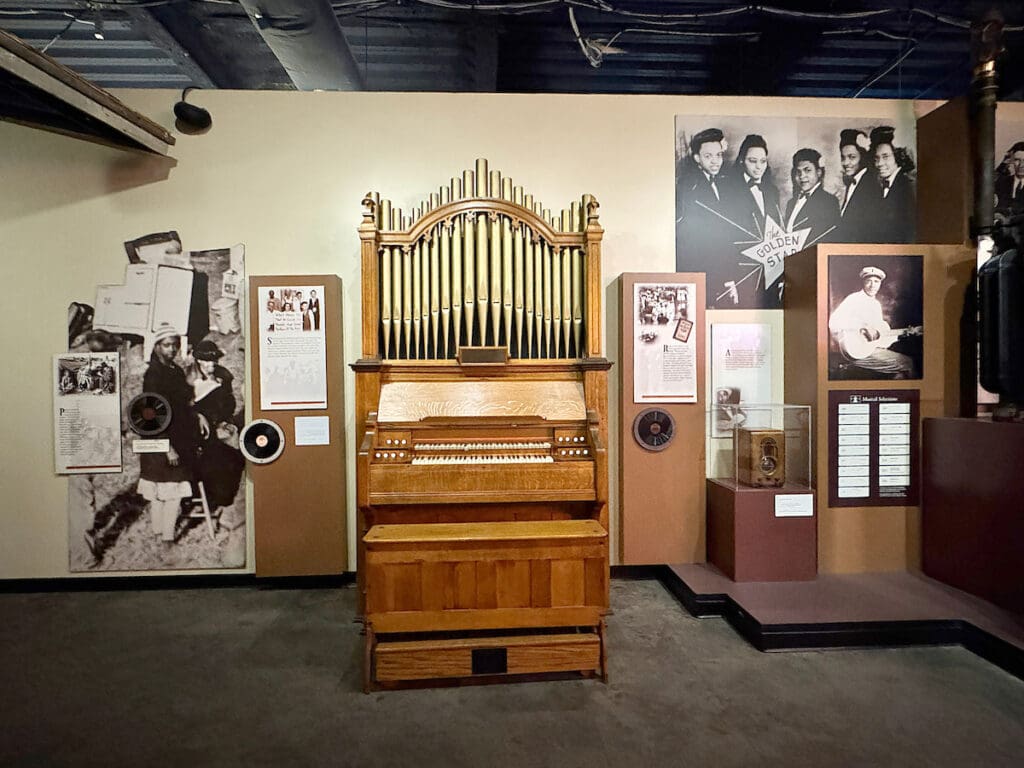
Those experiences helped lay the foundation for soul music and eventually sparked a musical revolution. The museum explores how music became a powerful form of expression, resilience and connection.
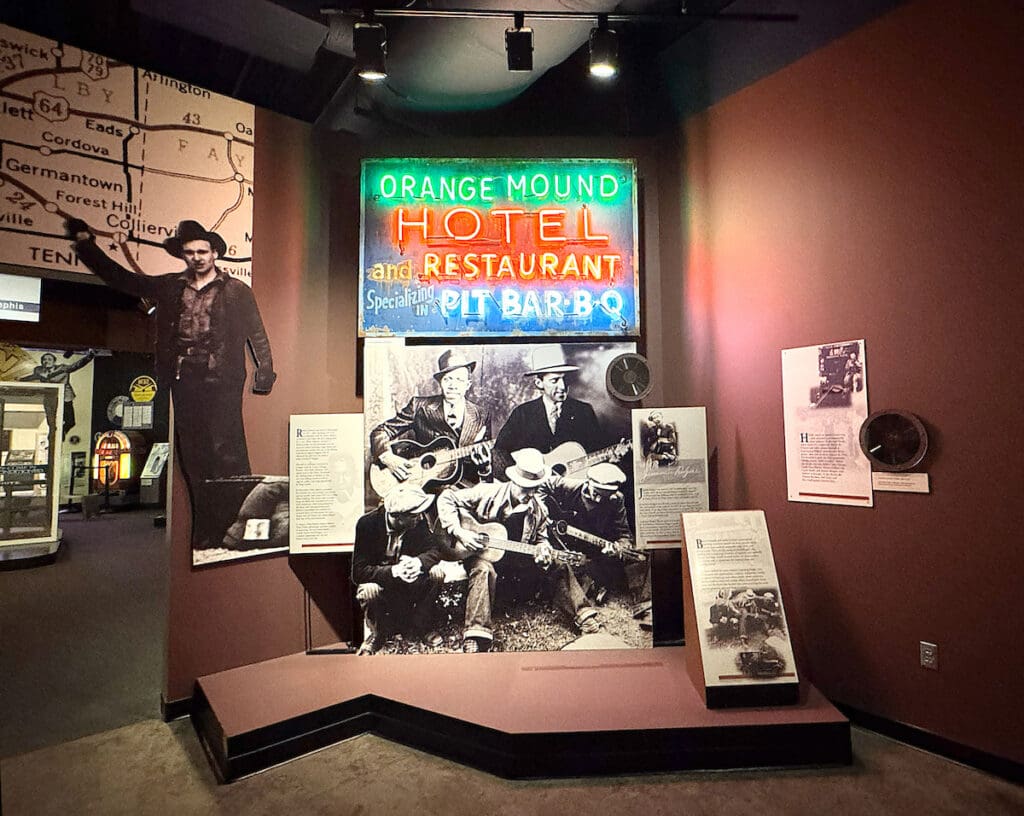
Visitors can see more than 30 musical instruments and 40 costumes belonging to some of the most influential pioneers in music history, bringing the stories behind the music to life.
The Blues Trail Leads to Memphis
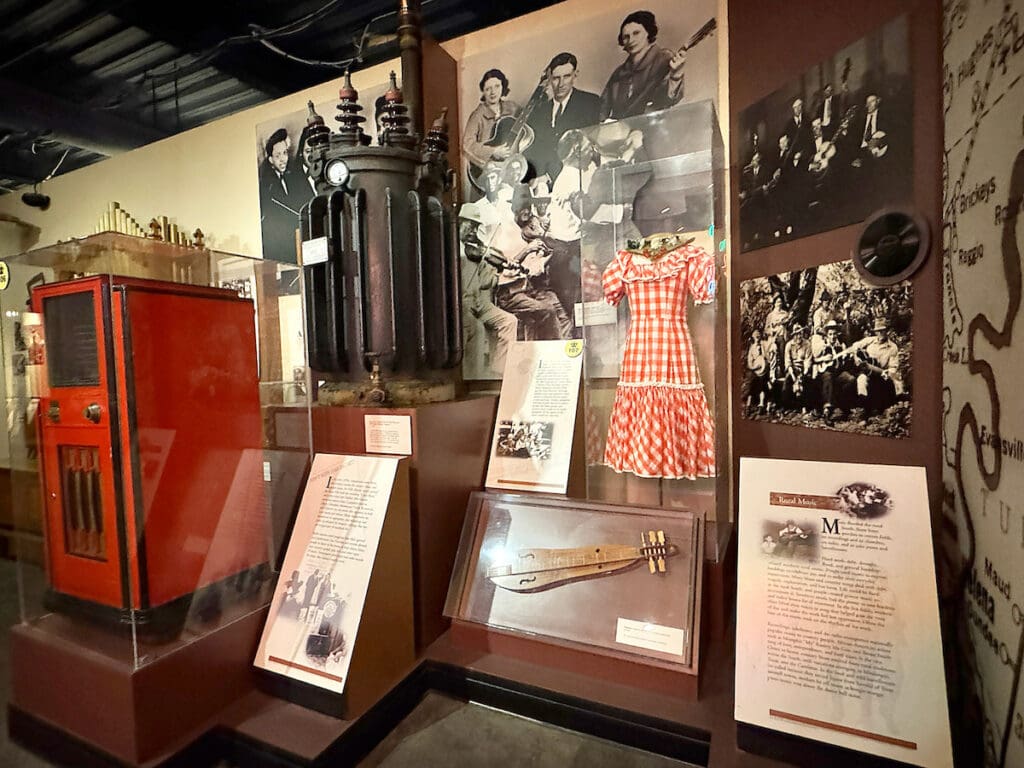
The next section explores the development of blues, country and gospel music throughout the Mississippi Delta. During this era, musicians increasingly created and recorded their own music, while radios and record players gave families new ways to experience the latest sounds.
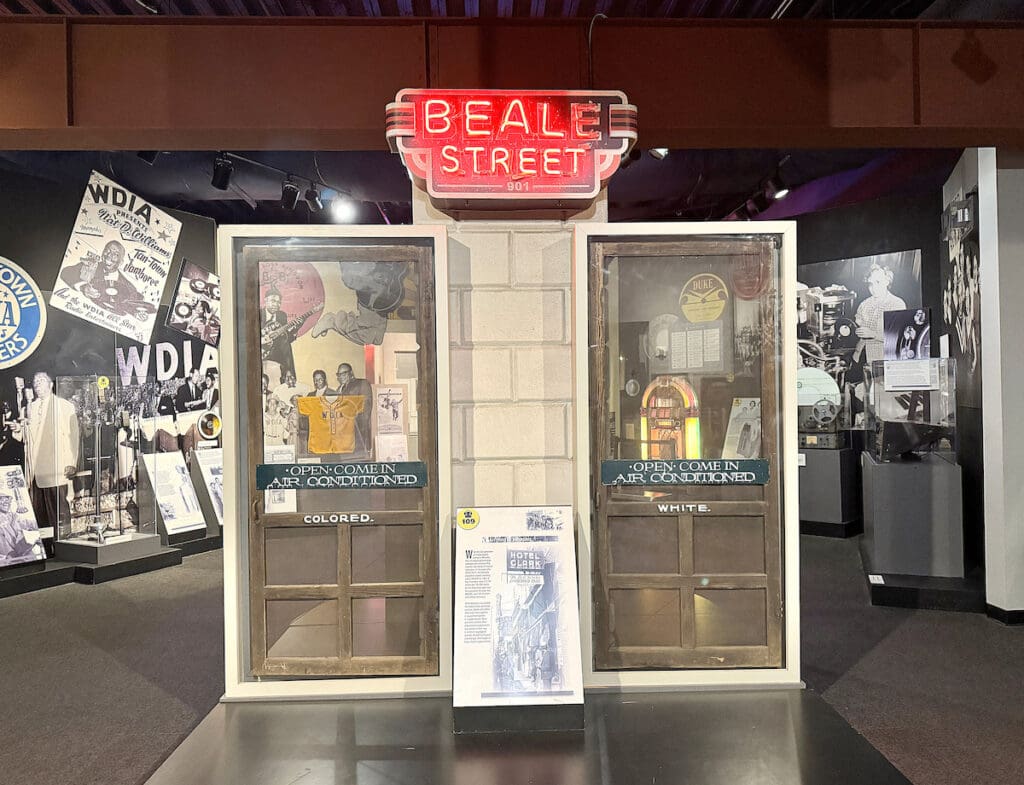
Music programs on the radio and vinyl records helped spread these emerging genres, while musicians carried the sounds north toward Memphis along what became known as the “Blues Trail.” The journey from the rural Delta to Memphis would ultimately help create one of the most important musical crossroads in the country.
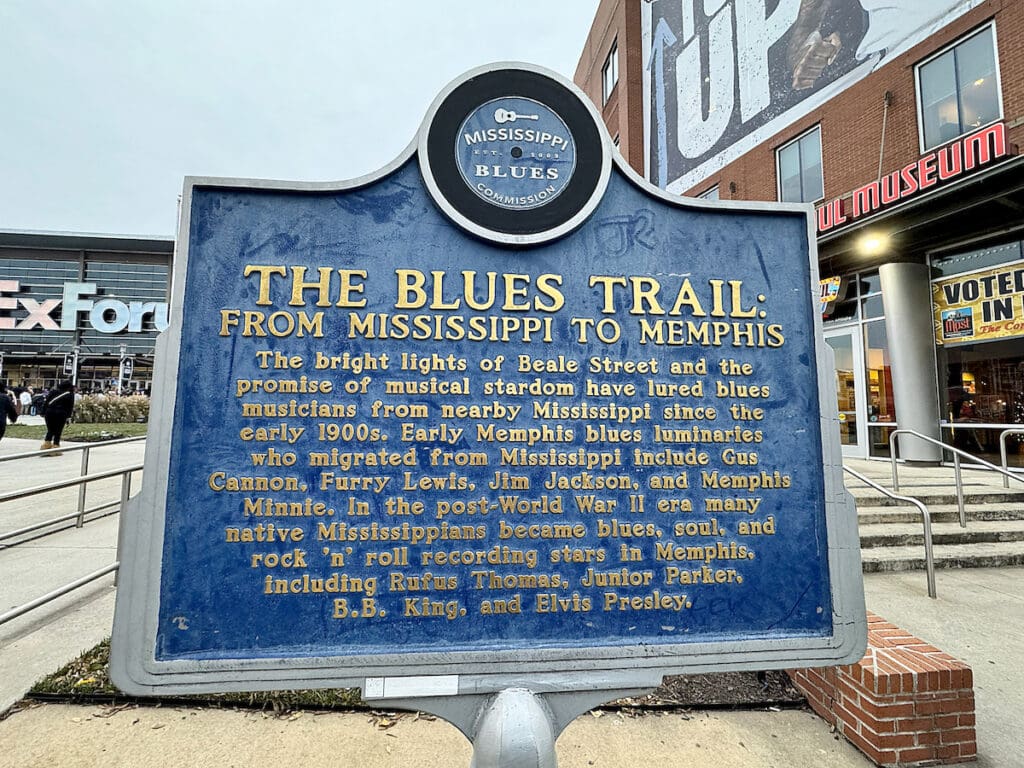
Memphis Becomes a Musical Melting Pot
As the story moves into 1950s Memphis, the city takes center stage. Music became a common language that could cross racial boundaries, bringing people together at juke joints, clubs and independent recording studios. These small venues and recording spaces helped fuel a musical revolution that would eventually change the world.
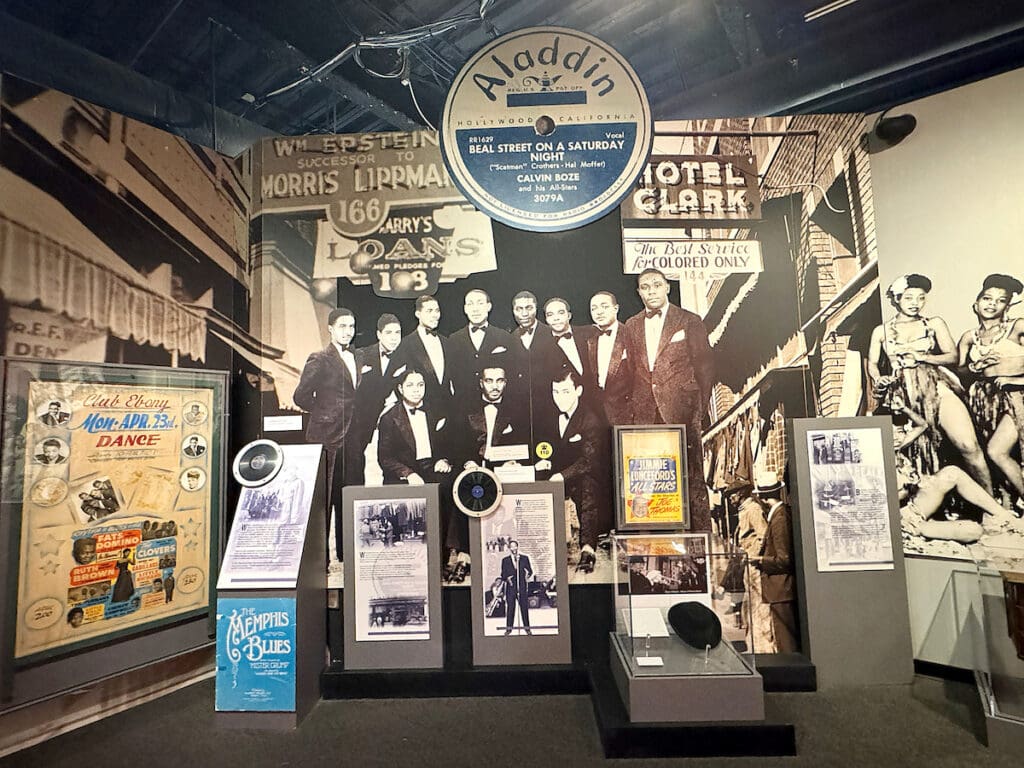
Old photographs, video footage and music clips immerse visitors in the energy of 1950s Memphis, offering a glimpse into the city as it became a breeding ground for new sounds.
Sun Records, Stax and the Birth of Rock ’n’ Roll
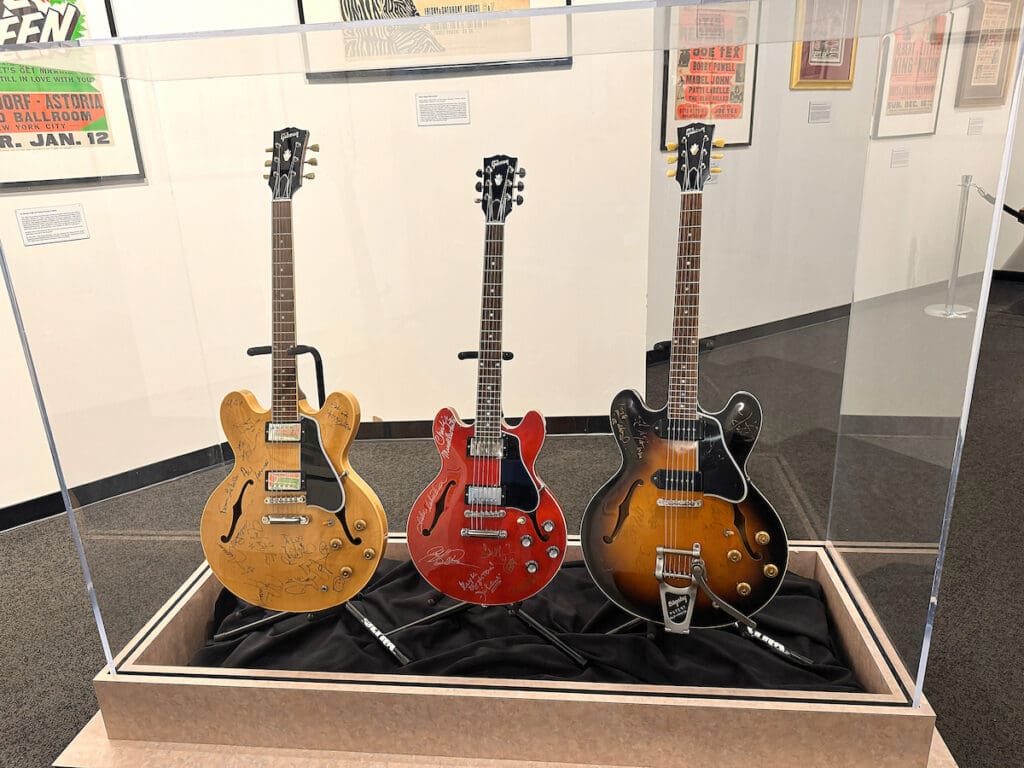
The museum also highlights the enormous influence of independent record labels, particularly Sun Records and Stax Records. These small studios played an outsized role in developing the sound and style of rock ’n’ roll and soul music.
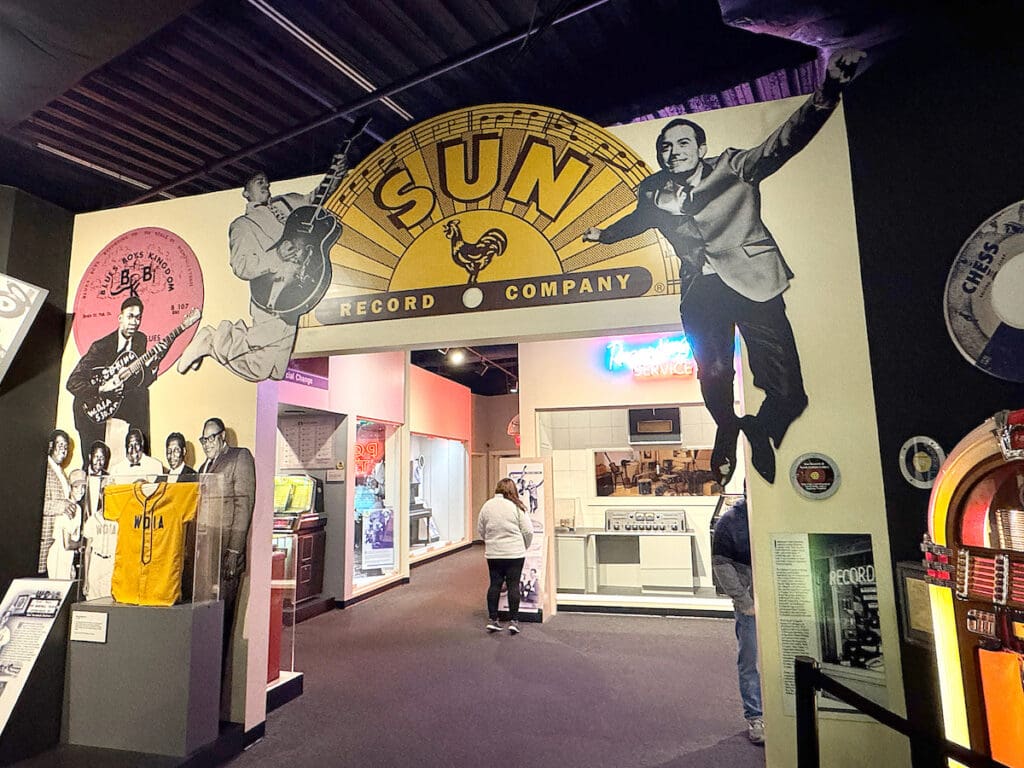
Visitors will encounter stories and memorabilia connected to legendary artists including Elvis Presley, Johnny Cash, Jerry Lee Lewis and Carl Perkins.
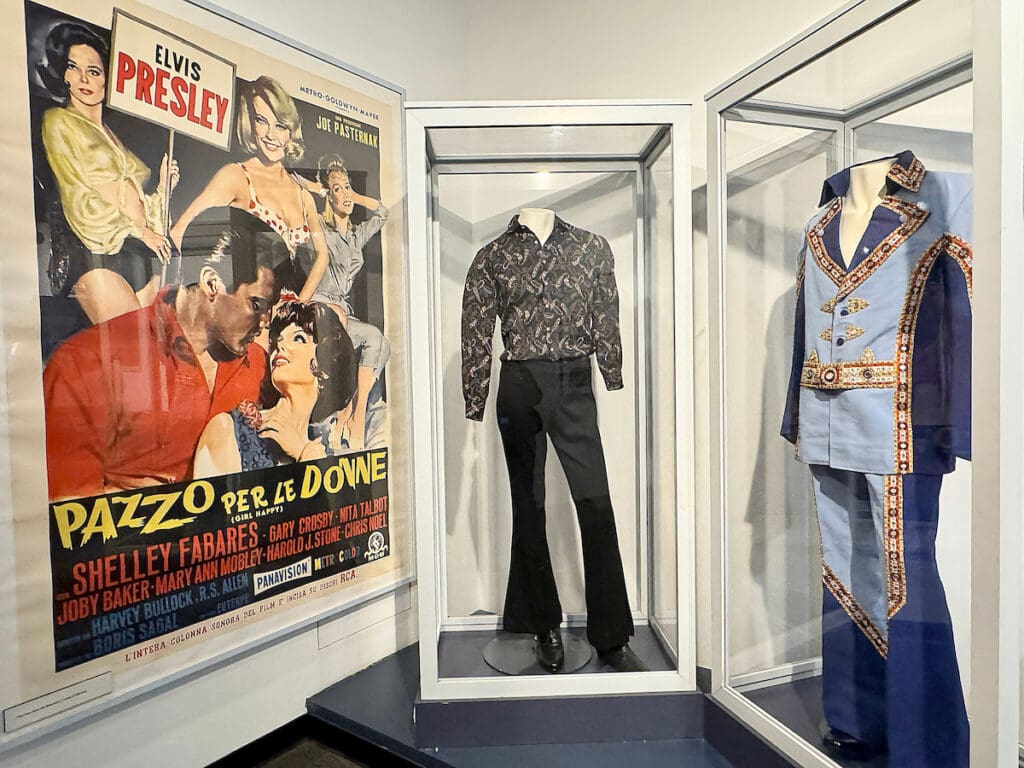
As the 1960s unfolded, rock and soul music took on an even greater cultural significance. The genres became powerful expressions of Black pride, cultural identity and self-expression, while Memphis continued to influence musicians far beyond Tennessee.
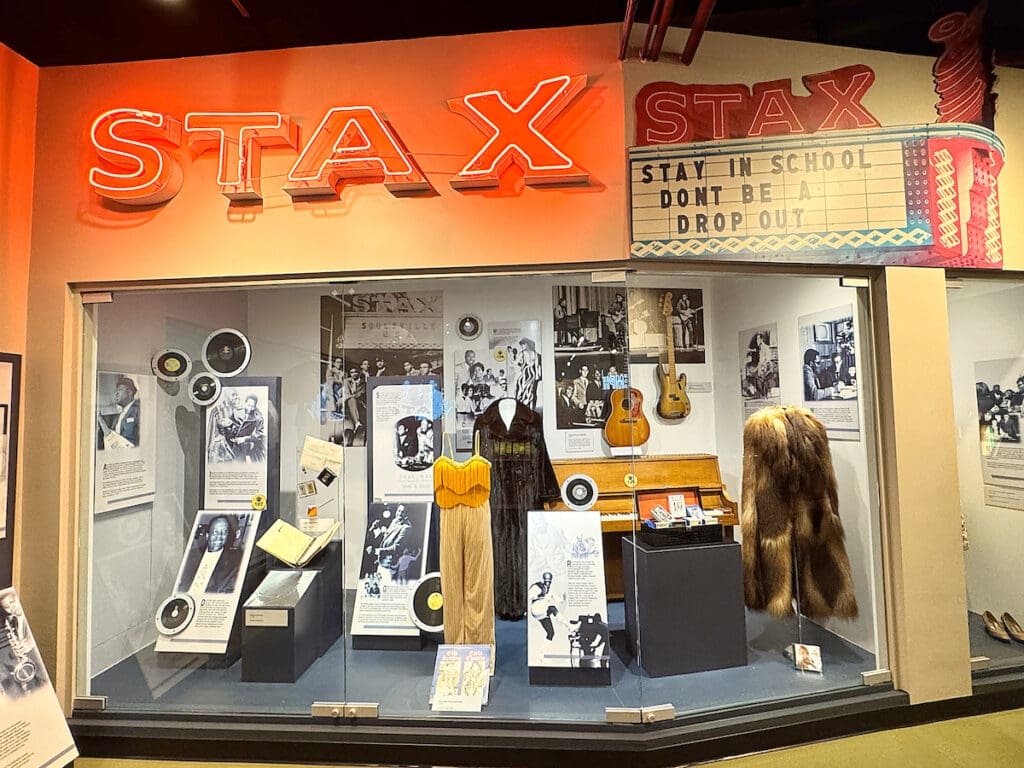
Take the Museum’s Audio Tour
Admission includes a headset featuring a digital audio tour designed to complement the museum’s exhibits. The tour includes approximately 300 minutes of historical information and more than 100 songs, allowing visitors to hear the music while learning about the people and cultural movements behind it.
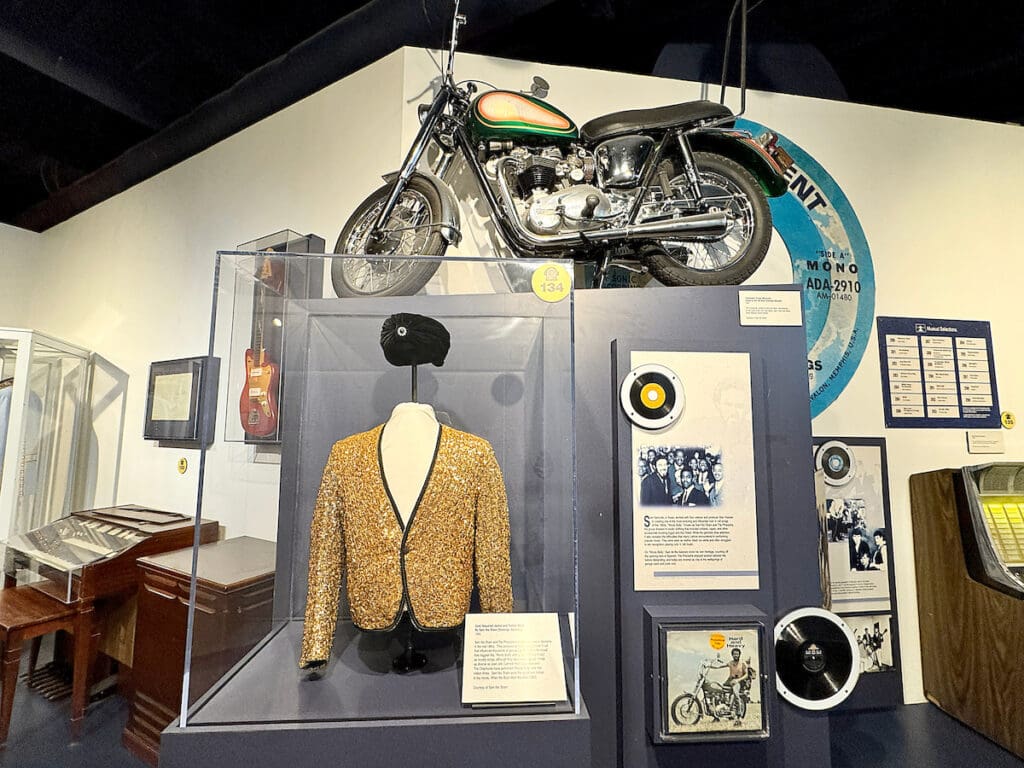
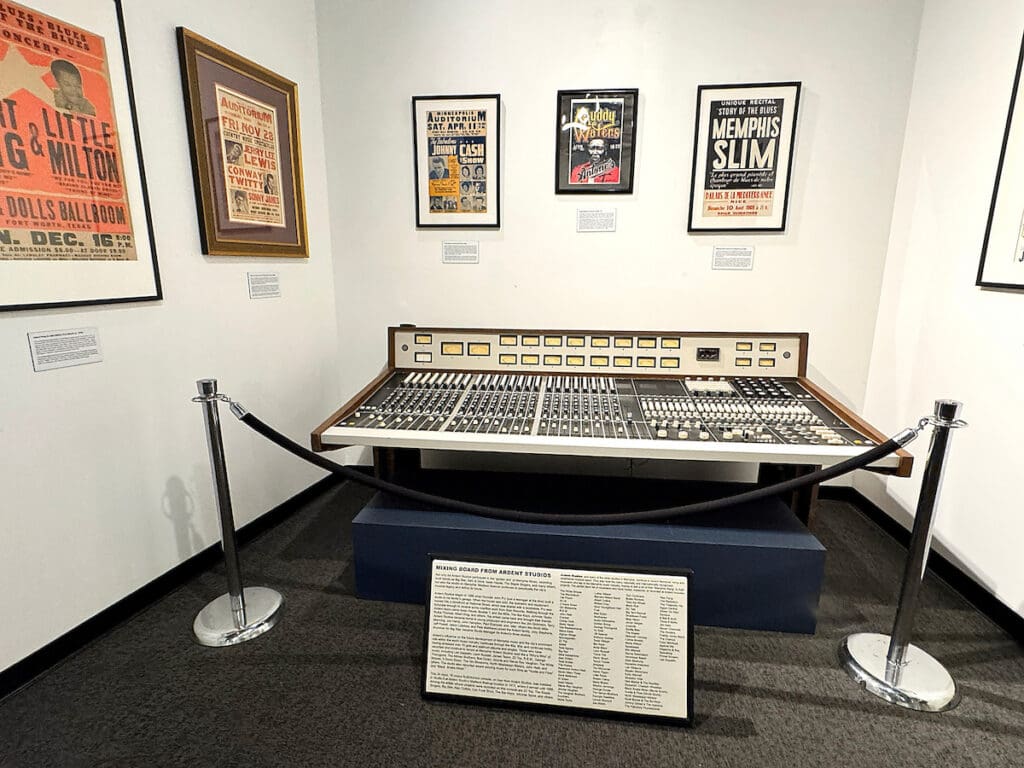
The combination of artifacts, photographs, costumes, instruments, music and storytelling makes the experience particularly engaging for music fans.
Planning Your Visit
The Rock ’n’ Soul Museum is open daily from 10 a.m. to 5 p.m., with final admission at 4:15 p.m. Admission is $16 for adults, $12 for children ages 5–7, and free for children 4 and under.
Combo tickets that include admission to the Memphis Music Hall of Fame Museum are also available for $21 per person.
Plan to spend approximately two to three hours exploring the museum and experiencing the audio tour.
For travelers looking to understand why Memphis has earned its reputation as a music city, the Rock ’n’ Soul Museum provides an engaging introduction to the sounds, artists and cultural forces that helped shape American music. From the Mississippi Delta to Beale Street and beyond, the museum demonstrates how rock and soul became much more than musical genres—they became part of the cultural identity of Memphis.